
The European Union has launched a new security-focused research initiative, allocating €8 million to develop robust architecture for future 6G smart networks. The project, known as ALLEGRO, brings together a consortium of 19 international partners—including academic institutions, industry leaders, and small-to-medium enterprises—to establish security standards before the technology reaches commercial maturity, according to official project documentation from the European Commission’s Digital Strategy portal.
As the successor to 5G, 6G is expected to integrate artificial intelligence, sub-terahertz communications, and advanced sensing capabilities. By addressing security vulnerabilities at the architectural level, the European Union aims to mitigate risks related to data privacy, network integrity, and hardware-level cyberattacks. This funding is part of the Smart Networks and Services Joint Undertaking (SNS JU), a public-private partnership tasked with fostering European leadership in next-generation connectivity.
Defining the 6G Security Architecture
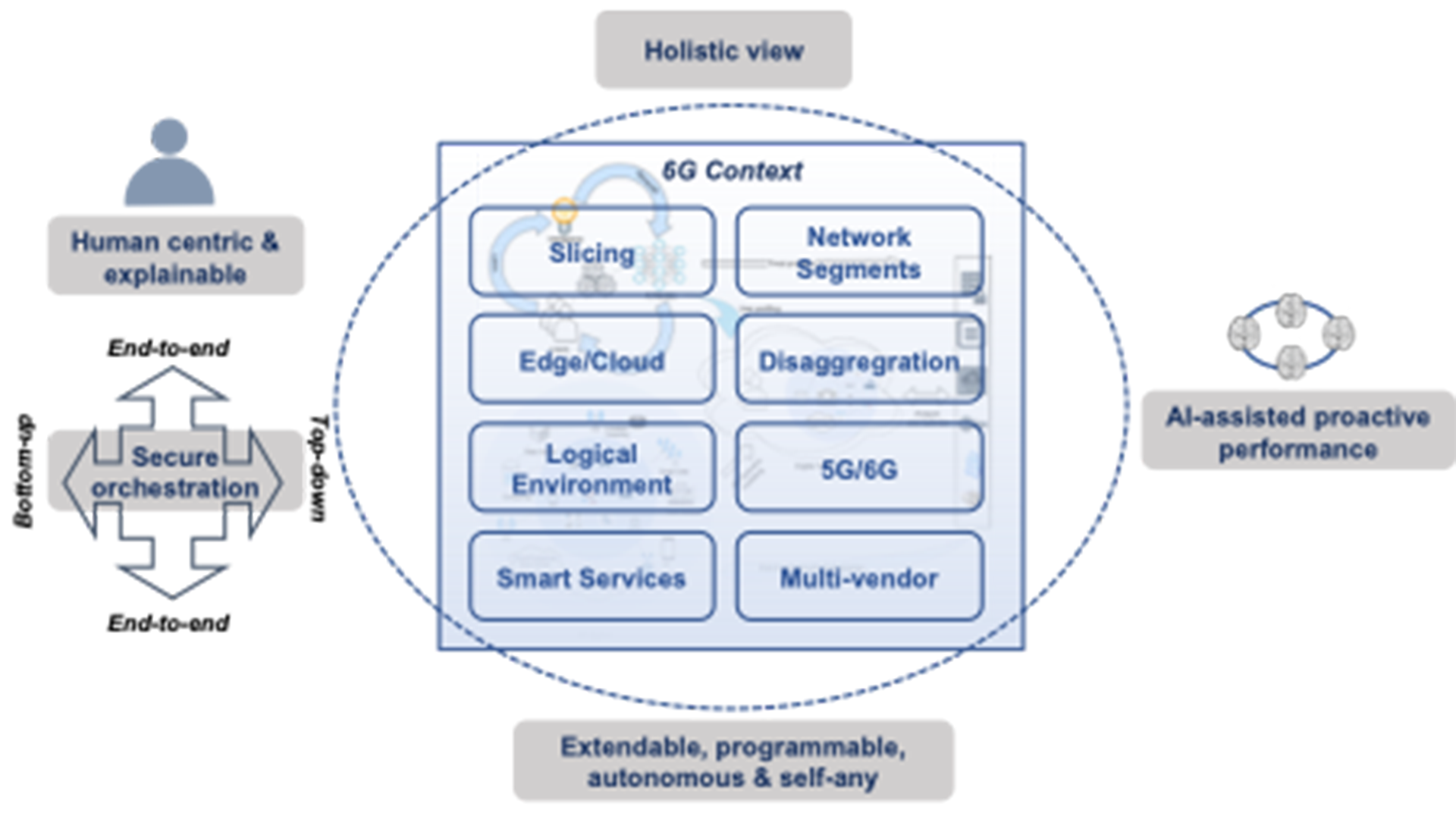
The primary objective of the ALLEGRO project is to create a “zero-trust” security framework for 6G networks. Unlike previous mobile generations, where security was often added as an overlay, 6G developers are attempting to embed encryption and authentication protocols into the network’s foundation. According to the SNS JU project roadmap, this approach is necessary to protect the massive influx of data expected from billions of connected “Internet of Everything” (IoE) devices.
The consortium plans to deliver a framework that supports “security-by-design,” which includes automated threat detection and rapid recovery mechanisms. Because 6G will rely heavily on software-defined networking (SDN) and virtualization, the researchers are focused on protecting these layers from unauthorized access. This research is critical for European strategic autonomy in the telecommunications sector, as the region seeks to reduce its dependence on non-EU hardware vendors for core network infrastructure.
Who is Involved in the Project?
The 19 partners involved in the initiative span multiple sectors to ensure that the proposed security measures are practical for both commercial and industrial applications. The group includes:
- Research universities providing theoretical models for secure signal processing.
- Telecommunications manufacturers developing the necessary hardware interfaces.
- Small and medium-sized enterprises (SMEs) specializing in cybersecurity software and encryption algorithms.
By involving SMEs alongside established industry giants, the European Commission aims to foster an ecosystem where security innovations can be scaled efficiently. The project is scheduled to run over a multi-year timeline, with periodic progress reviews conducted by the European Parliament’s Committee on Industry, Research and Energy to ensure the research aligns with the broader EU Digital Decade goals.
The Shift from 5G to 6G Security
While 5G networks introduced significant improvements in speed and latency, they also expanded the attack surface for potential bad actors. Cybersecurity experts note that 6G will likely be even more complex due to its reliance on non-terrestrial networks, such as satellite-to-ground links and high-altitude platforms. According to reports from the European Union Agency for Cybersecurity (ENISA), the integration of these diverse technologies requires a unified security posture that does not yet exist in current standards.
The ALLEGRO project serves as a proactive measure against these emerging threats. By standardizing security requirements early, the EU hopes to influence global 6G standards, ensuring that European-developed security protocols become the baseline for international network operators. This strategy mirrors previous efforts by the EU to set global benchmarks, such as the General Data Protection Regulation (GDPR) in the realm of consumer privacy.
What Happens Next for European Connectivity?
The project is currently in its initial research phase, with the consortium focusing on identifying key threat vectors within the proposed 6G architecture. Stakeholders can expect the first set of technical white papers and security recommendations to be released following the completion of the project’s primary milestones, which are tracked via the CORDIS research database.
Future updates regarding the project’s findings will be published through the SNS JU official channels. As the technology moves toward a projected commercial rollout in the 2030 timeframe, researchers will continue to refine these security protocols to keep pace with evolving cyber threats. For those interested in the technical progression of these standards, the European Commission encourages participation in public consultations and industry workshops held throughout the year. We invite our readers to share their thoughts on the balance between advanced connectivity and network security in the comments section below.