ICE’s $70 Billion Funding Boost Fuels Fears of Paramilitary Expansion and Election Interference
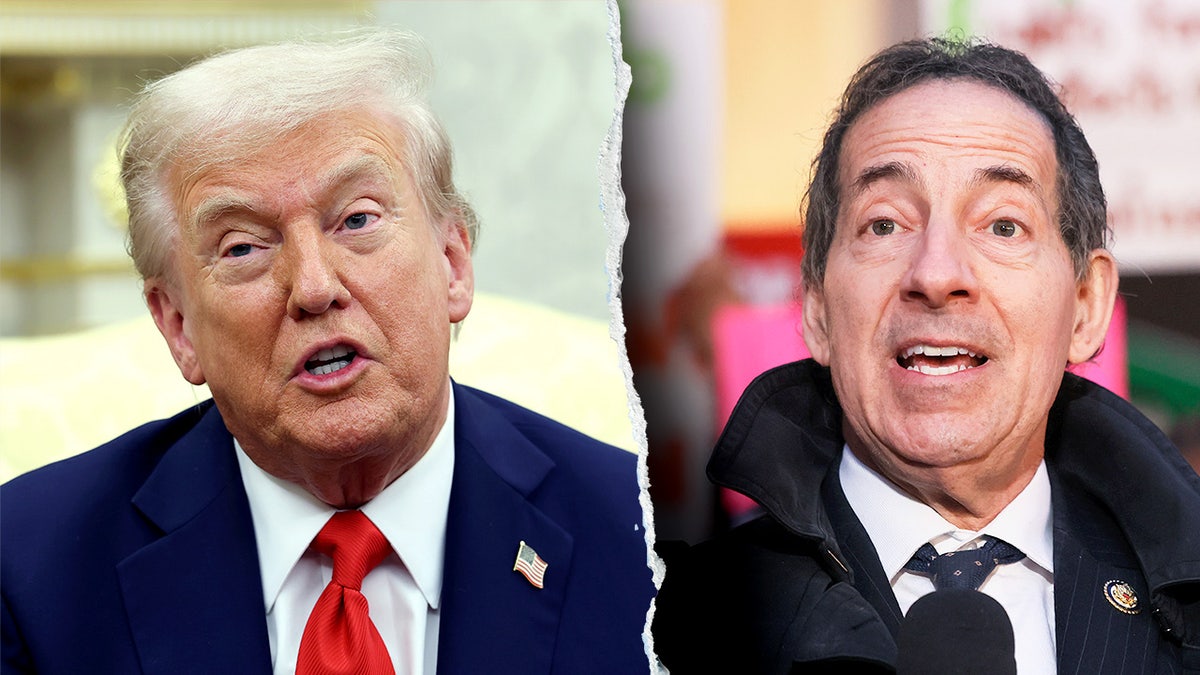
U.S. Immigration and Customs Enforcement (ICE) is operating with unprecedented funding—$70 billion approved in the latest reconciliation bill—without clear public accounting, raising concerns among lawmakers that the agency is being transformed into a secretive paramilitary force under the Trump administration. Democratic Congressman Jamie Raskin, a member of the House Oversight Committee, warns that the funding is being used to create an “inside version” of the Trump regime’s paramilitary structure, mirroring the $1.8 billion slush fund allocated to fund extremist groups tied to the January 6 Capitol riot.
According to Raskin, ICE’s expanded budget and operational tactics—including the detention and deaths of American citizens like Renee Goode and Alex Pretty—align with historical patterns of authoritarian regimes building internal police forces. The lack of transparency around the funding, combined with ICE’s growing detention deaths and reports of militarized operations, has led critics to question whether the agency is being repurposed for political ends rather than immigration enforcement.
The Trump administration has faced mounting scrutiny over its handling of ICE, with lawmakers and civil rights groups pointing to a pattern of detention abuses, rising deaths in custody, and unexplained budget allocations. As the midterm elections approach, concerns are growing that ICE’s expanded powers could be used to influence voter suppression efforts, particularly in swing states.
Key Concerns About ICE’s Funding and Operations
- $70 billion allocated to ICE and Customs and Border Protection (CBP) in the latest reconciliation bill, with no detailed public accounting of how the funds will be spent (H.R. 3746).
- ICE has been accused of operating as a paramilitary force, with reports of militarized raids and deaths in detention, including American citizens (NPR).
- Lawmakers warn the funding could be used to interfere with elections, including through voter suppression tactics and targeting civil rights organizations (The Guardian).
- Historical comparisons to authoritarian regimes building internal police forces, with critics citing ICE’s lack of transparency and expanded detention powers (Brookings Institution).
- Civil rights groups, including the NAACP Legal Defense Fund and ACLU, are challenging ICE’s actions in court, arguing they violate constitutional protections (ACLU).
Why Lawmakers Are Calling ICE a ‘Secret Paramilitary Police Force’
Congressman Raskin, who played a key role in investigating the January 6 Capitol riot, has long warned about the Trump administration’s efforts to weaponize federal agencies for political purposes. In recent interviews, he drew parallels between ICE’s expanded funding and the historical tactics of authoritarian regimes, which often create internal security forces to suppress dissent and consolidate power.

“If you talk to historians of fascism, they will tell you that what authoritarians do is build up a paramilitary force within the government,” Raskin stated. “That’s the meaning of this $1.8 billion political slush fund meant for the extreme right political foot soldiers who attacked our police officers on January 6th. But ICE is acting like a paramilitary secret police force reporting to the president of the United States.”
Raskin’s concerns are not without precedent. ICE has faced repeated criticism for its detention practices, including allegations of unconstitutional conditions, medical neglect, and rising death tolls. According to the Department of Homeland Security’s 2022 Yearbook of Immigration Statistics, ICE reported 42 deaths in custody in 2022, a figure that has drawn condemnation from medical and human rights organizations.
Raskin specifically cited the deaths of Renee Goode, a 49-year-old woman who died in ICE custody in 2020, and Alex Pretty, a 37-year-old British citizen who died in 2021. Both cases remain under investigation, with families and advocates demanding accountability. “We cannot use the immigration crisis the Republicans have created as the excuse for them to set up a paramilitary police force inside our government,” Raskin emphasized.
How the $70 Billion Funding Raises Alarm Bells
The $70 billion allocated to ICE and CBP in the latest reconciliation bill—H.R. 3746—has drawn sharp criticism for its lack of transparency. While the bill includes funding for border security, lawmakers have struggled to obtain clear explanations of how the money will be spent, particularly given ICE’s existing budget surplus.
“They gave ICE and CBP $70 billion with no explanation,” Raskin noted. “Why do they need $70 billion when they still have billions in the bank? The answer is simple: they’re building a paramilitary force.”
Critics argue that the funding could be used to expand ICE’s detention capacity, increase surveillance, and enhance enforcement powers in ways that could disproportionately target marginalized communities. The ACLU has warned that such expansions could be used to suppress voter turnout, particularly in communities of color.
Raskin pointed to ongoing legal battles over ICE’s tactics, including challenges to ballot audits in key swing states like Michigan and Georgia. “Every day, we’ve got lawyers all over America from the NAACP Legal Defense Fund, ACLU, and Mark Elias fighting these operations, which are attempts to steal the election,” he said, referring to election integrity lawyer Mark Elias, who has been at the forefront of legal challenges to voter suppression efforts.
Historical Parallels: ICE as a Tool of Political Control
Raskin’s warnings about ICE’s potential transformation into a political enforcement tool echo concerns raised by scholars and historians studying authoritarian regimes. The Brookings Institution has highlighted how ICE’s structure and operations increasingly resemble those of internal security agencies in countries with histories of political repression.
“The pattern is clear: when governments seek to consolidate power, they often rely on internal security forces that operate outside the rule of law,” said Dr. Sarah Kreps, a professor of government at Cornell University and author of Armed and Dangerous: The Politics of Guns in America. “ICE’s expanded funding and lack of oversight create the conditions for such a shift.”
Raskin also drew attention to the Trump administration’s broader efforts to undermine democratic institutions, including attacks on the freedom of the press and civil society organizations. The Southern Poverty Law Center (SPLC), a group that monitors hate groups and extremism, has been targeted by the Department of Justice under the Trump administration, with officials accusing it of fraudulently soliciting donations—a claim the SPLC vehemently denies.
“They’re trying to bring down the Southern Poverty Law Center, which is our major group fighting the Ku Klux Klan and the neo-Nazi right,” Raskin said. “That’s who they’re going after—the organizations that stand between extremists and our communities.”
What Happens Next: Legal Battles and Midterm Election Concerns
As the midterm elections approach, lawmakers and civil rights groups are bracing for potential ICE-led voter suppression efforts. Raskin warned that the agency’s expanded powers could be used to target voters, particularly in states with large immigrant populations. “They’re not going to try and steal the election in one fell swoop,” he said. “They’re trying to steal it every day through voter suppression mechanisms.”

Legal challenges are already underway. The ACLU and NAACP Legal Defense Fund have filed lawsuits against ICE’s detention policies, arguing they violate the Fourth Amendment and Fifth Amendment protections. Meanwhile, Congress is considering additional legislation to restrict ICE’s powers and increase oversight.
The next critical checkpoint will be the House Oversight Committee’s upcoming hearings on ICE’s funding and operations, scheduled for June 2023. Lawmakers plan to grill ICE officials on the allocation of the $70 billion and demand transparency into the agency’s detention practices. Raskin has indicated he will push for legislation to block funding for what he describes as “unconstitutional and dangerous” operations.
Who Is Affected—and How Can They Fight Back?
ICE’s expanded powers disproportionately impact immigrant communities, people of color, and low-income Americans. Advocates urge affected groups to:
- Know their rights: ICE detentions must follow legal procedures, and individuals have protections under U.S. law (ACLU Know Your Rights).
- Document abuses: Report suspicious activity to organizations like the SPLC or ACLU.
- Stay informed: Follow updates from DHS and ICE’s official reports.
- Vote and advocate: Midterm elections will determine which lawmakers push for ICE reform. Groups like Voto Latino are mobilizing voters in immigrant communities.
Raskin concluded by emphasizing the importance of civil society resistance. “The victims and the targets of government oppression have got to strike the first blow against this onslaught,” he said. “We’ve got to hear from the people who are being hurt—the millions being thrown off Medicaid, the journalists facing crackdowns, the survivors of sexual violence. Their voices are the ones that will stop this.”
What to Watch: Upcoming Hearings and Legal Battles
The next major developments in this story will include:
- House Oversight Committee hearings on ICE funding and operations, scheduled for June 2023. Lawmakers will demand answers on how the $70 billion will be spent and whether ICE is being used for political purposes.
- Legal challenges to ICE’s detention policies, with rulings expected in the coming months from federal courts in Michigan, Georgia, and Texas.
- Midterm election preparations, with civil rights groups monitoring ICE activities in swing states for signs of voter suppression.
- Legislative action on bills to restrict ICE’s powers, including potential votes in Congress on H.R. 3746 and related measures.
For readers seeking official updates, the following resources provide real-time information:
- U.S. Immigration and Customs Enforcement (ICE) Official Website
- DHS Immigration Statistics
- House Oversight Committee
- ACLU Immigration Rights
- NAACP Legal Defense Fund
This story is evolving rapidly. If you have information about ICE’s operations or potential election interference, contact our investigative team. For legal assistance, reach out to the ACLU or NAACP Legal Defense Fund.
Share this article to raise awareness about ICE’s expanding powers and how they may impact the midterm elections. Your voice matters in holding authorities accountable.
Keep reading