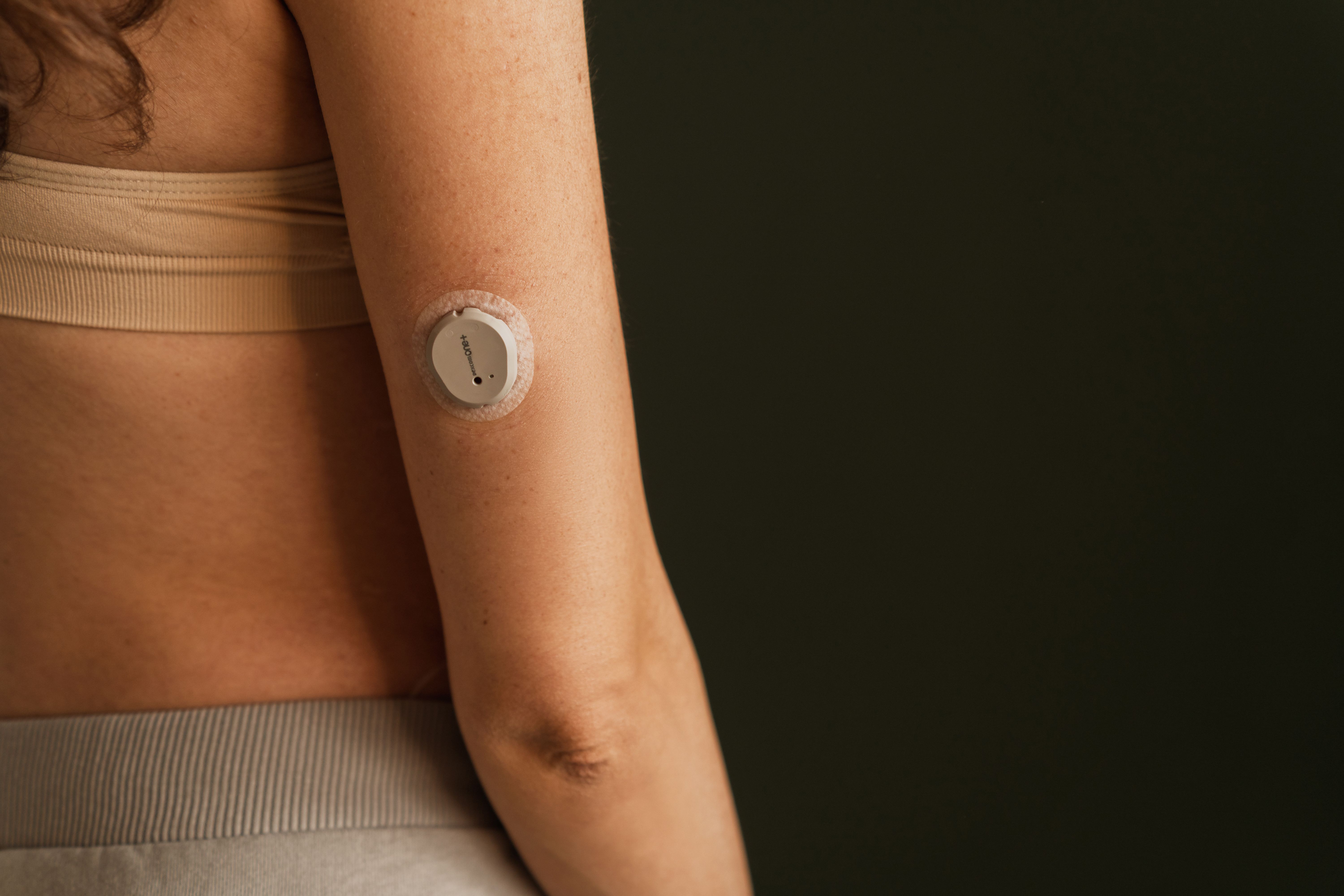
Continuous glucose monitoring (CGM) has become an increasingly popular tool for managing both diabetes and overall health. It offers a dynamic view of your glucose levels, moving beyond conventional finger-prick testing. Here’s a thorough look at how CGM works and its benefits.
What is Continuous Glucose Monitoring?
Traditionally, people with diabetes have relied on self-monitoring blood glucose (SMBG) using a finger prick and a glucose meter. However, CGM provides glucose readings every few minutes throughout the day and night.This constant stream of data offers a much more complete picture of your glucose trends.
How Does CGM Work?
A small sensor is inserted under your skin, typically in the abdomen or arm. This sensor measures glucose levels in the interstitial fluid - the fluid surrounding your cells. The sensor transmits this data wirelessly to a receiver, which can be a dedicated device, a smartphone, or an insulin pump.
Benefits of Using a CGM
Several advantages make CGM a valuable tool for many individuals.
* Real-time Glucose Data: You can see your glucose levels in real-time, allowing you to make informed decisions about food, exercise, and medication.
* trend Arrows: These indicate the direction and speed of your glucose changes, helping you anticipate highs and lows.
* Alerts and Alarms: CGMs can be programmed to alert you when your glucose levels are too high or too low.
* Improved HbA1c: Consistent CGM use has been shown to lower HbA1c levels, a measure of long-term blood sugar control.
* Personalized Insights: The data collected can help you understand how different factors affect your glucose levels.
Who Can Benefit from CGM?
While initially designed for people with type 1 diabetes,CGM is now beneficial for a wider range of individuals.
* Individuals with type 1 or Type 2 Diabetes: CGM can help optimize insulin dosing and improve glucose control.
* People Without Diabetes: Increasingly, individuals interested in optimizing their health and performance are using CGM to understand how food and lifestyle choices impact their glucose levels. I’ve found that many athletes use CGM to fine-tune their nutrition for peak performance.
* Pregnant Women with Diabetes: Maintaining stable glucose levels is crucial during pregnancy, and CGM can provide valuable support.
Understanding Your CGM Data
Learning to interpret your CGM data is key to maximizing its benefits. Pay attention to:
* Glucose Trends: Are your levels consistently rising, falling, or staying stable?
* Time in range: This refers to the percentage of time your glucose levels are within your target range.
* Glucose Variability: Large swings in glucose levels can indicate a need for adjustments to your management plan.
* Patterns: Identify how specific foods, activities, or stressors affect your glucose levels.
CGM and Lifestyle
integrating CGM into your daily routine is relatively seamless. Here’s what works best:
* Regular Calibration: some CGMs require periodic calibration with a finger-prick blood glucose test.
* Sensor Changes: Sensors typically need to be replaced every 7-14 days, depending on the device.
* Data Review: Regularly review your CGM data with your healthcare provider to make informed decisions about your care.
* Combine with Healthy habits: CGM is most effective when combined with a balanced diet,regular exercise,and stress management techniques.
Ultimately,continuous glucose monitoring empowers you to take control of your health. By providing a wealth of data and personalized insights, it can help you achieve optimal glucose control and improve your overall well-being.
Related reading