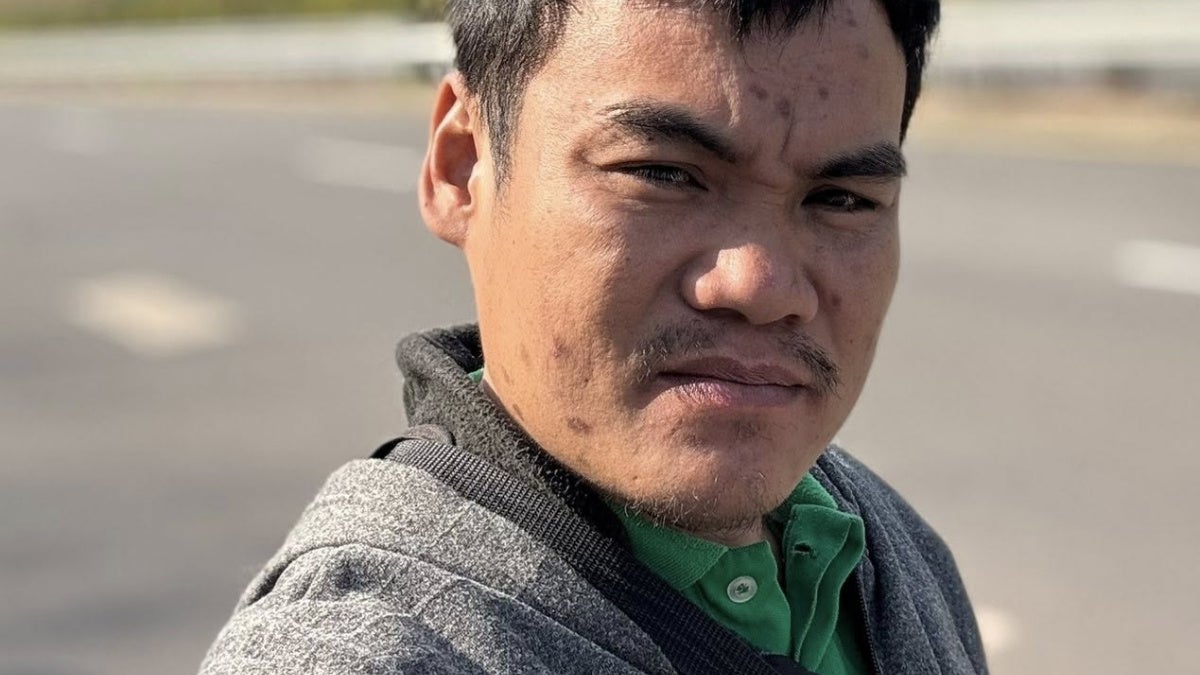
Vientiane, Laos – Concerns are mounting over the lack of transparency and accountability surrounding the death of Sisay Luangmonda, a prominent Lao social media commentator known as Bao Mor Khaen, whose body was discovered on February 20, 2026, in Hadxayfong district, outside the capital. The case has drawn condemnation from international human rights organizations, who are calling for an urgent and impartial investigation into the circumstances of his death. This incident underscores a troubling pattern of suppression of dissent and a climate of fear within Laos, where criticism of the ruling Lao People’s Revolutionary Party often carries significant risk.
Luangmonda, 32, had been missing since February 14, 2026, after, according to reports from the Manushya Foundation, he was arrested by soldiers near Vientiane and taken to Phonthan Prison. His family reported his disappearance to local authorities days before his body was found. The lack of information provided by Lao authorities regarding his whereabouts during those four days has fueled suspicions of foul play and raised serious questions about due process. The case highlights the vulnerability of activists and critics within Laos, where freedom of expression remains severely restricted.
The death of Bao Mor Khaen is not an isolated incident. Laos has a long history of suppressing political dissent, with numerous reports of enforced disappearances, arbitrary arrests, and extrajudicial killings. The government, which has been in power since 1975, operates under a one-party, authoritarian system, limiting political freedoms and stifling independent voices. This latest case adds to a growing list of unresolved attacks on individuals who have dared to challenge the status quo, creating a chilling effect on those who might otherwise speak out against corruption and mismanagement.
A Pattern of Disappearances and Unresolved Violence
The disappearance and subsequent death of Sisay Luangmonda echo previous cases that have plagued Laos for years. In December 2012, Sombath Somphone, a respected community development worker, was forcibly disappeared after being detained by police in Vientiane. Despite international pressure, his fate remains unknown, and no one has been held accountable. More recently, in April 2023, Anousa Luangsuphom, an activist and vocal critic of the government, was seriously wounded in a shooting in Vientiane. And in February 2024, Saysomphone Chilikham, a member of the Alliance For Democracy in Laos, was also forcibly disappeared. None of these attacks have resulted in arrests or convictions, fostering a sense of impunity for those responsible.
The international legal definition of enforced disappearance, as outlined by international law, involves the detention of an individual by state agents followed by a refusal to acknowledge the detention or reveal the person’s fate. This practice is considered a grave violation of human rights, causing immense suffering to victims and their families. Laos signed the International Convention for the Protection of All Persons from Enforced Disappearance in September 2008, but has yet to ratify it, signaling a lack of commitment to addressing this critical issue.
Threats and a Climate of Fear
Prior to his disappearance, Sisay Luangmonda, through his online persona Bao Mor Khaen, had reportedly received death threats stemming from his critical commentary on social media. He frequently used his platform to address issues of corruption and mismanagement within the Lao government. This suggests that his activism made him a target, and raises concerns that his death may have been a direct result of his outspoken views. The Manushya Foundation has documented a pattern of online harassment and intimidation targeting individuals who express dissenting opinions in Laos.
The situation extends beyond Laos’ borders. Activists who have sought refuge in neighboring countries have also faced threats and violence. In May 2023, Bounsuan Kitiyano, an exiled Lao political activist, was shot and killed in Ubon Ratchathani province, Thailand. Similarly, Od Sayavong, a prominent human rights and democracy activist residing in Bangkok, has been missing since August 2019. These incidents demonstrate that the reach of the Lao government’s repression extends beyond its own territory, creating a dangerous environment for those who oppose its policies.
The Family’s Struggle for Answers
Adding to the complexity of the case, reports indicate conflicting information surrounding Luangmonda’s death. Initially, his brother reported his death on Facebook, but later retracted the post, and a village head issued contradictory statements regarding the circumstances. On February 23, 2026, the Head of Houay Teuy Village, Xaythany District, Vientiane Capital, issued a Letter of Certification stating that claims circulating online by Mr. Montha that his brother, Mr. Sisay Luangmonda (Mr. Khaen), died on 21 February 2026 and that a cremation ceremony was scheduled for 23 February 2026 at 13:30 at Houay Teuy Village Cemetery are “entirely without merit and completely false.” This initial denial was later followed by a confirmation of his death, raising questions about transparency and the integrity of the official record. The family has stated that authorities have not initiated a formal investigation or conducted a forensic examination of Luangmonda’s remains.
The inconsistencies in official statements and the lack of a thorough investigation have understandably led to distrust and frustration among Luangmonda’s family and supporters. The family’s initial claims of death, followed by retraction and subsequent confirmation, coupled with the village head’s shifting statements, create a confusing and concerning narrative. This lack of clarity only deepens the suspicion that the authorities are attempting to conceal the truth about what happened to Bao Mor Khaen.
International Response and Calls for Accountability
Human Rights Watch has strongly condemned Luangmonda’s death and called on Lao authorities to launch an immediate and impartial investigation. Elaine Pearson, Asia director at Human Rights Watch, stated that the death “sends a spine-chilling message to critics of the Lao government, deepening the climate of fear in the country.” The organization also emphasizes the need to prosecute those responsible for any wrongdoing. The Manushya Foundation has similarly urged the Lao government to uphold its human rights obligations and ensure accountability for Luangmonda’s death.
During Laos’ Universal Periodic Review (UPR) before the United Nations Human Rights Council in 2025, the country “accepted” recommendations to investigate enforced disappearances, but only “noted” recommendations concerning the protection of human rights defenders. This suggests a willingness to address the issue of disappearances in principle, but a reluctance to take concrete steps to protect those who speak out against the government. In August 2025, UN human rights experts also urged the Lao government to comply with its obligations to investigate all cases of unlawful killings.
The international community must continue to pressure the Lao government to uphold its human rights commitments and ensure accountability for past and present abuses. This includes demanding a thorough and transparent investigation into the death of Sisay Luangmonda, as well as advocating for the release of all political prisoners and the protection of human rights defenders. The lack of progress in resolving previous cases, such as the disappearance of Sombath Somphone, underscores the urgent need for sustained international attention and engagement.
Key Takeaways
- The death of Sisay Luangmonda, also known as Bao Mor Khaen, highlights the ongoing suppression of dissent in Laos.
- A pattern of enforced disappearances and unresolved violence against activists and critics persists in the country.
- The Lao government’s lack of transparency and accountability raises serious concerns about due process and the rule of law.
- International pressure is crucial to ensure a thorough investigation into Luangmonda’s death and to protect human rights defenders in Laos.
As of March 2, 2026, there has been no public announcement regarding the commencement of a formal investigation into the death of Sisay Luangmonda. The situation remains fluid, and continued monitoring by international human rights organizations and media outlets will be essential to ensure that justice is served. We encourage readers to share this article and engage in constructive dialogue about the human rights situation in Laos.
Worth a look