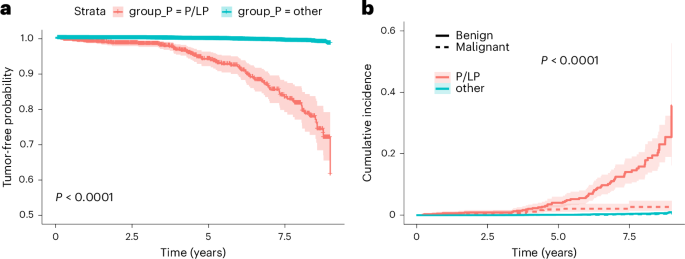
In the evolving landscape of pediatric oncology, the integration of genomic medicine has become a cornerstone of clinical practice. Recent advancements in large-scale genomic analysis are providing clinicians with more precise tools to identify pathogenic germline variants in pediatric patients. These genetic findings are increasingly recognized as vital indicators of elevated cancer risk, offering a new framework for how we approach long-term surveillance and genetic counseling for children and their families.
As a physician, I have witnessed how the shift toward precision medicine fundamentally changes the clinical journey for young patients. When we identify a germline variant—a genetic change inherited from a parent or occurring in the egg or sperm—we are not merely looking at a diagnosis. we are gaining a window into a child’s future health trajectory. Understanding the clinical implications of these variants is essential for providing proactive, personalized care that can lead to earlier interventions and, improved outcomes.
Understanding Germline Variants in Pediatric Oncology
Germline variants are alterations in the DNA that are present in every cell of an individual’s body. In the context of pediatric cancer, these variants in specific cancer-predisposition genes can significantly increase the likelihood of developing tumors. While cancer in children is relatively rare, a subset of pediatric cases is linked to these underlying genetic factors, which necessitates a specialized approach to clinical management.
The clinical utility of identifying these variants lies in the ability to move from reactive treatment to proactive surveillance. By characterizing the risk associated with specific genetic profiles, medical teams can implement tailored screening protocols. According to the National Cancer Institute, understanding hereditary cancer syndromes is a critical component of modern oncology, allowing for the potential detection of malignancies at a stage when they are more treatable.
The Role of Genetic Counseling and Surveillance
The identification of a pathogenic variant does not exist in a vacuum; it requires a robust support system for the family. Genetic counseling serves as the bridge between complex genomic data and actionable clinical decisions. For parents, learning that their child carries a germline variant can be an overwhelming experience. Professional genetic counselors play a pivotal role in explaining the inheritance patterns, the associated risks, and the necessity of ongoing surveillance.
Surveillance programs are designed based on the specific gene involved and the known risks associated with that variant. This may include:
- Regular imaging studies to detect asymptomatic tumors.
- Routine blood work to monitor specific biomarkers.
- Clinical examinations scheduled at intervals dictated by the patient’s specific genetic profile.
The goal of these programs is to ensure that if a tumor does develop, it is caught as early as possible. This approach is supported by organizations such as the American Society of Clinical Oncology, which emphasizes the importance of integrating genetic testing into the care of patients with a suspected hereditary predisposition to cancer.
Advancing Precision Medicine for Children
The field of pediatric genomic research continues to expand, driven by the desire to provide safer and more effective care. Large-scale genomic studies are helping to clarify which variants are truly pathogenic versus those that are benign, thereby reducing the anxiety caused by “variants of uncertain significance.” As our databases grow and our understanding of the human genome deepens, the accuracy of our risk assessments improves.
However, the application of these findings requires a careful balance. Over-screening can lead to unnecessary medical interventions and psychological stress for the child. Surveillance must be evidence-based, and personalized. The World Health Organization highlights that while childhood cancer survival rates have improved globally, the focus must remain on equitable access to diagnostic services and specialized care.
Looking Toward the Future
As we look ahead, the integration of genomic data into routine pediatric care will likely become the standard. This progress is not without its challenges, including the need for specialized training for pediatricians and the necessity of addressing health disparities in access to genetic testing. Yet, the potential to significantly improve the lives of children at risk for cancer makes this an area of vital importance.
For families navigating this journey, it is essential to work closely with multidisciplinary teams that include oncologists, geneticists, and counselors. Staying informed through reputable medical institutions and official health organizations remains the best way to advocate for your child’s health. Future updates on guidelines for pediatric genetic screening are expected to be released by major clinical oncology groups as new research becomes available.
What are your thoughts on the role of genomic testing in pediatric care? I invite you to share your experiences or questions in the comments section below, and please feel free to share this article with those who may find this information valuable.
Worth a look