
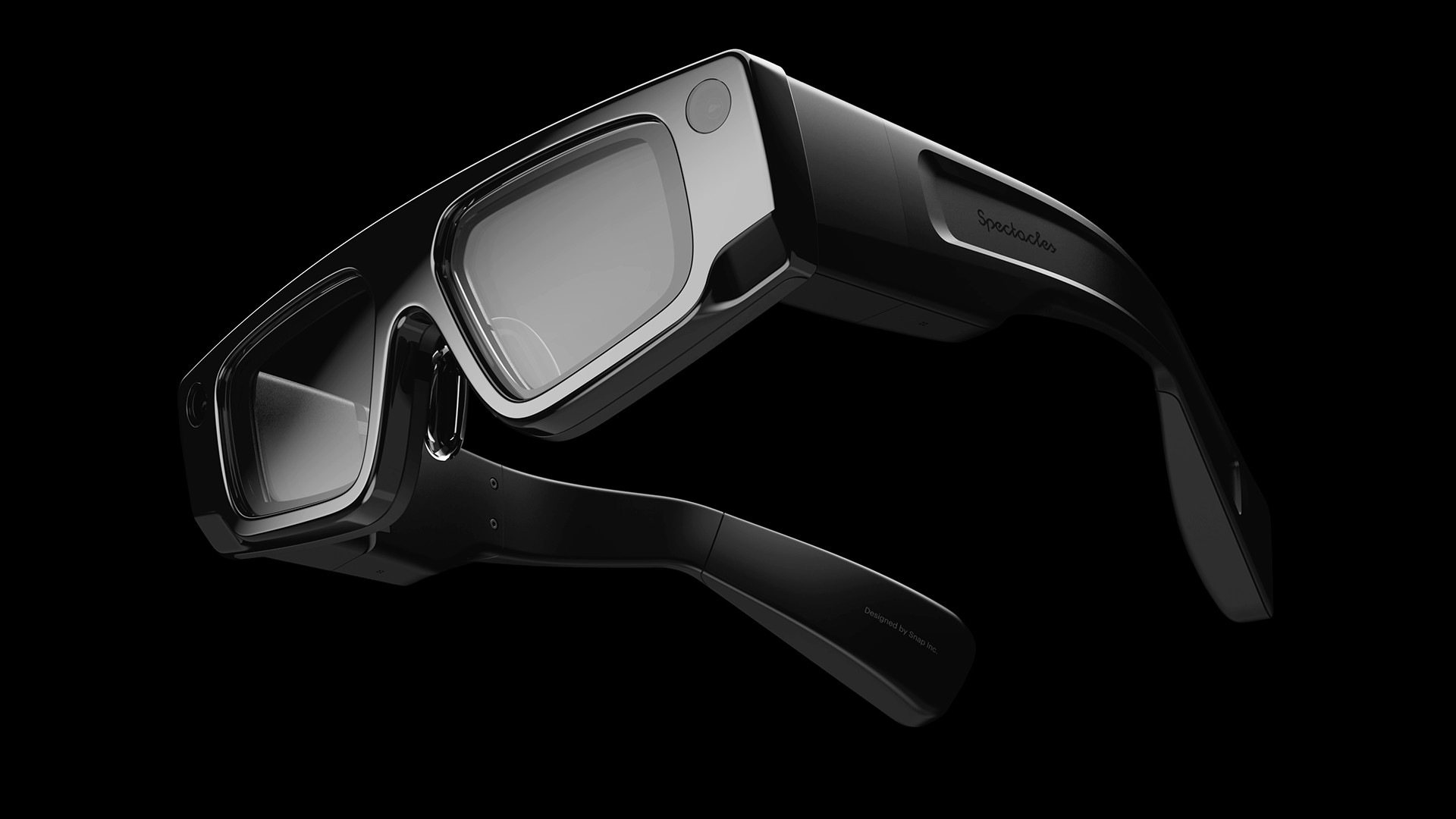
Snap Inc. has unveiled its latest iteration of augmented reality hardware, the fifth-generation Spectacles, which feature a dual-display optical system designed to overlay digital elements onto the physical world. Unlike previous versions, these glasses are built for developers and creators, utilizing the company’s proprietary Snap OS to integrate digital objects into real-time environments. According to official company documentation, the device is currently available exclusively through a subscription-based developer program.
The transition toward high-end augmented reality (AR) hardware represents a significant strategic shift for Snap, the parent company of the social platform Snapchat. By focusing on a standalone device that operates independently of a smartphone, the firm is positioning itself within the competitive landscape of spatial computing. The hardware relies on LCoS (Liquid Crystal on Silicon) micro-projectors to render images, which are then directed through waveguides to create the illusion of digital items existing in physical space, as detailed in technical reports from industry analysts.
Hardware Specifications and Design
The fifth-generation Spectacles weigh approximately 226 grams, a design choice intended to balance internal processing power with wearable comfort. The device is powered by a dual-processor architecture, featuring a Qualcomm Snapdragon processor paired with a custom-built co-processor designed specifically for low-latency AR rendering. This dual-chip approach is essential for maintaining a stable frame rate, which is critical for preventing motion sickness in AR applications, according to Qualcomm’s official product briefing.
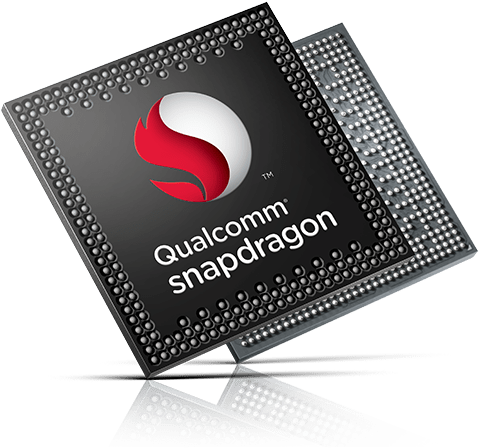
The field of view (FOV) on these glasses is 46 degrees, a specification that dictates how much of the user’s peripheral vision is covered by digital overlays. While this is narrower than some professional-grade enterprise headsets, it is optimized for the lightweight, form-factor-conscious design that Snap has pursued since its first foray into hardware. The glasses include four integrated cameras that track both the environment and the user’s hand gestures, allowing for direct interaction with virtual objects without the need for external controllers.
The Role of Snap OS
At the core of the user experience is Snap OS, a new operating system built to handle the complexities of spatial computing. The OS supports hand tracking and voice commands, prioritizing natural interaction over traditional interfaces. Developers can build applications for the device using Lens Studio, which now includes specific tools for creating persistent AR experiences that can be anchored to physical locations, as noted in the Snap AR developer portal.
The system is designed to facilitate shared experiences, allowing multiple users to view the same AR content simultaneously. This multi-user capability is a key differentiator, as it moves the hardware beyond a solitary viewing device toward a collaborative platform. However, the current iteration remains restricted to a developer audience, meaning that mass-market consumer access is not yet available, a detail confirmed by the company’s launch announcement.
Market Context and Industry Positioning
Snap’s entry into the AR wearable market follows years of investment in its Lens technology, which has primarily lived within the Snapchat mobile application. By moving this technology into dedicated hardware, the firm is attempting to capture a larger share of the emerging spatial computing market. This move places Snap in direct competition with other major players, including Meta and Apple, who are also developing head-mounted displays that blend virtual and physical environments.
The strategy mirrors a broader industry trend where companies are transitioning from mobile-based AR to standalone wearables. While mobile devices rely on a camera and screen to simulate AR, dedicated glasses provide a more immersive “heads-up” experience. Industry data suggests that the success of such hardware will depend heavily on the maturity of the developer ecosystem, as the utility of the device is tied directly to the quality and variety of applications available on the platform.
What Happens Next for Developers
Snap has stated that the current program is an invitation-only initiative. Developers participating in the program are required to pay a monthly fee of $99, billed annually, to access the hardware and the associated support ecosystem. This model allows the company to iterate on both the software and hardware based on real-world usage data before considering a wider commercial release.

Future updates to the platform will likely focus on improving battery life, which is currently rated for approximately 45 minutes of continuous use, and expanding the capabilities of the onboard sensors. For those interested in tracking the evolution of the hardware, Snap continues to provide updates through its official developer channels and technical blogs. Interested parties can monitor the official Spectacles website for announcements regarding expanded access or new developer tools. We invite readers to share their thoughts on the future of AR wearables in the comments section below.
Worth a look