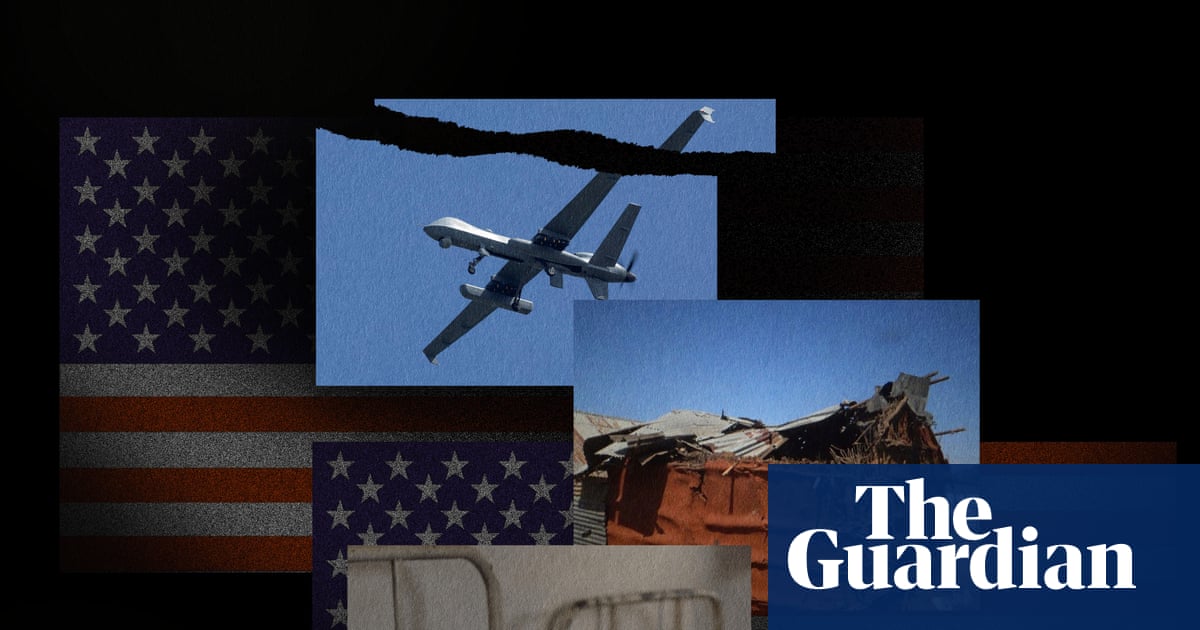
In November 2025, a series of airstrikes in Jamaame, Somalia, resulted in at least 12 civilian deaths, including eight children, according to reports from local residents and international observers monitoring the conflict. The United States Africa Command (AFRICOM), which oversees American military operations in the region, has not publicly confirmed civilian casualties from the incident, maintaining that its strikes target Al-Shabaab militants. The lack of an official acknowledgment regarding the deaths of the children continues to draw criticism from human rights organizations regarding the transparency of counter-terrorism operations in the Horn of Africa.
The Events of November 15, 2025
On the morning of November 15, 2025, residents of Jamaame reported a series of explosions that occurred shortly after 9:00 a.m. local time. According to eyewitness accounts gathered by independent investigators, the strike hit while families were beginning their morning routines. The town, located in the Lower Juba region of southern Somalia, has been a frequent site of military activity due to the presence of Al-Shabaab, an insurgency group with ties to Al-Qaeda that has fought to overthrow the Somali government for nearly two decades. The U.S. State Department maintains that these operations are essential for regional stability and the protection of U.S. interests, though the frequency of these strikes has historically raised questions regarding collateral damage.
U.S. Military Policy and Civilian Oversight
The U.S. military operates in Somalia under a mandate to support the Federal Government of Somalia against militant groups. While AFRICOM publishes periodic Civilian Casualty Assessment Reports, these documents often show discrepancies when compared to data compiled by independent monitoring groups like Airwars. The U.S. Department of Defense utilizes a specific legal framework for these engagements, often citing the 2001 Authorization for Use of Military Force (AUMF) as the underlying justification for its presence. However, the threshold for what constitutes a “civilian” in these zones remains a point of contention; the U.S. government has previously been criticized for labeling adult males in conflict zones as “combatants” unless post-strike evidence proves otherwise, a practice that human rights lawyers argue complicates accurate casualty counting.
Why Accountability Remains Elusive
The challenges in verifying incidents like the Jamaame strike are significant, primarily due to the security situation in southern Somalia. Access to the region is severely restricted for international journalists and independent human rights monitors. Consequently, the primary sources of information often rely on local testimonials, which can be difficult for international bodies to cross-reference with military data. According to the United Nations Office of the High Commissioner for Human Rights, the lack of a standardized, independent mechanism to investigate these airstrikes leaves families of victims without a clear path for legal recourse or compensation. The absence of an official U.S. acknowledgment regarding the specific deaths in Jamaame reflects a broader pattern of opacity that has characterized the American air campaign in Somalia for years.
The Human Impact of Targeted Strikes
Beyond the geopolitical implications, the strike highlights the ongoing vulnerability of the civilian population in southern Somalia. Many residents in the area surrounding Jamaame depend on agriculture, and the presence of high-altitude surveillance and strike aircraft has become a source of profound psychological distress for local communities. The “haunting high-pitched hum” of drones is a recurring detail in reports from the region, signaling to civilians that they are under constant observation. For the families affected by the November incident, the loss of eight children represents a devastating blow to the community, yet the silence from the military command regarding the specific circumstances of their deaths prevents any formal closure or acknowledgment of the harm caused.
What Happens Next
As of mid-2026, there are no scheduled public hearings or formal inquiries by the U.S. Congress regarding the Jamaame incident. Advocacy groups continue to call for an independent investigation into the strike, urging the Biden administration to revise its civilian harm mitigation policies. The next significant update on U.S. military activity in the region will likely come through the quarterly Department of Defense reports submitted to Congress, though these documents rarely address individual strikes in granular detail unless external pressure forces an internal review. Readers interested in the status of these reports can monitor official AFRICOM press releases for any updates on operational inquiries. We encourage readers to share this report and engage in the ongoing discussion regarding international accountability in conflict zones.
Related reading