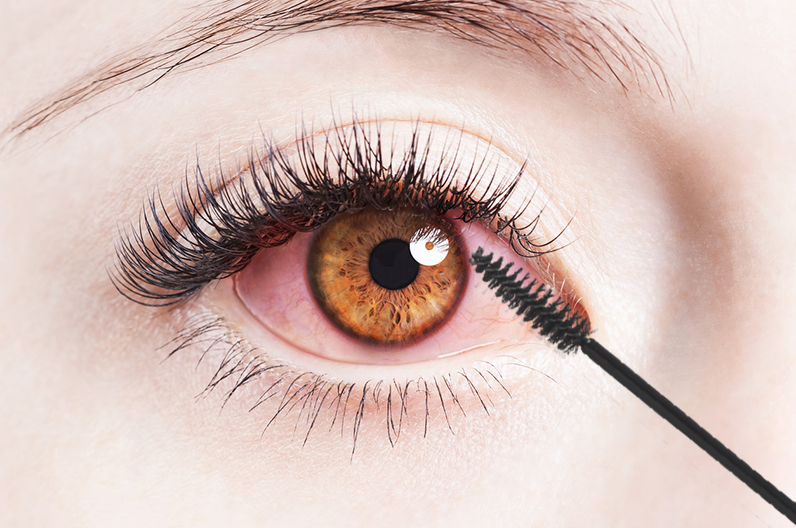
The quest for a more defined, “awake” look has propelled cosmetic eyelash enhancements from niche salon services to global beauty staples. From the semi-permanent curl of a lash lift to the dramatic volume of eyelash extensions, these procedures offer a low-maintenance alternative to daily mascara. However, as these treatments grow in popularity, medical professionals are highlighting a critical intersection between aesthetic trends and ocular health.
Recent discussions within the medical and optometry communities suggest that cosmetic eyelash extensions linked to dry eye symptoms may be a growing concern for patients. While many individuals undergo these procedures without incident, a subset of users experiences significant irritation, and some research suggests a more direct association with dry eye disease.
As a physician and health journalist, I have seen how the desire for beauty can sometimes overshadow the necessity of clinical precautions. Understanding the risks associated with these chemicals and adhesives is essential for anyone considering these treatments, particularly those with pre-existing sensitive eyes or chronic ocular conditions.
The Difference Between Lash Lifts and Extensions
To understand the potential risks, it is first necessary to distinguish between the two most common types of enhancements. A lash lift is a semi-permanent beauty treatment designed to enhance natural lashes by lifting and curling them, which creates the appearance of more open and defined eyes according to beauty health guidelines. Because it works with the natural hair, it is often viewed as a lower-maintenance option.
Eyelash extensions, conversely, involve adhering synthetic fibers to the natural lashes. This process introduces different materials and adhesives to the delicate skin of the eyelid and the surface of the eye. While both procedures aim for a similar aesthetic result, their impact on the eye’s surface and the tear film can differ significantly.
The Link Between Lash Enhancements and Dry Eye
Dry eye occurs when the eyes do not produce enough tears or the tears evaporate too quickly. There is an emerging body of evidence suggesting that cosmetic lash procedures can trigger or exacerbate this condition. In a study titled “Beauty versus Health—How Eyelash Extensions May Affect Dry Eye Disease?” published in the Journal of Clinical Medicine in May 2024, researchers from the Specialized Eye Hospital and the Medical University of Varna investigated the relationship between these extensions and ocular health via PubMed Central.
Medical professionals, including those in the field of optometry, have noted that the materials used in these procedures can potentially trigger dry eye symptoms. The irritation may stem from the chemical solutions used in lifts or the physical presence of extensions, which can interfere with the normal blinking mechanism or irritate the eyelid margin.
Contraindications: Who Should Avoid These Treatments?
Not every eye is suited for chemical lifts or synthetic extensions. Certain medical conditions act as contraindications, meaning the treatment could be harmful or lead to poor results. Those who fall into the following categories should exercise extreme caution or avoid the procedures entirely:
- Active Eye Infections: Individuals suffering from conjunctivitis (pink eye), styes, or blepharitis should avoid lash lifts until the infection has completely cleared. The lifting solutions can aggravate these conditions, leading to increased irritation and prolonged healing times as noted in clinical precautions.
- Chronic Dry Eye or Blepharitis: For those already struggling with chronic dry eye or blepharitis (inflammation of the eyelids), a lash lift may cause increased discomfort or further irritation.
- Allergies and Sensitivities: Some people react poorly to the chemicals used in adhesives or lifting solutions. This can manifest as redness, swelling of the eyelids, or watery, itchy eyes.
Safety Measures and Preventative Care
For those who wish to proceed with lash enhancements, taking proactive safety measures can reduce the risk of adverse reactions. One of the most critical steps is the patch test. If you have a history of allergies to beauty products—such as hair dyes, lash glues, or brow tints—it is recommended to perform a patch test at least 24 to 48 hours before the full appointment to check for burning or irritation around the lash line.
it is vital to communicate your full medical history to your technician. If you have a history of ocular sensitivity, ask if hypoallergenic options are available. However, the most reliable way to ensure your eye health is to consult with an eye care professional before beginning a semi-permanent treatment.
Key Safety Takeaways
| Risk Factor | Potential Symptom | Recommended Action |
|---|---|---|
| Allergies | Redness, swelling, itching | Patch test 24–48 hours prior |
| Active Infection | Increased inflammation | Wait until fully healed |
| Chronic Dry Eye | Increased irritation | Consult an ophthalmologist |
| Sensitive Skin | Burning sensation | Request hypoallergenic products |
What to Do If You Experience Symptoms
If you notice redness, persistent watering, or a “gritty” feeling in your eyes after a lash lift or extension application, do not ignore these signals. These can be early indicators of an allergic reaction or the onset of dry eye symptoms. In such cases, the immediate recommendation is to visit your own physician or an optometrist to discuss your specific situation and determine if the extensions need to be removed.
Maintaining ocular hygiene is likewise paramount. Ensuring that the eyelid margin remains clean can help mitigate some of the risks associated with blepharitis and irritation, though this does not replace professional medical advice.
As the beauty industry continues to innovate, the responsibility falls on both the provider and the consumer to prioritize health over aesthetics. While a lift or extension can enhance your appearance, the long-term health of your vision and the comfort of your eyes are irreplaceable.
For those currently experiencing eye irritation, the next step is to schedule a comprehensive eye exam to rule out underlying dry eye disease or infection. We encourage readers to share their experiences with cosmetic lash treatments in the comments below to help others make informed decisions about their ocular health.
Related reading