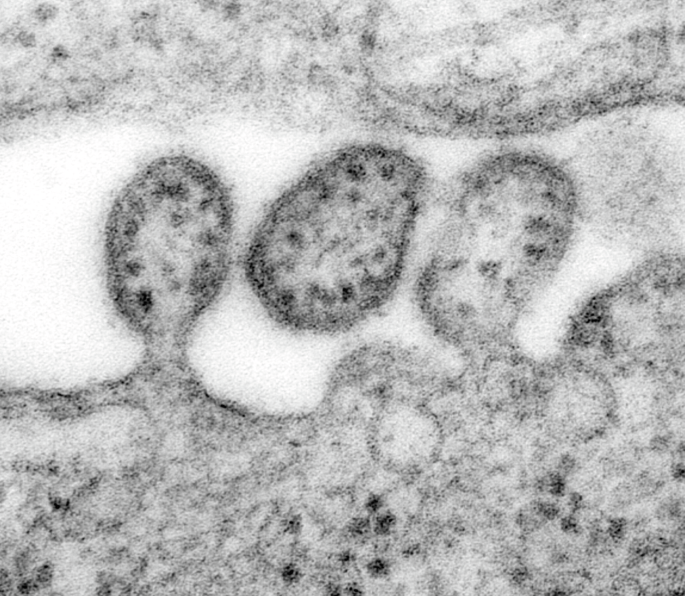
International health authorities have reached a significant milestone in the effort to combat Lassa fever, as two separate early-phase clinical trials have advanced into testing for potential vaccines and therapeutic treatments. These developments mark the first interventional treatment trial in decades, representing a coordinated effort to address an infection that causes significant mortality in parts of West Africa.
Lassa fever is an acute viral hemorrhagic illness caused by the Lassa virus, an arenavirus endemic to parts of West Africa, including Sierra Leone, Liberia, Guinea, and Nigeria. According to the World Health Organization, the virus is primarily transmitted to humans through contact with food or household items contaminated with the urine or feces of infected Mastomys rats. While many infections remain asymptomatic, severe cases can lead to hemorrhaging, respiratory distress, and multi-organ failure, with case fatality rates in hospitalized patients historically reaching substantial levels.
The Evolution of Lassa Fever Countermeasures
For decades, medical professionals have lacked specific, targeted therapeutics for Lassa fever, often relying on supportive care and the off-label use of ribavirin, an antiviral drug with limited efficacy data. The recent initiation of clinical trials signals a shift toward evidence-based prophylaxis and treatment. These trials are largely supported by organizations such as the Coalition for Epidemic Preparedness Innovations (CEPI), which has prioritized Lassa fever as a pathogen with epidemic potential.

The current research landscape is divided into two primary categories: preventative vaccines designed to elicit immune responses before exposure, and therapeutic interventions intended to neutralize the virus once an infection has been established. Clinical trial data, as noted in recent regulatory filings, indicates that researchers are focusing on safety and immunogenicity in these initial human studies. The move toward interventional trials—where patients already exhibiting symptoms are administered experimental compounds—is a departure from traditional vaccine-only strategies, addressing the urgent clinical need for those already suffering from the disease.
Understanding the Clinical Trial Process
Clinical trials for infectious diseases of this nature typically follow a rigid, phased structure to ensure patient safety. Phase 1 trials focus primarily on safety and dosage, monitoring participants for adverse reactions. As these trials progress, researchers look for signs of efficacy, such as the reduction of viral load in the blood or improvements in clinical markers like liver function and coagulation profiles.

The complexity of testing Lassa fever treatments is compounded by the geography of the outbreaks. Because the virus is endemic to specific regions, trials must be conducted in collaboration with local health ministries and research institutions within affected countries. This ensures that the research is culturally appropriate, ethically sound, and directly benefits the communities most at risk. The Nigeria Centre for Disease Control and Prevention serves as a key partner in this regional infrastructure, providing the necessary surveillance data to identify trial sites where incidence rates are high enough to support meaningful study outcomes.
Why Targeted Treatment Matters
The absence of a standardized treatment protocol has historically hampered efforts to manage Lassa fever outbreaks. When a patient presents with symptoms that mimic other endemic febrile illnesses, such as malaria or Ebola, the lack of a rapid, specific treatment can lead to delays in care. The development of a successful therapeutic would provide a critical tool for clinicians, potentially lowering the mortality rate and reducing the long-term sequelae associated with the virus, such as permanent hearing loss, which occurs in approximately one-third of surviving patients.
Furthermore, the push for a vaccine is viewed as a primary public health goal to break the cycle of transmission. By vaccinating high-risk populations, including healthcare workers and residents in endemic rural areas, officials hope to reduce the frequency of zoonotic spillover events. The current progress in these trials reflects a broader trend in global health policy, where funding is increasingly directed toward “neglected tropical diseases” that have historically received less attention from pharmaceutical research and development sectors.
Looking Toward Future Benchmarks
As these early-phase trials continue, the global medical community awaits the publication of preliminary results regarding safety and potential efficacy. Regulatory bodies, including the European Medicines Agency and the U.S. Food and Drug Administration, maintain oversight through their respective orphan drug and tropical disease priority review pathways, which are designed to expedite the evaluation of treatments for rare or underserved medical conditions.

The next major checkpoint for these research programs will involve the analysis of interim data, which is expected to inform the design of larger, Phase 2 and Phase 3 trials. These subsequent studies will be essential to confirm whether the experimental vaccines and drugs provide a statistically significant benefit in real-world settings. Readers interested in tracking the progress of these countermeasures can find official updates through the Coalition for Epidemic Preparedness Innovations (CEPI), which provides periodic reports on the status of its global vaccine portfolio. We invite our readers to share their thoughts or questions regarding these developments in the comments section below.