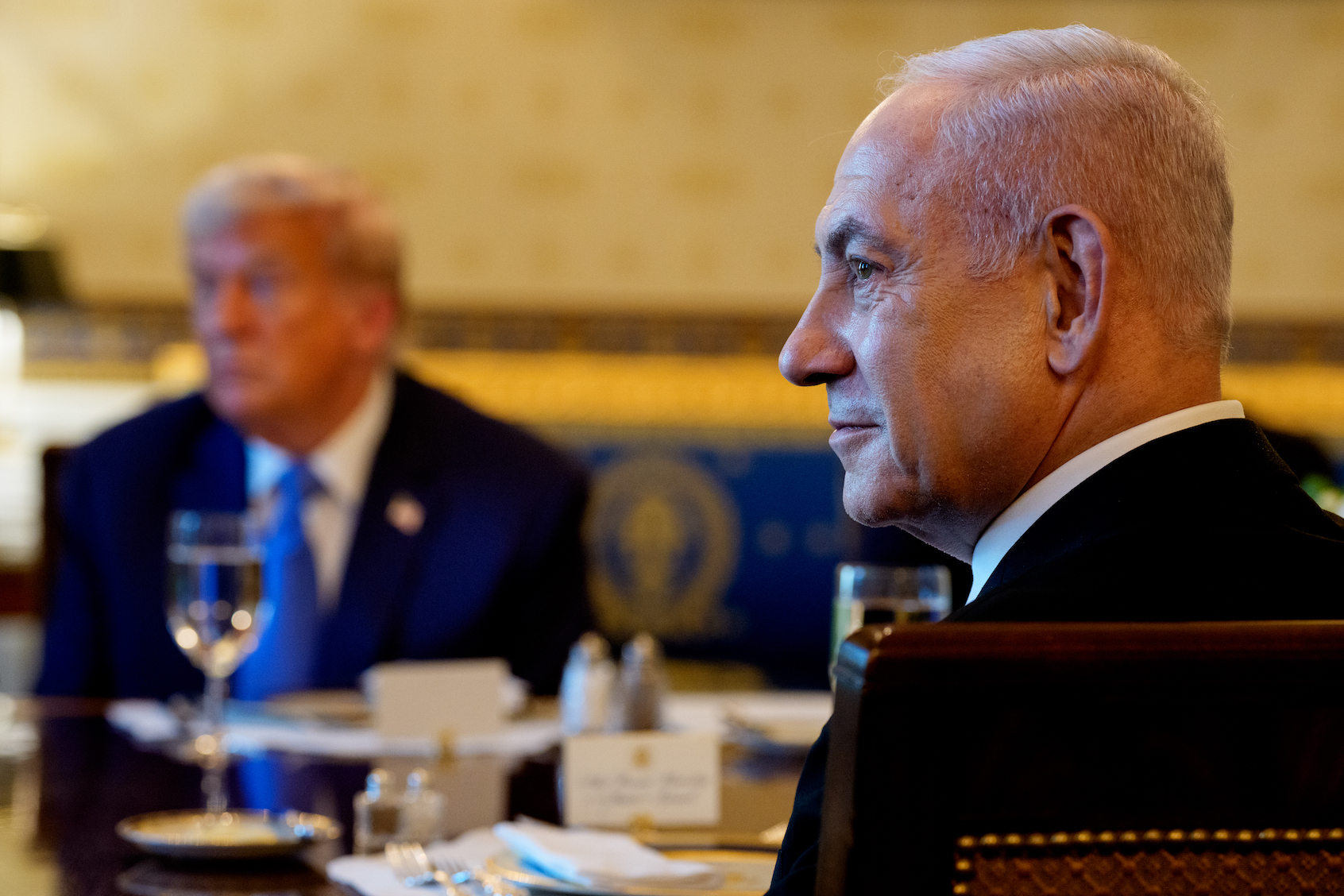
Israeli Prime Minister Benjamin Netanyahu has publicly rejected the characterization of the United States as his country’s “only powerful ally,” asserting that Israel maintains a broad network of international relationships. The remarks, delivered during a recent interview, serve as a direct response to comments made by Vice President JD Vance, who previously warned that Israel risked losing the support of the “only powerful ally that [they] have anywhere left in the entire world” if it obstructed U.S.-led diplomatic efforts regarding Iran.
The tension between the two perspectives highlights a divergence in how the current Israeli administration and its American counterparts view Israel’s geopolitical standing. While the U.S. administration has signaled that its support is contingent on alignment regarding regional peace deals, Netanyahu maintains that Israel’s diplomatic reach remains robust and independent of any single bilateral relationship.
Netanyahu Counters Vance on Diplomatic Isolation
In a discussion with Fox News, Prime Minister Benjamin Netanyahu addressed the assertion that Israel is facing global isolation. When asked about Vice President JD Vance’s warning that Israel risked losing its status as a supported ally by interfering with U.S.-Iran negotiations, Netanyahu characterized Israel’s global standing as significantly stronger than the Vice President’s comments implied.

“We have many, many friends,” Netanyahu stated during the interview. He suggested that behind-the-scenes diplomatic engagement remains active, noting, “Many leaders, you know, call me up and say, ‘Hey, look, I’ve got this problem with public opinion, but I want you to know, we respect you, and can we make some deals?’”
The Prime Minister’s comments stand in contrast to the warnings issued by Vance, who had explicitly cautioned Israeli officials last month. Vance argued that any actions perceived as sabotaging a potential peace agreement between the United States and Iran could jeopardize the support of what he termed the “only powerful ally that [they] have anywhere left in the entire world.”
The Role of Social Media and Public Perception
Beyond traditional diplomacy, Netanyahu attributed the perceived decline in international support for Israel to the influence of social media platforms. He argued that public opinion is being artificially manipulated by automated systems, which he claimed are contributing to a shift in sentiment among younger Americans.
“It has something to do with the… penetration of social media,” Netanyahu said. “They have bot farms that push the stuff against America and against Israel.” He further contended that these digital campaigns specifically target young people, suggesting a direct link between the prevalence of certain social media content and a reported decrease in patriotic American support for Israel.
This perspective places the burden of current diplomatic friction on information warfare rather than policy disagreements. By framing the issue as an external manipulation of public opinion, the Prime Minister seeks to decouple the Israeli government’s strategic decisions from the domestic political backlash observed in the United States.
Aligning with the Trump Administration
Netanyahu’s assessment of his country’s alliances included a specific endorsement of Donald Trump. During the same interview, the Prime Minister described Trump as the “greatest friend that [Israel] ever had in the White House.” This framing emphasizes a preference for past U.S. executive approaches over current diplomatic pressures.

The reliance on this relationship underscores the Israeli government’s strategy of maintaining high-level political ties in Washington despite fluctuations in the broader diplomatic climate. While the current U.S. administration emphasizes the necessity of a unified front regarding Iran, Netanyahu’s comments suggest that he views the Israeli-American relationship as one that can withstand friction, provided there is alignment with specific political allies.
As discussions regarding regional stability continue, the status of these alliances remains a point of contention.