
The global transition from analog to digital broadcasting has fundamentally altered the home entertainment landscape, moving viewers away from the era of grainy images and unstable signals. This migration is not merely a technical update but a significant leap in how audiences consume media, offering a level of visual and auditory precision that was previously unavailable to the general public.
For many households, the shift involves a choice between upgrading to a modern digital television or integrating existing hardware with new technology. As the industry moves toward a full digital standard, understanding the benefits of digital TV and the mechanisms of the transition—such as the Analog Switch Off (ASO)—is essential for maintaining access to information and entertainment.
The move to digital systems eliminates the common frustrations associated with analog signals, such as “ghosting” or the “snow” effect (visual noise) that often plagued older receivers. By utilizing digital signals, broadcasters can deliver a more stable and high-definition experience, ensuring that the quality of the broadcast remains consistent regardless of minor signal fluctuations.
The Core Advantages of Digital Television
Modern digital TVs provide several integrated advantages that enhance the overall viewing experience while simplifying the hardware required in the living room. Unlike analog systems, which often required various external tuners or amplifiers to maintain a watchable picture, digital technology streamlines the process.
One of the primary benefits is the significant improvement in image and sound quality. Digital signals are capable of producing sharper, cleaner images without the interference of dots or shadows. This results in a more comfortable viewing experience, especially during long-duration programs. Similarly, audio quality is more stable and clear, which is particularly critical for dialogue-heavy shows and musical performances.
From a practical standpoint, modern digital TVs are designed for simplicity. Many current models come with built-in digital receivers, meaning they do not require a separate set-top box to capture digital broadcasts; a standard antenna is often sufficient. This integration not only reduces cable clutter but also improves energy efficiency by reducing the number of powered devices needed to operate the system.
digital televisions often include expanded utility features that go beyond simple broadcasting. Many devices now support media playback via USB ports and offer the ability to record live broadcasts, providing users with more control over their viewing schedules.
Navigating the Analog Switch Off (ASO)
The transition to digital is often managed through a process known as the Analog Switch Off (ASO). This is a coordinated effort by governments and broadcasting agencies to cease analog transmissions and move entirely to digital platforms to free up spectrum and improve service quality.
In specific regions, such as the Bengkulu 1 service area (including Kota Bengkulu and Kabupaten Bengkulu Tengah), this process saw significant milestones around April 2022 according to reports on the migration process. During this phase, the transition was supported by synergy between the Ministry of Communication and Informatics (Kominfo) and the Ministry of Social Affairs to ensure that vulnerable populations were not left without access to information.
To facilitate this migration, broadcasting groups like PT Surya Citra Media (SCM) and PT Elang Mahkota Teknologi (EMTEK) played a key role. These organizations, through multiplexing (Mux) operators such as SCTV and INDOSIAR, helped distribute the technology necessary for the transition.
The Role of the Set-Top Box (STB)
For households that own analog televisions and are not yet ready to purchase a new digital TV, the Set-Top Box (STB) serves as a critical bridge. An STB is a device that converts a digital signal into a format that an analog TV can display.
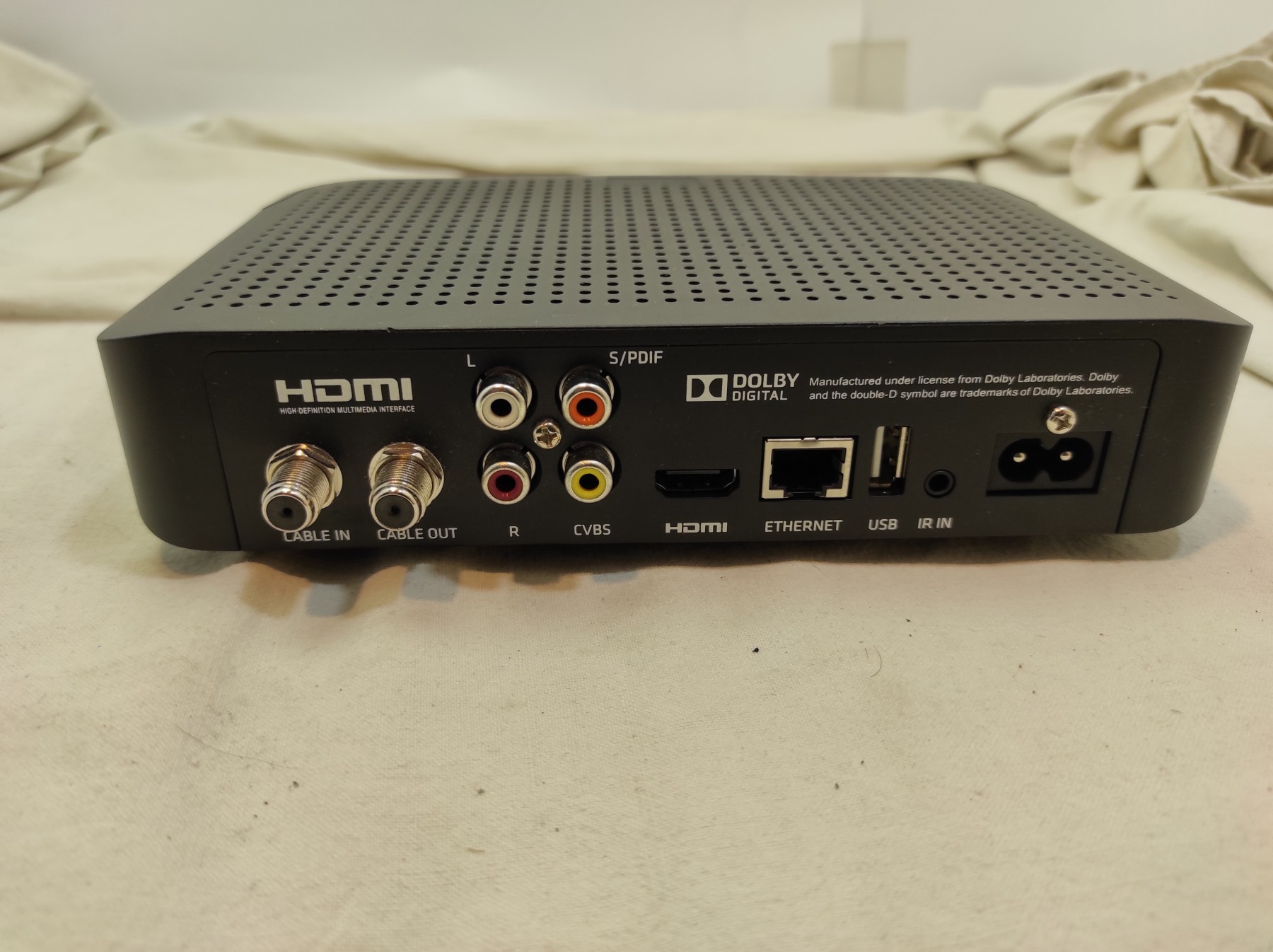
- Cost-Effective Transition: Instead of replacing a functioning television, users can simply add an STB to maintain access to digital channels.
- Accessibility: In various migration phases, STBs have been distributed to registered low-income families to ensure equitable access to digital broadcasting.
- Functionality: The STB allows older hardware to benefit from the stability and clarity of digital signals.
Choosing the Right Setup for Your Home
When deciding how to upgrade to digital broadcasting, consumers generally face two paths: purchasing a new digital-ready television or utilizing a set-top box for their current analog set. The decision typically depends on the budget and the current state of the household’s electronics.
Digital TVs are a long-term investment. Because the receiver is integrated, they are more efficient in terms of power consumption and space. While the initial cost is higher than an STB, the added features—such as higher resolution screens and USB connectivity—provide more value over time. Pricing for these units remains diverse, allowing consumers to find options that fit their specific household needs and budgets.
Conversely, the STB is the ideal solution for those who prefer to minimize immediate spending or who have an analog TV in good working condition. It provides the same digital signal quality as a new TV without the demand for a full hardware replacement.
| Feature | Digital TV (Integrated) | Set-Top Box (STB) |
|---|---|---|
| Hardware Requirement | Single device | External box + Analog TV |
| Installation | Plug-and-play with antenna | Requires connection to ancient TV |
| Power Efficiency | Higher (one power source) | Lower (two power sources) |
| Initial Cost | Higher | Lower |
| Additional Features | Often includes USB/Recording | Basic signal conversion |
As the world continues to move away from analog signals, the focus remains on ensuring that all citizens have the tools necessary to stay connected. Whether through government-sponsored STB distributions or the purchase of new consumer electronics, the shift to digital ensures a more reliable, clear, and efficient future for home broadcasting.
For those seeking further updates on broadcasting standards or eligibility for government-assisted digital migration, official announcements from the Ministry of Communication and Informatics remain the primary source for verified timelines and registration details.
Do you have questions about upgrading your home entertainment system or the digital migration process? Share your thoughts and experiences in the comments below.