Public sector employees in Italy now have clearer protections regarding their contractual hours, specifically ensuring that employers cannot unilaterally force a transition from part-time to full-time employment. This development clarifies the rights of civil servants who choose to balance professional duties with personal life, reinforcing the principle of mutual consent in contractual modifications.
The Italian public administration framework has long been governed by the Legislative Decree 165/2001, which establishes the general rules for the organization of labor within the public sector. According to the Dipartimento della Funzione Pubblica, the nature of a part-time contract is fundamentally rooted in the voluntary agreement between the administration and the worker. Any attempt to mandate a return to a full-time schedule without the employee’s explicit consent is legally inconsistent with the established protections for flexible working arrangements.
Understanding the legal landscape is essential for employees looking to manage their work-life balance while remaining within the public service. The regulation ensures that once a part-time agreement is reached, it remains the standard of the employment relationship unless both parties decide, through a formal amendment, to revert to a full-time capacity.
Legal Protections for Flexible Working
For many public sector workers, the shift to part-time status is often a strategic choice to accommodate family needs, education, or other personal commitments. Under current administrative law, the transition to part-time work is not a temporary benefit that an administration can revoke at will. Instead, it is a contractual status that requires a new written agreement to terminate or modify.

The Normattiva portal, which archives the official legislation of the Italian Republic, outlines that public administrations must provide clear justifications for the denial or modification of part-time requests based on organizational requirements. However, once a part-time contract is active, the administration does not possess the inherent authority to impose a full-time schedule. This protection serves as a critical safeguard against administrative overreach, ensuring that the contractual autonomy of the employee is respected throughout their tenure.
Impact on Administrative Management
Public administrations often face the challenge of balancing service efficiency with the rights of their workforce. While the administration retains the right to organize its offices to meet operational goals, this power is limited by the contractual rights of the individual. When an administration seeks to increase staffing levels or coverage, it must do so through established recruitment channels or by offering voluntary conversion opportunities to current part-time staff, rather than by compelling existing employees to increase their hours.
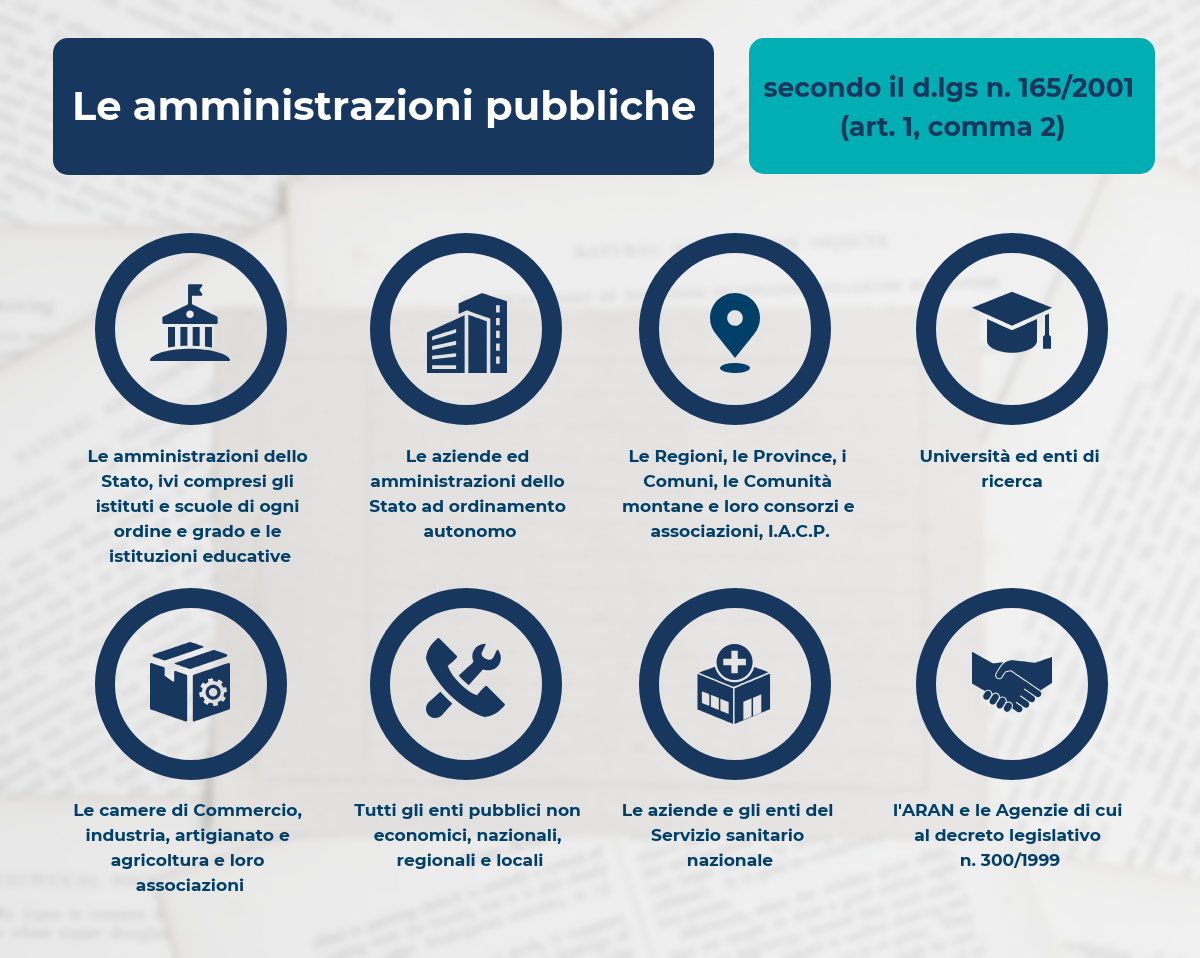
According to guidance from the Agenzia per la Rappresentanza Negoziale delle Pubbliche Amministrazioni (ARAN), which manages collective bargaining for the public sector, any modification to the working time regime must be documented and signed by both the employer and the employee. This requirement for mutual consent effectively nullifies any attempts by management to unilaterally force a transition to full-time work, providing a stable legal environment for those in non-standard working arrangements.
Resources for Employees
Workers who believe their contractual rights are being challenged have several avenues for recourse. It is recommended that employees first consult their specific Collective Bargaining Agreement (CCNL), as these documents often contain sector-specific details on the procedure for requesting and maintaining part-time status. The Istituto Nazionale della Previdenza Sociale (INPS) also provides information on how part-time work affects pension contributions and social security, which is a vital consideration for those opting for reduced hours.
If an administration insists on a modification that the employee does not wish to accept, the employee may seek clarification from their trade union representative or the human resources department, citing the legislative requirement for mutual consent. Keeping a detailed record of all communications regarding work hours is advised for any potential formal dispute resolution process.
As the landscape of public sector employment continues to evolve, the emphasis remains on transparency and the protection of the worker’s right to negotiate their terms of service. For the latest updates on administrative circulars and potential regulatory changes, employees should monitor the official bulletins published by the Ministry for Public Administration.
Keep reading