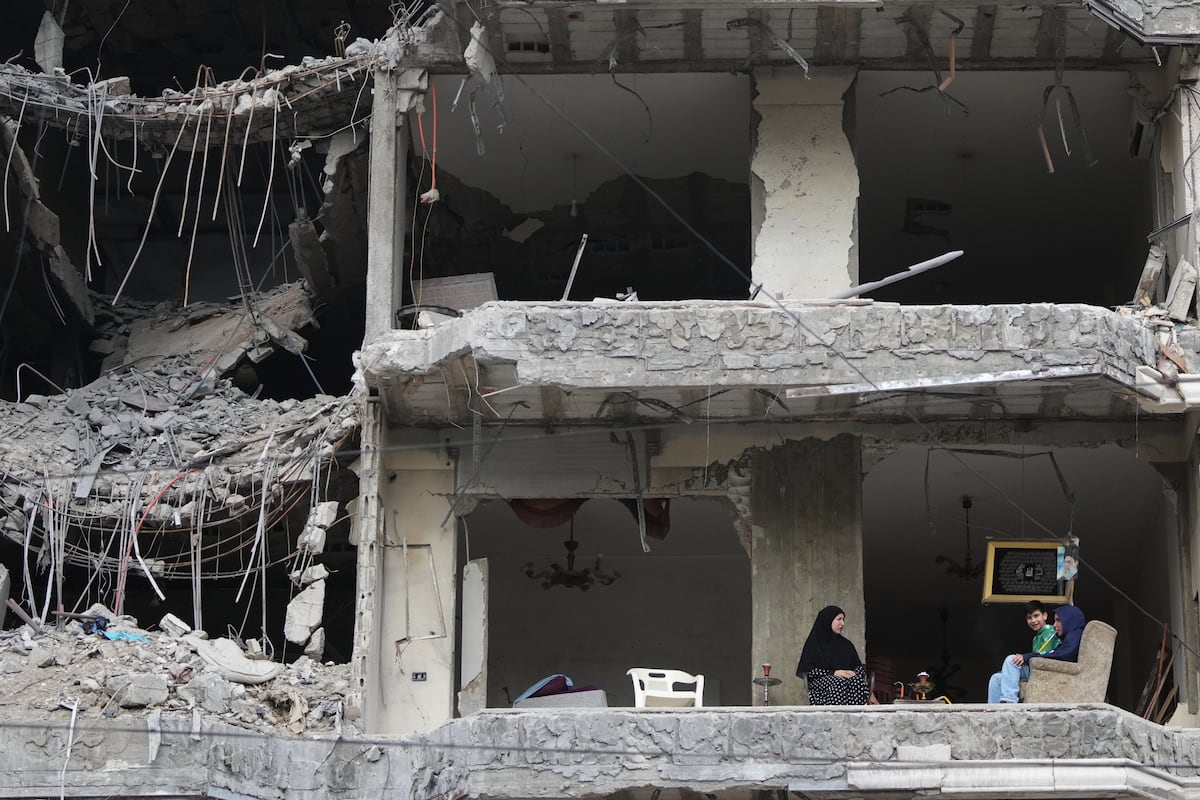
Israel Orders Modern Evacuations in Southern Lebanon Amid Escalating Strikes on Hezbollah
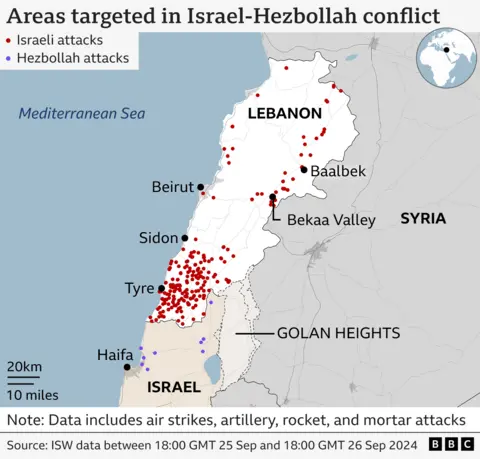
Israeli military authorities have issued new evacuation orders for several localities in southern Lebanon, signaling an intensification of operations against Hezbollah targets in the region. The directive comes amid a broader campaign of Israeli strikes in Lebanon, which Prime Minister Benjamin Netanyahu has described as necessary to counter threats posed by the Iran-backed militant group. According to multiple verified reports, the Israel Defense Forces (IDF) are conducting what officials have termed “forceful” and “vigorous” attacks on Hezbollah infrastructure, including weapons storage sites and command centers.
The evacuation orders specifically affect villages and towns near the Israeli-Lebanese border, where residents have been urged to move northward for their safety. Israeli officials state that the measure is intended to protect civilians from potential retaliation and to clear the way for military operations. This development follows a pattern seen in recent weeks, during which Israel has carried out repeated aerial and artillery strikes across southern Lebanon, particularly in areas identified as Hezbollah strongholds.
Prime Minister Netanyahu’s office confirmed that the IDF was instructed to strike Hezbollah targets “with force,” emphasizing that the operations are aimed at degrading the group’s capabilities. The directive aligns with public statements made by the Prime Minister in recent days, in which he vowed to respond decisively to any attacks originating from Lebanese territory. While Israel maintains that its actions are defensive and targeted, Lebanese authorities and international observers have raised concerns about the impact on civilian populations, and infrastructure.
Hezbollah, for its part, has acknowledged exchanging fire with Israeli forces along the border but has not confirmed specific casualty figures or operational losses. The group, which receives significant support from Iran, frames its actions as resistance to Israeli aggression. However, Israel and its allies, including the United States, designate Hezbollah as a terrorist organization and accuse it of using civilian areas in Lebanon to shield military activities—a claim that remains contested and difficult to independently verify in real time.
The ongoing exchanges have heightened fears of a broader regional confrontation, particularly given the longstanding tensions between Israel and Iran. Although direct military engagement between the two nations has not occurred, Israel frequently cites Iranian influence over Hezbollah as a justification for its actions in Lebanon. Meanwhile, diplomatic channels remain active, with reports indicating that U.S. And Iranian officials have engaged in indirect talks in third countries, including recent visits to Islamabad, though both sides have denied that formal negotiations are underway.
International organizations, including the United Nations Interim Force in Lebanon (UNIFIL), continue to monitor the situation closely and have called for restraint to prevent further escalation. UNIFIL patrols regularly report observing cross-border fire and have urged both sides to respect the cessation of hostilities understanding that has been in place since 2006, despite frequent violations reported by all parties.
For civilians caught in the crossfire, the humanitarian toll is growing. Displacement has increased as families flee border villages, seeking shelter in schools, municipal buildings, and with relatives in safer areas. Aid groups operating in Lebanon note that access to affected zones remains challenging due to security concerns, complicating efforts to deliver food, medicine, and other essential supplies.
As the situation evolves, the international community watches closely, aware that any significant escalation could draw in additional actors and destabilize an already fragile region. For now, the focus remains on the immediate humanitarian needs of displaced populations and the urgent need to prevent further loss of life.
Background on the Israel-Hezbollah Conflict
The current escalation is part of a decades-long pattern of hostility between Israel and Hezbollah, which emerged in the early 1980s during Israel’s occupation of southern Lebanon. Hezbollah was formed with Iranian support as a resistance movement against Israeli forces, eventually evolving into a powerful political and military actor within Lebanon. The group holds seats in the Lebanese parliament and maintains extensive social services, but its armed wing operates independently and is not subject to Lebanese government control.
The most significant prior confrontation occurred in 2006, when a 34-day war erupted after Hezbollah abducted two Israeli soldiers. The conflict resulted in over 1,000 Lebanese deaths (mostly civilians) and 165 Israeli fatalities, widespread destruction of infrastructure in Lebanon, and significant displacement on both sides. The war ended with a United Nations-brokered ceasefire (UN Security Council Resolution 1701), which called for the disarmament of all armed groups in Lebanon, the withdrawal of Israeli forces, and the deployment of UNIFIL to monitor the border.
Although UNIFIL has maintained a presence in southern Lebanon since 2006, its mandate is limited to observation and reporting, and it lacks the authority to enforce disarmament or prevent cross-border attacks. Over the years, both Israel and Hezbollah have accused each other of violating Resolution 1701, particularly regarding the buildup of arms near the border and the launch of attacks from civilian areas.
In recent years, tensions have flared periodically, often following incidents along the border or in response to broader regional developments, such as the Gaza conflict. Israel has conducted numerous preemptive strikes in Lebanon, claiming they are necessary to thwart imminent attacks by Hezbollah. These operations typically target suspected weapons shipments, rocket launch sites, and intelligence facilities attributed to the group.
Hezbollah, meanwhile, has steadily increased its arsenal over time, reportedly possessing tens of thousands of rockets and missiles capable of reaching deep into Israeli territory. While the group has largely refrained from large-scale attacks since 2006, it has engaged in periodic exchanges of fire, particularly during times of heightened regional instability.
The involvement of Iran remains a central point of contention. Israel asserts that Hezbollah receives substantial financial, military, and training support from Iran’s Islamic Revolutionary Guard Corps (IRGC), enabling it to maintain a formidable deterrent against Israel. Iran, in turn, denies direct operational control over Hezbollah but affirms its political and ideological alliance with the group, describing it as a legitimate resistance movement.
Efforts to mediate or de-escalate tensions have had limited success. International actors, including France and the United States, have at times sought to negotiate understandings to reduce friction along the border, but these initiatives have often faltered due to mistrust and divergent objectives. Lebanon’s own political instability—marked by economic collapse, governmental paralysis, and sectarian divisions—further complicates efforts to assert state control over security matters, including the monopoly on violence.
Humanitarian Impact and Civilian Displacement
The latest round of evacuations has added to the growing number of displaced persons in southern Lebanon. While exact figures are not consistently reported by official sources, local municipalities and humanitarian NGOs have documented waves of families leaving border towns such as Marjayoun, Bint Jbeil, and Ain Ebel following Israeli evacuation directives and nearby strikes.
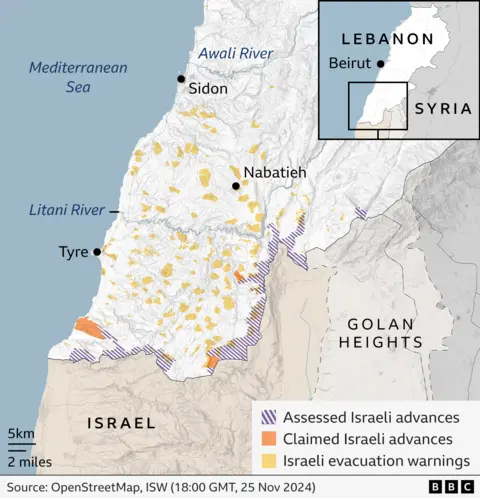
Displaced individuals are primarily seeking refuge in urban centers like Sidon, Tyre, and Beirut, where they rely on host families, temporary shelters, or collective accommodations set up by local authorities and aid organizations. Schools and public buildings have been repurposed as emergency shelters in several instances, echoing similar measures taken during previous escalations.
Humanitarian organizations operating in Lebanon, including the Lebanese Red Cross, UN agencies, and international NGOs, report increased demand for food assistance, clean water, hygiene kits, and medical care among displaced populations. However, access to some areas remains restricted due to ongoing military activity and security concerns, limiting the ability of aid groups to conduct needs assessments and deliver supplies consistently.

Children are among the most vulnerable affected groups. Disruption to education is a significant concern, as many schools in conflict-affected zones have been closed or converted into shelters. Psychosocial support services are also in high demand, particularly for children who have experienced displacement, witnessed violence, or lived under the threat of attacks.
Lebanese officials have appealed for international assistance to cope with the rising humanitarian needs, noting that the country is already grappling with a severe economic crisis, currency collapse, and shortages of basic goods. The added strain of displacement risks overwhelming local resources, particularly in host communities that are themselves under significant stress.
International donors and UN agencies have previously provided emergency funding during similar crises, but long-term solutions remain elusive without a durable political settlement to the Israel-Hezbollah conflict. Until such a resolution is achieved, periodic flare-ups and their humanitarian consequences are likely to continue.
Statements from Key Officials
Israeli Prime Minister Benjamin Netanyahu has been vocal in justifying the current operations, stating in public remarks that Israel will not tolerate threats to its sovereignty and will act decisively to remove them. His office has emphasized that the IDF’s actions are precise and intended to minimize harm to civilians, though independent verification of such claims is often difficult amid active combat operations.
Defense Minister Yoav Gallant has echoed these sentiments, describing the campaign as necessary to restore deterrence and prevent Hezbollah from reconstituting its capabilities near the border. Israeli military spokespersons have regularly released statements detailing specific strikes, claiming they targeted weapons depots, launch sites, and terrorist infrastructure.
On the Lebanese side, caretaker Prime Minister Najib Mikati has called for an immediate cessation of hostilities and urged international intervention to protect Lebanese civilians. He has also criticized what he describes as disproportionate use of force by Israel, arguing that military operations are causing unnecessary harm to civilians and civilian infrastructure.
Hezbollah’s deputy secretary-general, Sheikh Naim Qassem, has acknowledged the exchanges of fire but framed them as a legitimate response to Israeli aggression. In recent statements, he has warned that any further escalation would be met with a strong response, though he has not specified what form that might take.
International officials, including the U.S. Secretary of State and the UN Special Coordinator for Lebanon, have urged restraint and called for diplomatic channels to be used to de-escalate tensions. They have also reiterated support for UNIFIL’s mission and called for full respect of UN Security Council Resolution 1701.
As of the latest verified updates, no formal ceasefire agreement has been reached between the parties, and both sides continue to assert their right to self-defense. The situation remains fluid, with the potential for rapid changes based on battlefield developments, diplomatic initiatives, or unilateral decisions by either party.
Worth a look
- Brother of Former CJNG Cartel Leader Pleads Guilty to US Drug Trafficking Charges
- Russia Faces New Mobilization Fears as Citizens Flee the Country Again
- Trump Orders New Strike on Iran as Conflict Enters Sixth Month (world-today-news.com)
- Banana Ball Arrives in Boise Live Coverage from Albertsons Stadium (news-usa.today)