Latino Community Faces Critical Barriers to Dental Care in Charlotte, North Carolina
For many in the Latino community, accessing timely dental care remains a significant challenge, often leading to delayed treatment until problems become severe. This disparity isn’t simply a matter of preference; it’s a complex issue rooted in financial constraints, lack of insurance, language barriers and a pervasive cycle of prioritizing immediate needs over preventative health. “They wait until their dental problems are serious to seek attention,” explained Dr. Fernando Astorga, a dentist at Camino Health Center, in a recent interview. This pattern of delayed care has profound implications for overall health and well-being, impacting not only oral health but also contributing to systemic health issues.
The issue is particularly acute in rapidly growing Latino communities like Charlotte, North Carolina, where access to affordable and culturally sensitive healthcare is often limited. Camino, a bilingual and multicultural nonprofit organization, has been serving Latino families in the Charlotte area for over 20 years, offering a range of services including a health center, upward mobility programs, and a thrift store. Recognizing the critical need for dental services, Camino expanded its offerings in March 2025, responding to a clear demand identified through community outreach. The organization’s commitment to providing care in both English and Spanish is a vital component of bridging the gap in access for this population.
A recent assessment conducted by Camino Health Center revealed the depth of the problem. After interviewing 3,397 patients, a striking 79% identified a lack of dental care as their primary health concern. Since the launch of its dental services in March 2025, Camino has served over 5,588 patients, addressing prevalent issues such as gum disease, cavities, and tooth loss – all conditions closely linked to a lack of preventative care. The organization’s integrated approach, combining medical and dental services, aims to address the holistic health needs of the community.
A Cycle of Neglect and the Rise of Unlicensed Practitioners
Dr. Astorga highlights a concerning intergenerational pattern: parents often forgo their own dental care, but prioritize bringing their children for check-ups. “The parents don’t get care for themselves, but they bring their children for consultations. And when the children grow up, the cycle repeats,” he observed. This cycle underscores the need for comprehensive outreach and education programs that address the barriers to care for all age groups within the Latino community. Breaking this cycle requires not only affordable access but also culturally relevant messaging that emphasizes the importance of preventative dental health.
Compounding the problem is the proliferation of unlicensed dental practitioners, often advertising their services on social media and offering seemingly affordable solutions. These individuals, lacking the necessary training and credentials, pose a significant risk to public health. Rusty Price, founder and CEO of Camino Health Center, expressed concern about this trend, stating, “I have had my children go to clandestine dentists because I didn’t have insurance or money, so I understand all the reasons someone would turn to these services… But these clandestine dentists who don’t have a license and are dangerous because there are no controls, practice dentistry without possessing the proper license or knowledge.” Camino Health Center is actively working to provide a safe and reliable alternative.
Price further explained that many Latinos in the area lack access to dental insurance, leading them to seek quick and inexpensive solutions, even if those solutions are potentially harmful. The appeal of services offered in Spanish and at a lower cost is understandable, but the risks associated with unlicensed practitioners are substantial. Camino Health Center aims to address these concerns by offering accessible, low-cost dental care in Spanish, without requiring patients to disclose their immigration status. This commitment to inclusivity is crucial in building trust and encouraging individuals to seek the care they need.
Camino Health Center: A Model for Accessible Care
Camino Health Center’s approach is rooted in a deep understanding of the community it serves. Founded over two decades ago, the organization has evolved into a comprehensive resource for Latino families in Charlotte, offering a wide range of services designed to promote health, well-being, and economic opportunity. Camino’s services extend beyond medical and dental care to include an upward mobility program, a thrift store, a church, a research institute, and even a university, demonstrating a holistic commitment to community development.
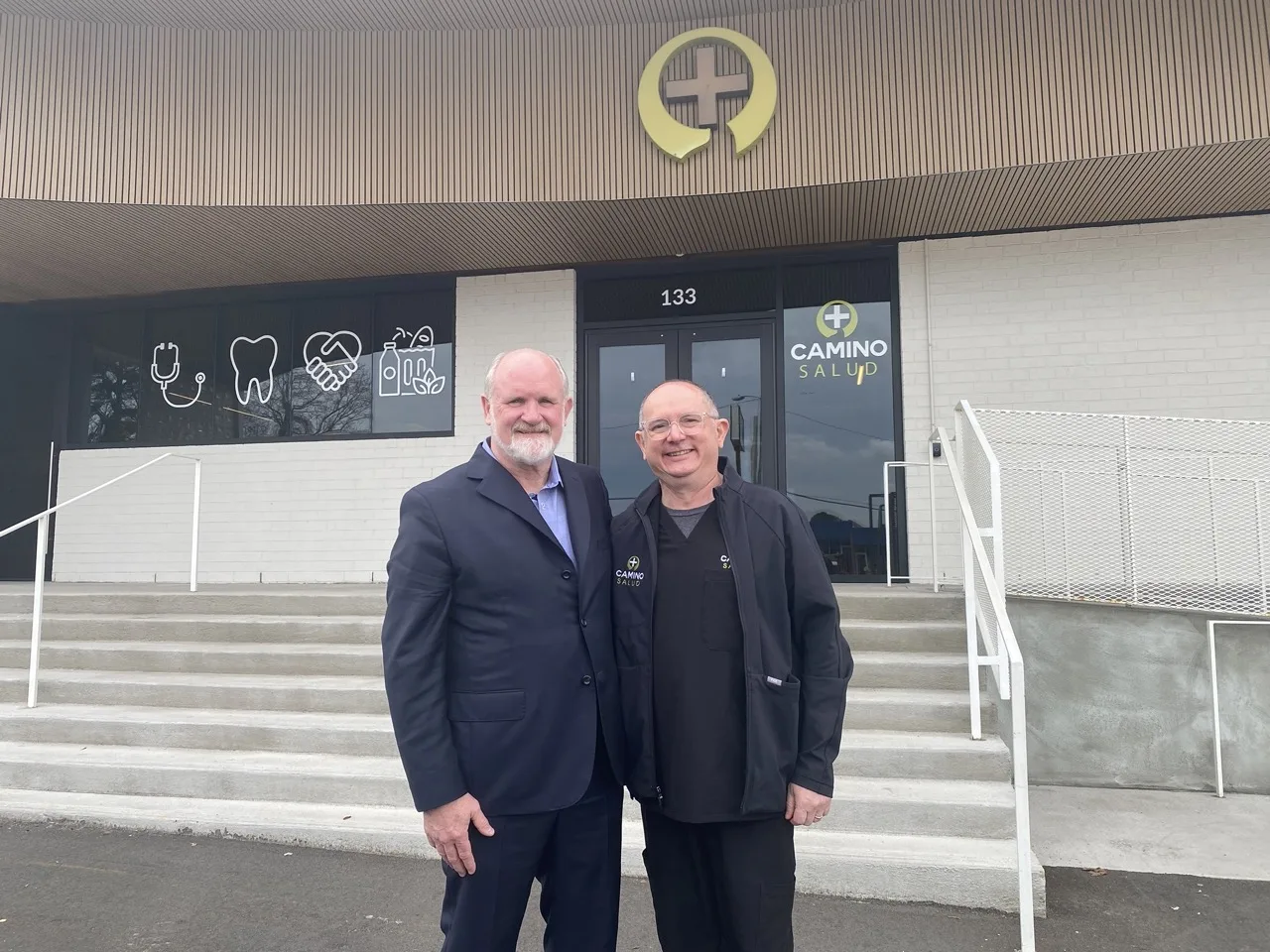
The recent renovation of Camino Salud, a 6,250-square-foot health clinic designed by architecture professor Marc Manack’s firm, SILO, exemplifies this commitment. The $2,150,000 construction project transformed a former industrial structure into a welcoming and functional space specifically designed to meet the needs of the Latino community. The Architect’s Newspaper highlighted the project’s success in creating a warm and inviting environment that fosters trust and encourages patients to seek care.
The arrival of Dr. Fernando Astorga, DDS, MS, to Camino Dental further strengthens the organization’s capacity to provide high-quality dental care. With over 30 years of experience in dentistry, Dr. Astorga brings a wealth of clinical expertise and a dedication to compassionate patient care. His presence underscores Camino’s commitment to attracting and retaining skilled professionals who share the organization’s values.
Addressing the Root Causes of Dental Health Disparities
While Camino Health Center provides a vital safety net for many, addressing the underlying causes of dental health disparities requires a multi-faceted approach. This includes expanding access to affordable dental insurance, increasing public awareness about the importance of preventative care, and addressing systemic barriers that prevent Latinos from accessing healthcare. Culturally competent healthcare providers who can effectively communicate with patients in their native language are essential in building trust and ensuring that individuals receive the care they need.
The issue extends beyond Charlotte, North Carolina, reflecting a national trend of healthcare disparities affecting the Latino community. According to data from the U.S. Department of Health and Human Services, Latinos are less likely to have dental insurance and more likely to experience untreated dental caries compared to other racial and ethnic groups. Addressing these disparities requires a concerted effort from policymakers, healthcare providers, and community organizations to ensure that all individuals have access to affordable, high-quality dental care.
Key Takeaways:
- Delayed dental care is a significant health concern within the Latino community, often stemming from financial constraints and lack of insurance.
- Unlicensed dental practitioners pose a serious risk to public health, offering potentially harmful services through social media.
- Organizations like Camino Health Center are working to bridge the gap in access by providing affordable, culturally sensitive dental care.
- Addressing dental health disparities requires a comprehensive approach that includes expanding insurance coverage, increasing awareness, and promoting culturally competent care.
Camino Health Center continues to expand its services and reach, offering a beacon of hope for the Latino community in Charlotte. The organization’s commitment to providing holistic, culturally sensitive care is a model for other communities seeking to address health disparities. Further updates on Camino’s initiatives and community impact can be found on their website, camino.org. We encourage readers to share this article and engage in a conversation about the challenges and solutions related to dental health access for the Latino community.
Related reading