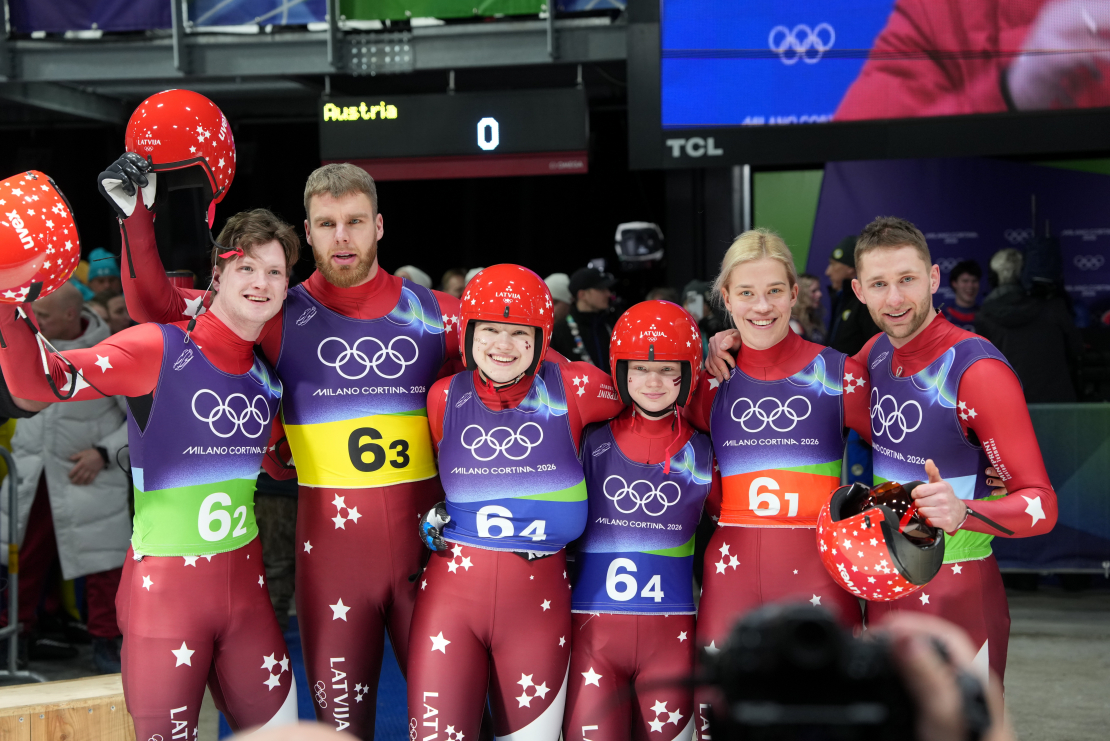
Latvian Olympic Athletes Faced Contractual Obligations Regarding Potential Sanctions
Riga, Latvia – In the lead-up to international competitions, including the Olympics, athletes representing Latvia were required to sign agreements with the Latvian Olympic Committee (LOK) outlining potential sanctions for rule violations. This practice, revealed by a report from Latvian television news program “Nekā personīga,” has sparked debate regarding the extent of the LOK’s authority and the potential chilling effect on athletes’ freedom of expression. The agreements, overseen by recently elected LOK President Raimonds Lazdiņš, raised concerns about potential restrictions on publicly expressing support for Ukraine, among other undefined infractions.
The agreements stipulated a range of potential penalties, including financial sanctions of up to €2,500, disqualification from events, and even being sent home from competitions. Beyond financial penalties, athletes faced the possibility of having transportation, accommodation, and preparation costs charged back to them, as well as the potential suspension of future funding. Notably, the Latvian Ministry of Education and Science was reportedly not informed about the implementation of these agreements, raising questions about transparency and oversight within the LOK. This situation unfolds against a backdrop of increasing tension surrounding the participation of Russian and Belarusian athletes in international sporting events.
Context of Rising Tensions and Athlete Activism
The implementation of these agreements coincides with a period of heightened geopolitical sensitivity, particularly concerning the ongoing conflict in Ukraine. Earlier in the year, Latvian and Ukrainian skeleton athletes protested the participation of Russian competitors at an event in Innsbruck, Austria, leading to intervention from organizers and even the involvement of local police. Ivo Šteinbergs, the coach of the Latvian skeleton team, has publicly voiced his support for Ukraine and criticized the decisions made by international sports federations regarding the inclusion of Russian athletes. The situation was further complicated by the disqualification of Ukrainian skeleton racer Vladyslav Heraskevych, who refused to cover a helmet adorned with the names of Ukrainian athletes and trainers killed in the war with Russia.
This incident, reported by Lasi.lv, highlighted the growing pressure on athletes to navigate the complex political landscape while competing internationally. The LOK’s actions appear to be a response to these tensions, aiming to preemptively address potential controversies and maintain Latvia’s standing within the international sporting community. However, critics argue that the agreements represent an infringement on athletes’ rights to freedom of expression and could stifle legitimate displays of solidarity with Ukraine.
Raimonds Lazdiņš and the New Direction of the LOK
Raimonds Lazdiņš was elected as the President of the Latvian Olympic Committee on June 4, 2024, securing 61 out of 107 votes in the General Assembly. According to reports from TV3.lv and Apollo.lv, he defeated Viesturs Koziols, Arnis Lagzdiņš, and Jānis Reirs in the election. Lazdiņš, who also serves as the vice-president of the Latvian Handball Federation and leads the political party “Platforma 21,” acknowledged a perceived disconnect within Latvian sports and pledged to bridge the gap. He stated, “As someone familiar with the sports world, I see that there has been too big a gap, and my task is to mend it.”
Lazdiņš has emphasized the importance of prioritizing the needs of athletes and coaches, and has dismissed suggestions of pre-election negotiations regarding the selection of LOK members. He asserted that discussions focused on improving LOK governance, clarifying objectives, and reforming the organization’s statutes. However, his political affiliations and past role as head of gas supply security at AS “Gaso” have drawn scrutiny, with some questioning his suitability for the position. He has committed to stepping down from his role within the Latvian Handball Federation following his election as LOK President.
Financial Implications and Potential for Abuse
The potential financial penalties outlined in the agreements have raised concerns about their fairness and potential for abuse. While the specific infractions triggering these sanctions remain undefined, the possibility of a €2,500 fine, coupled with the recovery of expenses, could create a significant financial burden for athletes, particularly those without substantial sponsorship or financial backing. The lack of clarity regarding what constitutes a violation leaves athletes vulnerable to subjective interpretation and potential arbitrary enforcement.
The agreements also raise questions about due process and the right to appeal. It is unclear whether athletes would have access to a fair and transparent process for challenging any sanctions imposed under the terms of the agreements. This lack of procedural safeguards could further exacerbate concerns about the potential for abuse of power by the LOK.
Broader Implications for Athlete Activism and International Sport
The situation in Latvia reflects a broader trend of increasing scrutiny and control over athlete expression in international sport. As athletes become more vocal about social and political issues, governing bodies are grappling with how to balance the principles of free speech with the need to maintain neutrality and avoid political interference. The International Olympic Committee (IOC) has faced criticism for its handling of athlete protests and its stance on the participation of Russian and Belarusian athletes.
The decision by Latvian para-athletes to abstain from participating in the opening ceremony of the Paralympic Games alongside athletes from Russia and Belarus further underscores the sensitivity of this issue. This act of solidarity with Ukraine demonstrates the willingness of athletes to grab a stand against what they perceive as injustice, even at the expense of their participation in major sporting events. The Latvian case highlights the challenges faced by national Olympic committees in navigating these complex issues and balancing the competing interests of athletes, governments, and international sporting organizations.
The agreements signed by Latvian athletes represent a significant development in the ongoing debate about athlete activism and the role of sport in a politically charged world. The lack of transparency surrounding the agreements and the potential for arbitrary enforcement raise serious concerns about the protection of athletes’ rights and the integrity of the Latvian Olympic Committee. As the situation continues to unfold, it will be crucial to monitor the LOK’s actions and ensure that athletes are afforded due process and the freedom to express their views without fear of reprisal.
Further developments are expected as the Latvian Olympic Committee clarifies the specifics of the agreements and responds to the growing criticism. The LOK has not yet issued a comprehensive statement addressing the concerns raised by athletes and the public. Readers are encouraged to share their thoughts and engage in constructive dialogue on this important issue in the comments section below.
Keep reading