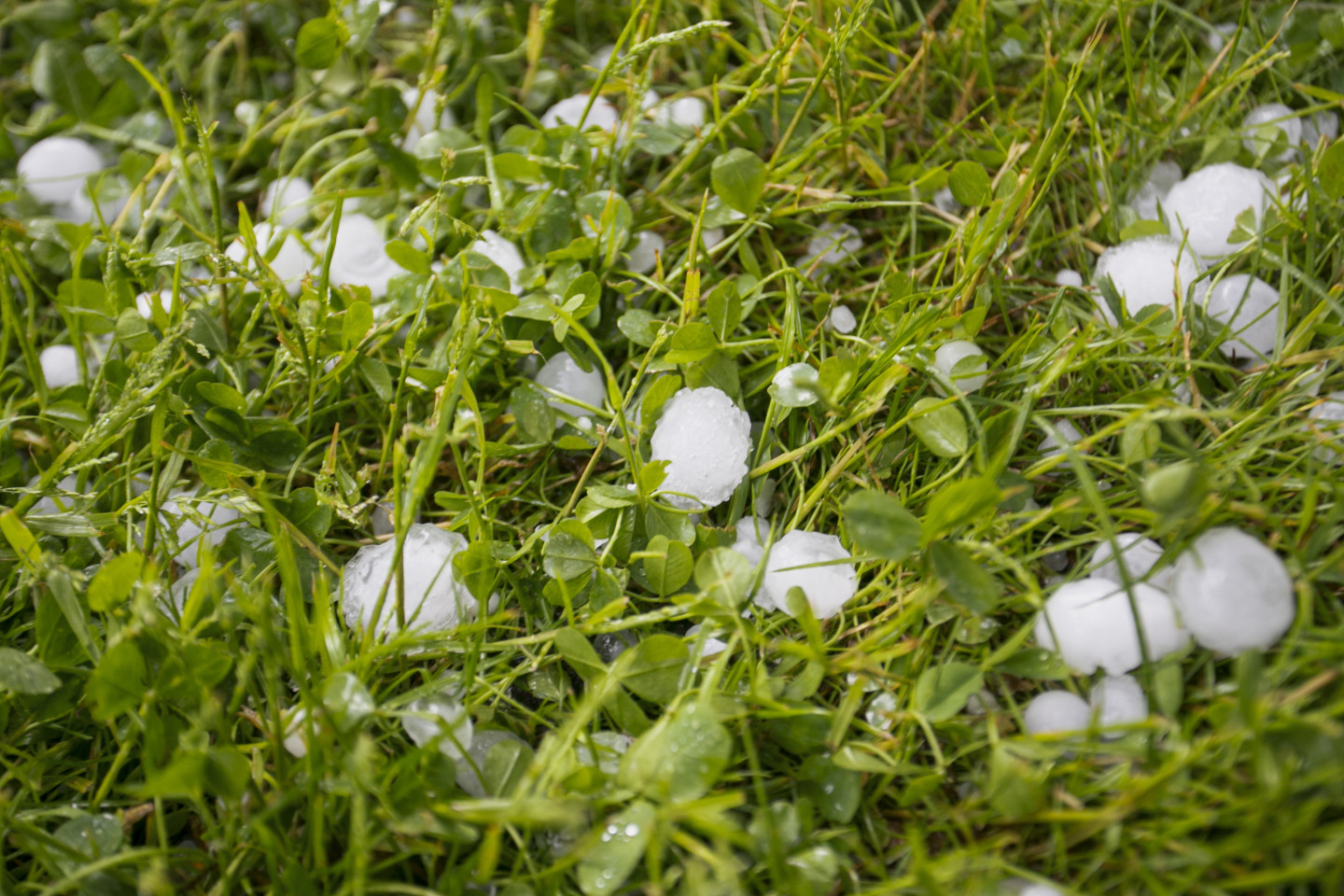
Latvia is currently facing a period of volatile weather, with meteorological authorities monitoring a series of storms and high-wind events impacting the country. As the Baltic nation navigates these atmospheric conditions, residents are being advised to remain vigilant, particularly as conditions shift rapidly across different regions, including the Vidzeme district and the capital, Riga.
The current weather pattern, characterized by strong wind gusts and localized hail, follows a week of unsettled conditions across the region. According to official meteorological assessments, the country has been subject to sustained periods of high-velocity winds that have necessitated precautionary measures from safety officials. For those planning travel or outdoor activities, the Latvian Environment, Geology and Meteorology Centre provides the most accurate, real-time updates regarding weather alerts and potential hazards.
Understanding the Weather Impact
The recent meteorological activity, including reports of hail and heavy storms in the Vidzeme region, highlights the typical volatility of spring weather in Northern Europe. Weather systems moving across the Baltic states often bring rapid changes in temperature and precipitation. When these systems interact with local geography, they can produce localized, high-intensity events that differ significantly from broader regional forecasts.

In urban centers like Riga, the implementation of yellow-level weather warnings serves as a standard procedure to ensure public safety. These warnings are triggered when expected weather conditions—such as strong winds or heavy rainfall—pose a potential risk to infrastructure, transport, and public events. The national meteorological service maintains active monitoring of these systems, adjusting alert levels as data from radar and satellite imagery is updated throughout the day.
Regional Safety and Preparedness
For residents and visitors in Latvia, staying informed through official government channels is the most effective way to navigate these conditions. When a yellow alert is in effect, authorities typically recommend securing loose items outdoors, avoiding tree-lined areas during peak wind gusts, and monitoring local traffic reports for potential disruptions caused by fallen branches or debris.
The current cycle of wind and precipitation is expected to fluctuate, with periods of relative calm followed by intensifying gusts. Because these weather systems are dynamic, the duration of warnings can change on short notice. Residents are encouraged to:
- Regularly check the official weather warning portal for the latest updates.
- Exercise caution while driving, particularly on secondary roads in rural or forested areas where wind impact can be more pronounced.
- Follow guidance from local civil protection authorities if emergency conditions arise.
Contextualizing Baltic Weather Trends
Latvia, situated on the eastern shore of the Baltic Sea, experiences a temperate climate that is heavily influenced by maritime air masses. The country’s topography—largely composed of low-lying plains and rolling hills—means that weather systems can move across the landscape with minimal obstruction, often resulting in swift transitions in local weather. While such storms are a recurring feature of the region’s climate, the precision of modern meteorological forecasting allows for earlier warnings and better public preparedness compared to previous decades.
As we move into the coming days, the primary focus remains on the transition of air masses and the potential for residual wind gusts. While the immediate threat of severe storm activity may subside, the lingering effects of high winds can continue to impact local conditions. Monitoring the official government portal for broader civil safety information remains the best practice for those seeking to understand the full scope of the current environmental situation.
We will continue to monitor the situation as further updates become available from meteorological services. Readers are encouraged to share this information with those in affected areas and to consult local emergency services if they encounter hazardous conditions. We welcome your thoughts and local observations in the comments section below.
Worth a look