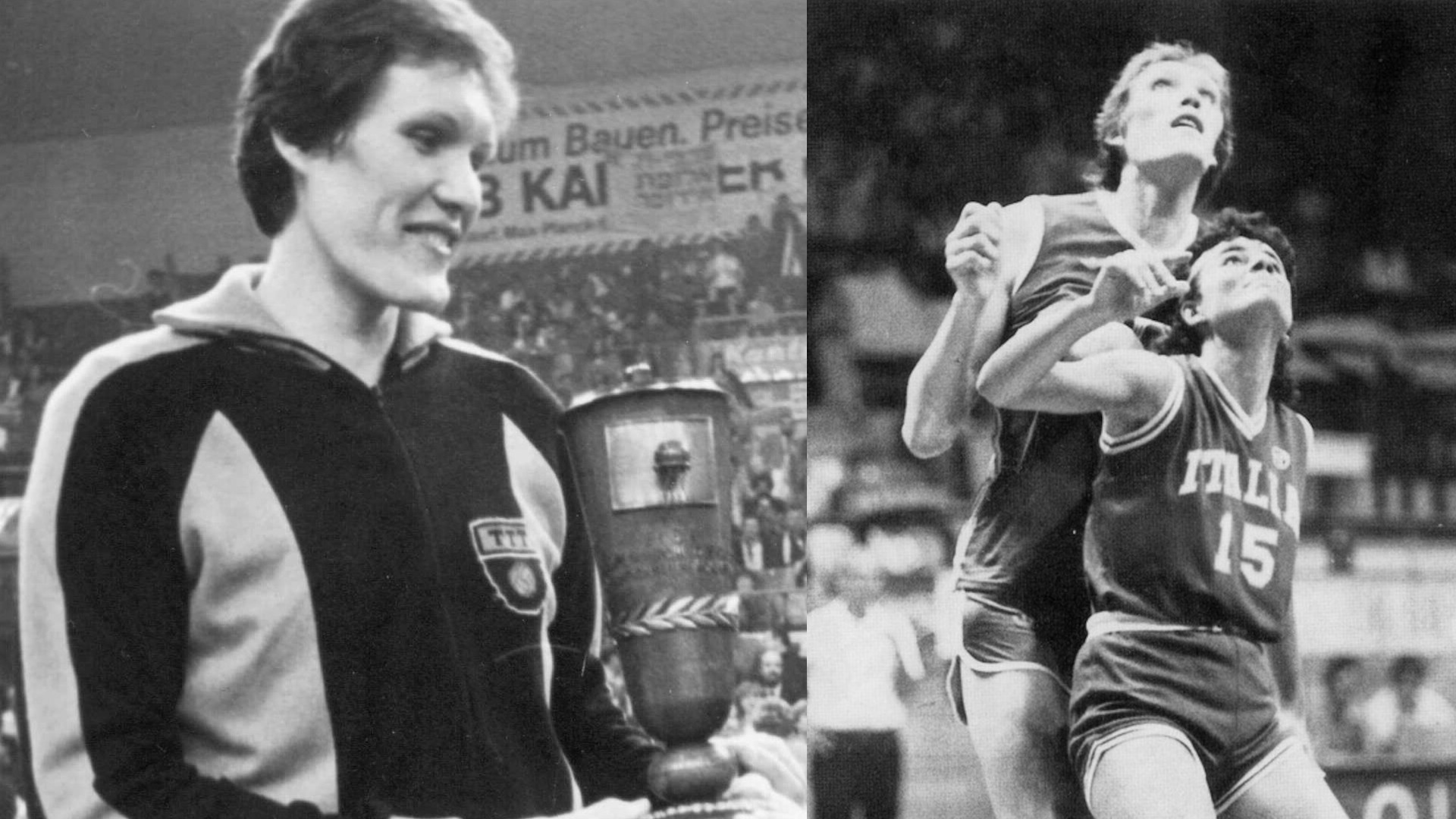
The intersection of athletic dominance and cinematic artistry has found a new focal point at the 79th Cannes Film Festival. In a world where sports biopics often lean on predictable tropes, the premiere of Uļa film Cannes entry marks a sophisticated departure, blending the grit of Soviet-era athletics with a deeply personal search for identity.
Directed by Latvian filmmaker Viesturs Kairišs, “Uļa” has been selected for the prestigious Un Certain Regard competition. This section of the festival is specifically reserved for films that are original and daring, offering a platform for narratives that challenge conventional storytelling. For the sports world, “Uļa” is more than a movie; it is a study of how physical anomalies—specifically an unusual height—can transform a social liability into a global superpower.
As a sports editor who has spent over a decade analyzing the psychology of elite athletes, I find the narrative arc of “Uļa” particularly compelling. The film focuses on the early life of Uļjana Semjonova, a woman whose presence on the basketball court was nothing short of revolutionary. Semjonova did not just play the game; she redefined the spatial dynamics of women’s basketball during the Soviet era, becoming a symbol of Latvian sporting excellence on the international stage.
The production is a significant cultural milestone, representing a collaborative effort between the three Baltic states—Latvia, Estonia and Lithuania—and Poland. This regional synergy mirrors the collective sporting spirit of the Baltics, a region that has historically punched far above its weight in global athletics, particularly in basketball.
The Struggle of Identity and the Old Believers Community
At its core, “Uļa” is not a traditional “rags-to-riches” sports story. Instead, it is a nuanced exploration of alienation. The film is set in the late 1960s in rural Latvia, where the protagonist, Uļa, grows up within the Old Believers community. This group, consisting of Russian Orthodox Christians who rejected the church reforms of the 17th century, often lived in isolated, traditionalist pockets of society.
For a teenage girl in such a conservative, secluded environment, Uļa’s towering height was not viewed as an athletic asset, but as a source of confusion and familial concern. The film captures the psychological weight of feeling “out of place” in one’s own home, highlighting the tension between religious tradition and the encroaching modernity of the Soviet sports machine.
The narrative pivot occurs when a simple class photograph reaches the eyes of basketball coaches. This moment serves as the catalyst for Uļa’s transition from a remote farm to the urban intensity of Riga. The journey is as much about geography as it is about self-acceptance. The film meticulously tracks her evolution from a confused teenager, doubting her place in the world, to a world-class athlete who learns to weaponize the highly height that once marginalized her.
Creative Vision: A Bold Casting Choice
One of the most discussed aspects of the film is the creative decision regarding the lead role. The protagonist is portrayed by Latvian actor Kārlis Arnolds Avots, who also co-wrote the script alongside Livia Ulman and Andris Feldmanis. This choice suggests a conceptual approach to the biography, focusing perhaps more on the internal experience of identity and the “feeling” of being an outsider than a literal, mimetic recreation of Semjonova’s life.

Viesturs Kairišs, known for his ability to weave historical context with intimate human drama, utilizes the cinematography of Wojtek Staron to contrast the claustrophobic, earth-toned atmosphere of the rural Old Believer settlement with the expansive, echoing halls of the basketball arenas in Riga. This visual language emphasizes the scale of Uļa’s growth—both physically and emotionally.
From an editorial perspective, the decision to involve the actor in the screenwriting process often results in a more grounded performance. By shaping the narrative from the inside out, the production avoids the pitfalls of hagiography, instead presenting a protagonist who is vulnerable and uncertain before she becomes legendary.
The Sporting Legacy of Uļjana Semjonova
To understand the weight of this film, one must understand the actual impact of Uļjana Semjonova on the game of basketball. In the context of the 20th century, Semjonova was a titan. Her dominance in the paint was absolute, and her career with the Soviet national team and various clubs cemented her as one of the most formidable centers in the history of the women’s game.
Her career coincided with an era where the Soviet Union invested heavily in sports as a tool of geopolitical prestige. However, for the Latvian people, Semjonova was more than a Soviet asset; she was a national icon. Her ability to excel on the world stage provided a sense of pride and visibility for Latvia during a period of political complexity.
The film “Uļa” captures this intersection of personal ambition and national identity. By focusing on her formative years, the movie explores the “cost” of greatness—the isolation that often accompanies extreme talent and the courage required to step out of a sheltered community into the blinding lights of international competition.
Why ‘Uļa’ Matters for Global Sports Cinema
For too long, sports cinema has been dominated by North American narratives. “Uļa” brings a necessary European perspective to the genre, highlighting the specific cultural textures of the Baltics and the unique pressures of the Soviet sporting system. It moves the conversation away from simple victory and defeat, focusing instead on the sociology of the athlete.

The film’s selection for the Cannes Film Festival validates the idea that sports stories can be high art. When a film examines the “search for identity” through the lens of a basketball player’s height, it transcends the sport itself and becomes a universal story about the human struggle to fit in—and the eventual realization that not fitting in is exactly what makes one extraordinary.
As the festival progresses, the industry will be watching to see how “Uļa” fares against its competition in the Un Certain Regard section. With its blend of historical drama, religious exploration, and athletic triumph, it stands as a testament to the enduring power of the underdog story, even when the underdog is the tallest person in the room.
The next major milestone for the film will be the announcement of the Un Certain Regard award winners at the conclusion of the festival. Following its Cannes premiere, the film is expected to move toward a broader international release, bringing the story of Latvia’s basketball legend to a global audience.
Do you think sports biopics should focus more on the athlete’s internal struggle than their on-court achievements? Share your thoughts in the comments below.