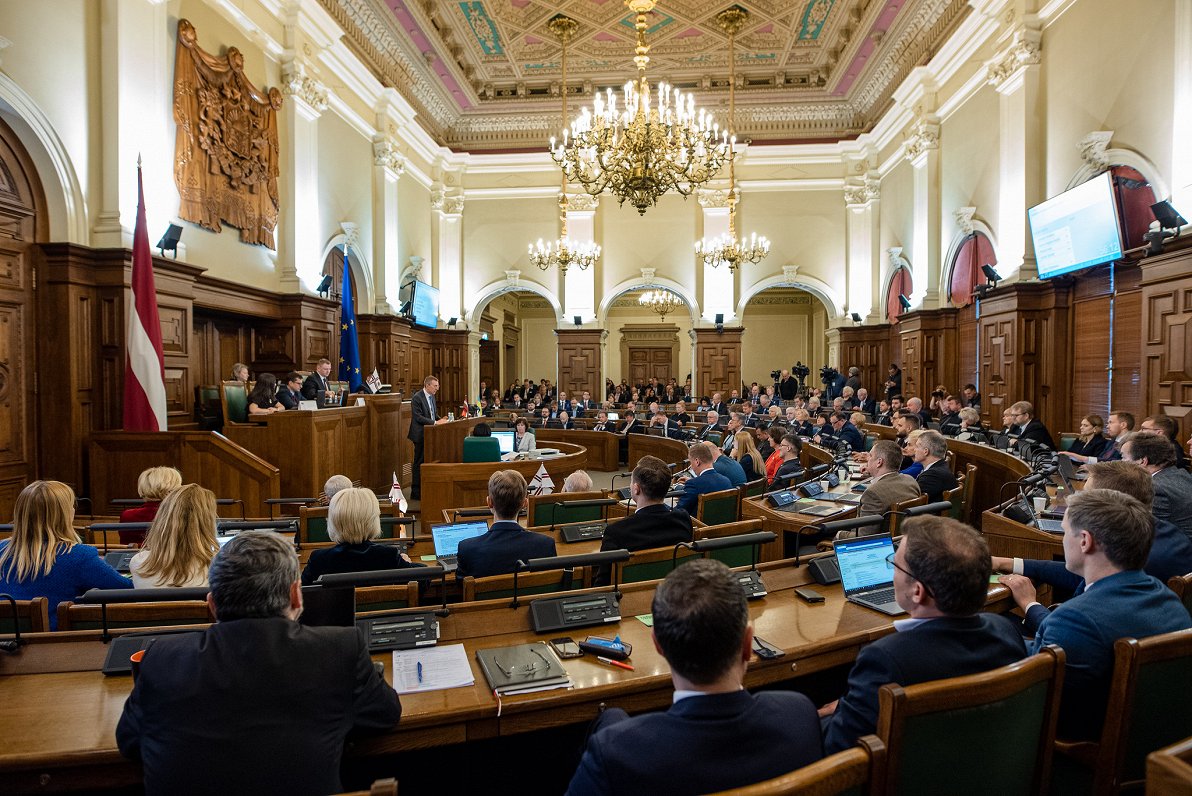
As Latvia approaches its next parliamentary cycle, the political landscape is shifting into a higher gear. With the official pre-election agitation period for the 15th Saeima elections set to commence, both political parties and the electorate are preparing for a season of heightened scrutiny and campaign activity. This period is a critical component of the democratic process in Latvia, governed by established legislative frameworks designed to ensure transparency and fairness in the lead-up to the casting of ballots.
The upcoming election, scheduled for the first Saturday in October 2026, will determine the composition of the 100-member Saeima, the country’s unicameral parliament. Under the proportional representation system currently in force, parties and alliances must secure at least 5% of the nationwide vote to be eligible for seat allocation in the five multi-member constituencies. For voters and stakeholders alike, understanding the rules governing this window of political activity is essential for navigating the weeks ahead as parties finalize their platforms and engage the public.
Understanding the Legal Framework for Campaigning
The regulation of political activity in Latvia is not merely a formality but a structured legal requirement overseen by the Central Election Commission. According to the Saeima Election Law, the process is designed to maintain a level playing field for all registered candidate lists. The law stipulates that citizens who have reached the age of 18 by election day have the right to vote, while those aged 21 and older may stand as candidates, provided they meet the eligibility criteria outlined in the legislation.
Key restrictions remain in place to protect the integrity of the electoral process. For instance, individuals recognized as lacking the capacity to act or those currently serving court-imposed sentences in penitentiaries are excluded from participating as candidates. The law explicitly prohibits those who have held salaried positions in the state security, intelligence, or counterintelligence services of the USSR, the Latvian SSR, or other foreign entities from inclusion on candidate lists. These measures, codified in Chapter I of the Saeima Election Law, serve as the foundational constraints for the electoral season.
The Significance of the Agitation Period
The commencement of the official agitation period marks the timeframe during which political messaging is subject to specific regulatory oversight. This phase is intended to provide voters with a clear window to assess the platforms of competing parties. While the term “agitation” may imply traditional rally-style campaigning, in the modern digital age, it encompasses a broad spectrum of communication, including broadcast media, social media advertising, and public displays of political messaging.
Regulatory bodies in Latvia have emphasized that the identification of indirect pre-election agitation does not strictly require a direct or explicit call to vote for a specific candidate. Rather, the content and timing of the communication are taken into account when determining whether an entity is engaging in campaign activities. This distinction is vital for political actors who must ensure that their media presence complies with the requirements set forth for the pre-election period to avoid potential administrative penalties or scrutiny from the authorities.
What Lies Ahead for the 15th Saeima
As the campaign season officially begins, the focus naturally shifts to the 15th Saeima and the potential for a shift in the governing coalition. The current political climate in Latvia is defined by a desire for stability and effective governance, as the nation navigates both domestic economic priorities and international commitments. The transition from the 14th Saeima to the 15th represents a pivotal moment for the country, as voters will have the opportunity to signal their preferences for the future direction of the government.
For the average citizen, the coming months will involve a high volume of political information. The Central Election Commission remains the primary authority for providing updates on the electoral process, including information on polling locations, voter registration, and the final list of candidates. Citizens are encouraged to consult official portals for verified information regarding their rights and the procedures for the October vote. Staying informed through these official channels is the most reliable way to navigate the complexities of the campaign season.
Next Steps for Voters
The next major checkpoint in this electoral timeline is the formal filing and publication of candidate lists, which will provide the definitive slate of options for the electorate. Following this, voters will have the opportunity to review the platforms and track records of those seeking office. As we move closer to the first Saturday in October 2026, the focus will remain on the integrity of the voting process and the importance of civic participation.
We invite our readers to share their perspectives on the upcoming developments as we continue to track the progress of the 15th Saeima election cycle. Your engagement is a vital part of the journalistic process. Please feel free to comment below or share this report with your networks as we provide ongoing coverage of these significant political events.
Worth a look