
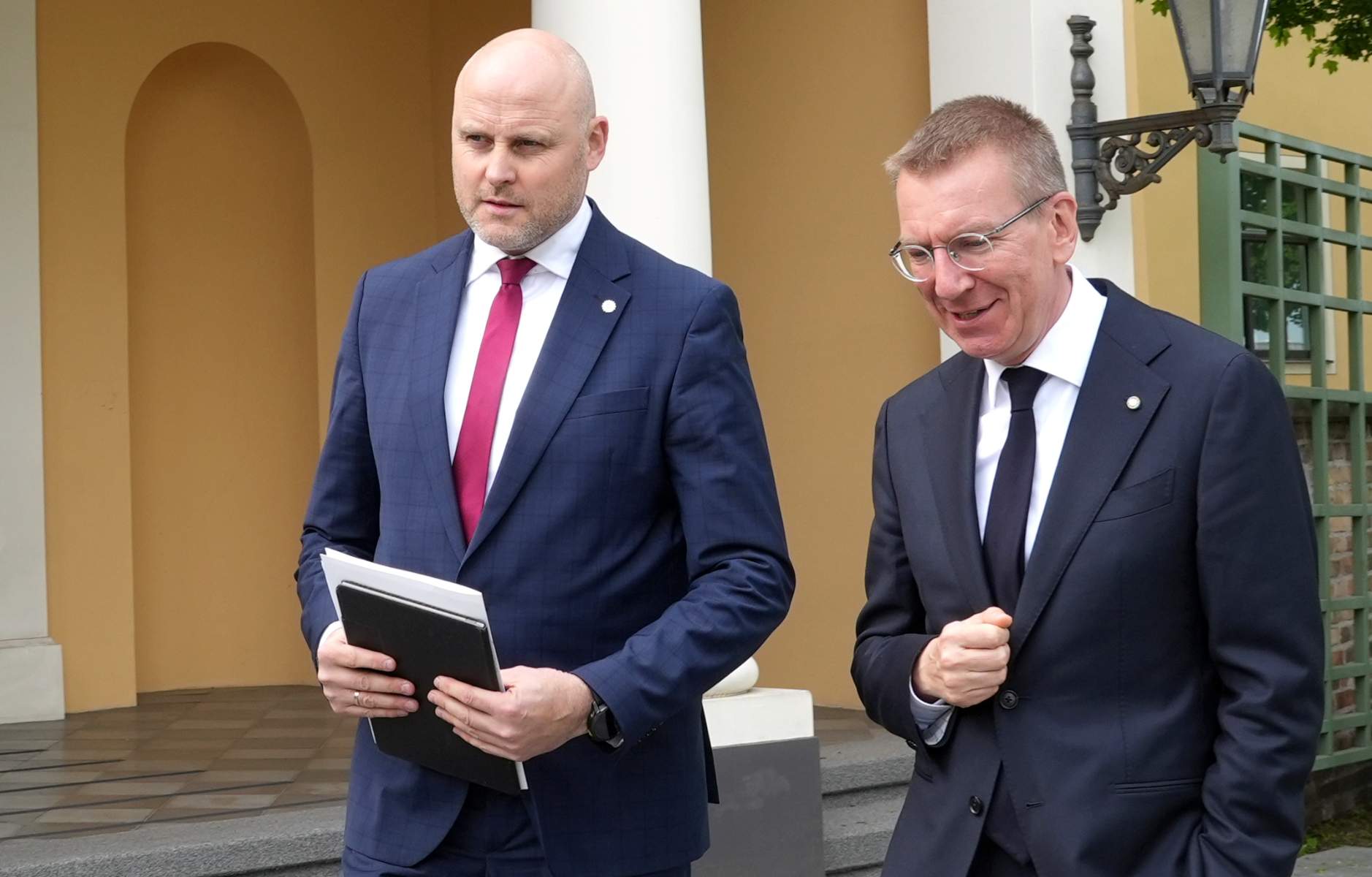
Latvia’s political landscape is entering a period of significant recalibration as the newly appointed government, led by Prime Minister Edgars Kulbergs, begins its tenure. Following its formal approval by the Saeima, the administration faces the immediate challenge of navigating a complex four-party coalition while addressing a palpable sense of friction within the state apparatus. President Edgars Rinkēvičs has publicly cautioned that the path ahead will be fraught with negotiation, highlighting the inherent difficulties of balancing diverse party interests in the lead-up to future electoral cycles.
The appointment of the Kulbergs cabinet comes at a time when the relationship between political leadership and the professional civil service is under intense scrutiny. President Rinkēvičs has identified a “crisis of trust” within state administration, a sentiment that has reverberated across Riga’s political corridors. This internal tension, compounded by the realities of a multi-party governing structure, suggests that the administration’s legislative agenda—particularly regarding economic reform and regional development—will require a high degree of diplomatic finesse to move forward effectively.
Navigating the Four-Party Coalition Dynamics
The core challenge for Prime Minister Kulbergs lies in maintaining cohesion among the four distinct political entities that comprise his coalition. In a parliamentary system like Latvia’s, the necessity of consensus-building is paramount, yet the proximity of upcoming elections often incentivizes parties to prioritize distinct messaging over unified governance. President Rinkēvičs noted that reaching agreement on contentious policy decisions will be anything but straightforward, as each coalition partner seeks to satisfy its own voter base while maintaining the stability of the executive branch.

For observers of Baltic politics, this dynamic is familiar. The Saeima, Latvia’s unicameral parliament, has historically seen coalition governments grapple with the delicate balance between ideological purity and the pragmatic requirements of statecraft. As the government pivots to address the “trust crisis” mentioned by the President, the focus will likely shift toward administrative transparency and the streamlining of public sector operations to bridge the gap between policy makers and career civil servants.
Prioritizing Regional Development: The Latgale Focus
A notable early initiative from the Kulbergs administration is the stated intention to engage more directly with the regions, specifically Latgale. In an effort to address long-standing concerns regarding geographic and economic inequality, the Prime Minister has signaled plans to hold mobile cabinet meetings outside of the capital. This approach is designed to foster a more inclusive dialogue with citizens who have historically felt disconnected from the decision-making processes in Riga.
The Cabinet of Ministers plays a critical role in decentralizing the impact of national policy. By moving the seat of government activity to the regions, the administration aims to demonstrate a commitment to national cohesion. However, the success of this strategy will depend on the government’s ability to move beyond symbolic gestures and deliver tangible improvements in infrastructure, employment, and public services for the residents of the Latgale region.
The “Trust Crisis” and Administrative Reform
The tension between political appointees and the permanent bureaucracy is a recurring theme in Latvian governance. President Rinkēvičs has emphasized that the effectiveness of the state depends on the health of this relationship. When political objectives are misaligned with bureaucratic processes, the result is often legislative inertia. The current administration’s stated goal of addressing this friction is a significant development, as it touches upon the fundamental efficiency of the Latvian state.
According to reports on the current political climate, the administration is expected to focus on accountability measures that allow for better communication between ministries and their respective departments. The objective is to restore confidence in the machinery of government, ensuring that policies enacted in the Saeima are implemented with precision and professional integrity. This represents not merely an internal administrative matter; it is a prerequisite for public trust, which remains a key metric of success for any democratic government.
Key Considerations for the Coming Months
- Coalition Management: Balancing the competing priorities of four distinct political parties during an electoral lead-up.
- Regional Engagement: The planned mobile cabinet sessions aimed at addressing the socio-economic needs of Latgale.
- Civil Service Relations: Mitigating the “trust crisis” to ensure the effective implementation of government policy.
- Legislative Momentum: Maintaining progress in the Saeima despite the potential for frequent “disputes and discussions,” as anticipated by the head of state.
Looking Ahead: What Happens Next?
As the Kulbergs government settles into its mandate, the next major checkpoint will be the presentation of the cabinet’s specific policy roadmap and the subsequent budgetary reviews. These documents will provide the clearest indication of how the administration intends to reconcile its coalition agreements with the practical constraints of the state budget and the administrative challenges identified by the President.

The political environment in Latvia remains fluid, and the coming months will be a test of the government’s resilience. For citizens and international observers alike, the focus will remain on whether the cabinet can translate its stated intentions into sustained, effective governance. Updates on parliamentary sessions and official government decrees can be monitored through the official portal of the Cabinet of Ministers of the Republic of Latvia, which serves as the primary source for legislative and executive announcements.
We welcome your perspective on these developments. As the situation evolves, we will continue to provide in-depth analysis of the legislative and political shifts in Riga. Please share your thoughts in the comments below or join the conversation on our social media platforms.