The Supreme Court of India has declined to grant bail to a female student arrested in connection with the violence that erupted in Noida, emphasizing the necessity of adhering to the established judicial hierarchy. During the hearing, the bench questioned the legal strategy of approaching the apex court directly, asking the petitioner’s counsel, “Why don’t you go to the High Court?”
This procedural refusal highlights a critical aspect of the Indian legal system: the principle of exhausting lower court remedies before seeking intervention from the nation’s highest judicial body. The student, among others arrested during the unrest, had sought immediate relief from the Supreme Court, but the bench maintained that the High Court is the appropriate forum for such bail applications following a denial by the trial court.
The case has drawn significant attention to the intersection of student activism, law enforcement responses to public unrest, and the rigid procedural requirements of the Indian judiciary. For a global audience, this development serves as a case study in how the Indian legal system balances individual liberty with the procedural mandates of its tiered court structure.
As the legal battle shifts toward the High Court, the incident underscores the precarious position of student detainees in high-profile violence cases, where the path to freedom is often obstructed not only by the severity of the charges but by the complex navigation of jurisdictional boundaries.
The Judicial Hierarchy and the ‘High Court First’ Mandate
The Supreme Court’s query—”Why don’t you go to the High Court?”—is more than a simple question. it is a reflection of the doctrine of exhaustion of remedies. In the Indian judicial architecture, the hierarchy typically flows from the Magistrate or Sessions Court to the High Court of the respective state, and finally to the Supreme Court of India. When a bail plea is rejected by a lower court, the standard legal recourse is to approach the High Court before escalating the matter to the apex court.
By directing the student’s counsel toward the High Court, the Supreme Court is reinforcing the role of High Courts as the primary appellate authorities for bail matters. The apex court generally reserves its intervention for cases involving substantial questions of law, gross violations of fundamental rights, or exceptional circumstances where the High Court’s intervention would be futile. In this instance, the court found no such exceptional grounds to bypass the intermediate level of the judiciary.
Legal experts note that this approach prevents the Supreme Court from becoming overwhelmed by routine bail applications, ensuring that it can focus on constitutional interpretations and landmark precedents. For the accused student, this means an additional layer of litigation and a potential delay in securing release, as she must now file a fresh petition in the High Court.
Contextualizing the Noida Violence and Arrests
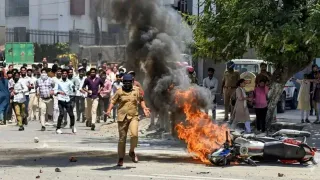
The arrests stem from a period of volatility in Noida, where protests escalated into clashes between demonstrators and security forces. While the specific triggers for the violence vary across different reports, the resulting crackdown saw several individuals, including students from Delhi and surrounding regions, being detained under stringent charges.
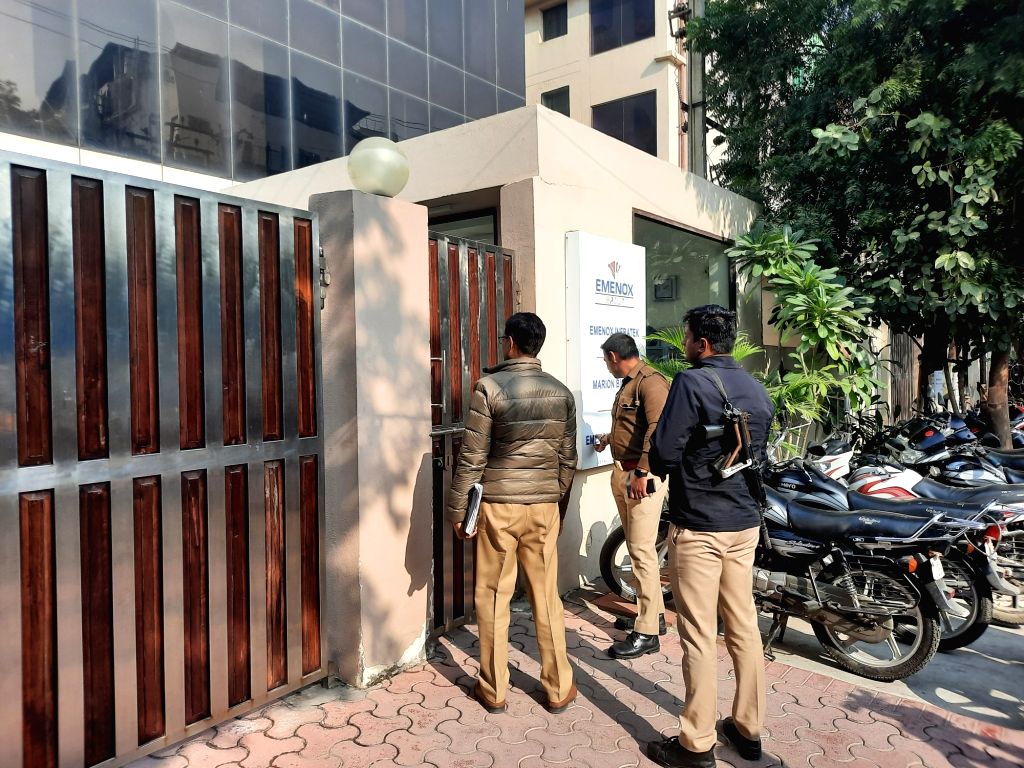
Among those arrested are Aakriti and Srishti, both residents of Delhi, who have been implicated in the unrest. The prosecution’s case typically involves allegations of rioting, unlawful assembly, and obstructing public servants from performing their duties. The arrest of students often sparks debate regarding the proportionality of the state’s response and the use of preventive detention or harsh charges to quell student-led dissent.
The investigation into the Noida violence has been characterized by the use of digital evidence, including CCTV footage and social media activity, to identify participants. The court has previously allowed lawyers to be present during certain stages of the investigation to ensure a degree of transparency, though the primary focus remains on the evidence gathered by law enforcement agencies.
Legal Challenges for Student Detainees
The predicament faced by the students in the Noida case is reflective of a broader trend in Indian jurisprudence regarding “political” or “protest-related” arrests. Students often face a challenging road to bail due to the nature of the charges—often involving sections of the Indian Penal Code (now transitioning to the Bharatiya Nyaya Sanhita) that relate to disturbing public peace or inciting violence.
One of the primary hurdles is the trial court’s tendency to deny bail in the early stages of an investigation, citing the need to prevent witnesses from being intimidated or to ensure that the accused does not flee. When these pleas are rejected, the transition to the High Court can take weeks or months, during which the detainees remain in custody. The attempt to jump directly to the Supreme Court is often a desperate measure by defense teams to expedite the process, though as seen in this case, it is rarely successful without a compelling constitutional reason.
the gender of the accused can sometimes play a role in bail considerations, as courts often show more leniency toward women. However, in cases involving allegations of organized violence or “anti-social” activities, the court’s focus shifts from the personal profile of the accused to the perceived threat to public order.
What This Means for the Accused and Their Families
For the families of Aakriti and Srishti, the Supreme Court’s refusal is a significant setback. The psychological and financial toll of prolonged incarceration, combined with the stress of navigating multiple court levels, is substantial. The directive to approach the High Court effectively resets the clock on the bail process.
From a strategic standpoint, the defense must now tailor their arguments for the High Court, focusing on the lack of specific evidence linking the students to violent acts, their status as students with no prior criminal record, and the potential impact of continued detention on their academic careers. The High Court will examine whether the trial court’s refusal to grant bail was based on sound legal reasoning or if it was an arbitrary decision.
The case also highlights the importance of experienced legal counsel who can navigate the nuances of “forum shopping”—the practice of trying to find a more favorable court. The Supreme Court’s stern reminder about the judicial hierarchy serves as a warning to legal practitioners against bypassing the established order without airtight justification.
Understanding the Indian Judicial Process: A Global Perspective
To an international observer, the insistence on a specific sequence of courts may seem like bureaucratic redundancy. However, this structure is designed to filter cases and ensure that the highest court is not burdened with factual disputes that can be resolved at a regional level. In many common law jurisdictions, the process is similar, although the speed of movement between courts varies.

In India, the “special leave petition” (SLP) is the primary mechanism through which the Supreme Court hears cases. An SLP is a request for the court to grant special permission to appeal a decision. When the court refuses to entertain a plea—as it did here—it is often because the petitioner has not followed the “due process” of seeking relief from the High Court first. This maintains the authority and the workload balance of the High Courts, which are the highest judicial authorities within their respective states.
The tension in this case lies between the urgency of personal liberty (the right to bail) and the rigidity of legal procedure. While the human cost of detention is high, the judiciary maintains that the rule of law depends on the consistent application of procedure, regardless of the profile of the accused.
Next Steps and Legal Outlook
The immediate next step for the defense is the filing of a bail application in the relevant High Court. This application will likely argue that the detention is unnecessary for the purposes of the investigation and that the students are not a flight risk.
If the High Court also denies bail, the defense may then return to the Supreme Court with a much stronger case, as they will have then “exhausted” all lower remedies. At that stage, the Supreme Court would be more likely to intervene, as the petitioner would have a documented history of denials from both the trial and appellate courts.
The outcome of this case will be closely watched by student organizations and human rights advocates, as it reflects the current judicial climate toward young activists and the strictness with which procedural laws are being applied in the wake of public unrest.
The next confirmed checkpoint in this legal journey will be the filing and subsequent hearing of the bail plea in the High Court. Until then, the students remain in custody, awaiting a decision from the state’s highest judicial authority.
World Today Journal continues to monitor the legal developments of this case. We invite our readers to share their perspectives on the balance between judicial procedure and individual liberty in the comments below.