
The political landscape in Debrecen has been thrown into turmoil as a series of leaked audio recordings have sparked allegations of election manipulation and illicit collusion. The controversy, centered on the 2026 election cycle, has pitted the Tisza party against the governing Fidesz party in a high-stakes battle over the integrity of the local democratic process.
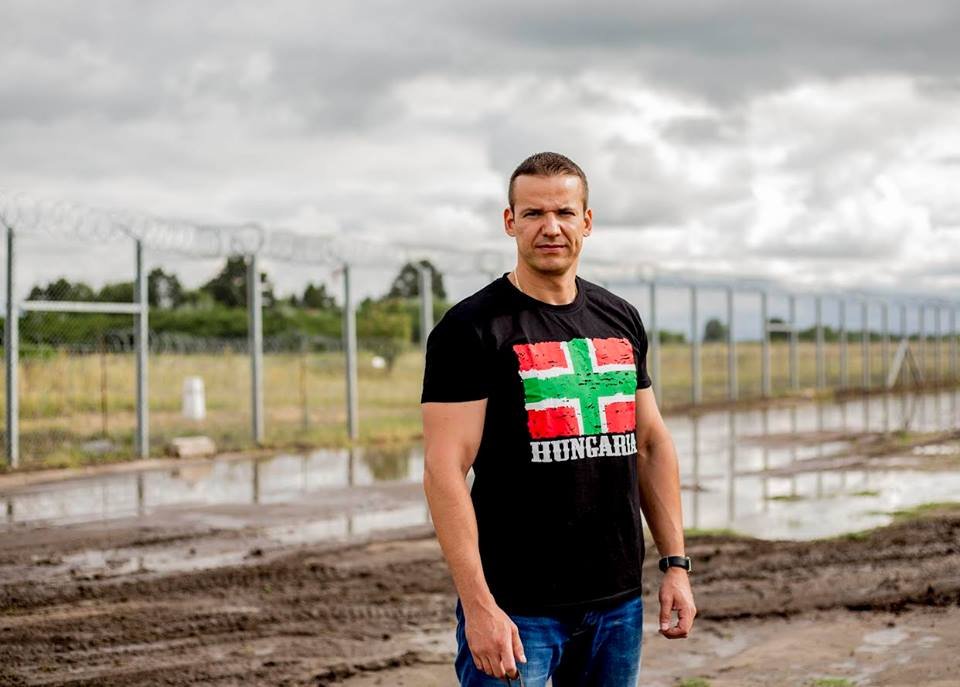
At the heart of the Debrecen audio recordings scandal is Zsolt Tárkányi, the local candidate for the Tisza party, who has released recordings that he claims expose a pattern of “vote buying” and strategic cooperation between political rivals. These revelations have prompted swift and aggressive denials from Fidesz leadership, who characterize the recordings as sophisticated fabrications designed to mislead the electorate.
The tension arrives at a critical juncture for the region. On March 29, 2026, Lajos Kósa, a Member of Parliament and prominent Fidesz figure, framed the upcoming vote as a choice between stability and risk, stating on Facebook that while Fidesz represents “peace and security,” the Tisza Party represents “danger and risk” Kósa Lajos Facebook Post. However, the release of these recordings has shifted the conversation from policy to political ethics.
Allegations of Fidesz-Jobbik Collusion
One of the most contentious recordings released by Tárkányi allegedly captures a conversation involving Lajos Barcsa, the Fidesz candidate for the district and Debrecen’s deputy mayor. According to the recording, Barcsa discusses a surprising level of cooperation with Zsolt Kiss, a candidate from the Jobbik party HVG Report on Debrecen Recordings.
The audio suggests that Barcsa was not merely aware of Kiss’s campaign strategy but was actively involved in it, specifically claiming to have authored the slogan for Kiss’s campaign posters. These posters prominently feature messages urging voters to say “no” to battery plants and specifically calling for the closure of the CATL facility HVG Report on Debrecen Recordings. The recording further implies a level of irony or deception, as the voices on the tape discuss how the message to voters is contradictory, given that Kiss is the individual negotiating with the Chinese interests involved in the plant.
The recording also highlights a concern for secrecy. At the beginning of the conversation, Barcsa reportedly asks whether the parties are communicating via Signal, an application known for its encrypted messaging capabilities, suggesting the participants were aware that their discussion should remain confidential HVG Report on Debrecen Recordings. Tárkányi has claimed that the conversation was captured by a third party using a separate mobile device.
Reports of Vote Buying and Food Packages
In addition to the collusion claims, further reports have emerged regarding a separate recording. These reports suggest that a Fidesz candidate may have coordinated the distribution of 500 food packages in conjunction with the president of the Roma local government HVG Report on Debrecen Recordings. The Tisza party has characterized this alleged coordination as an attempt at “vote buying,” suggesting that essential goods were used as leverage to secure political support among vulnerable populations.
While these claims have been widely circulated in local reports, they remain contested. The implication of using food aid as a political tool is a serious allegation that touches upon the vulnerability of the Roma community in the region and the ethics of campaign resource allocation.
The Defense: AI and ‘Artificial’ Manipulation
Lajos Kósa, a veteran politician who serves as a Member of Parliament and a member of the Hungarian Olympic Committee, has dismissed the recordings as complete fabrications. Kósa asserts that the audio is not a genuine recording of political conversations but rather a product of artificial intelligence (AI) designed to mimic voices and create a false narrative HVG Report on Debrecen Recordings.
“They are experimenting in my district with such an artificially inflated, falsified recording,” Kósa stated, specifically targeting the Tisza party and Zsolt Tárkányi for the release of the material HVG Report on Debrecen Recordings. This defense reflects a growing global trend where political figures attribute damaging audio or video evidence to “deepfake” technology to undermine the credibility of leaks.
Key Stakeholders and Impact
The fallout from this scandal affects several key players in the Debrecen political scene:
- Lajos Kósa: As a primary defender of the Fidesz apparatus in Debrecen, his reputation is tied to the legitimacy of the local campaign.
- Lajos Barcsa: The deputy mayor and Fidesz candidate whose voice is allegedly featured in the recordings regarding the Jobbik collusion.
- Zsolt Tárkányi: The Tisza party candidate who is utilizing these leaks to frame the current administration as manipulative.
- Zsolt Kiss: The Jobbik candidate whose campaign slogans are at the center of the collusion allegations.
- The Electorate: Specifically voters concerned with the CATL battery plant and those in the Roma community who may be affected by the alleged food package distribution.
What This Means for the 2026 Election
The emergence of the Debrecen audio recordings scandal introduces a volatile element into an already polarized election. If the recordings are proven genuine, they suggest a cynical approach to campaign strategy, where opposing parties may coordinate “spoiler” slogans to manipulate voter perception. If they are indeed AI-generated, it marks a significant escalation in the use of disinformation in Hungarian local politics.
The focus on the CATL battery plant is particularly significant. The plant has grow a lightning rod for local environmental and economic concerns, and any evidence that opposing candidates are coordinating their public stances on the issue—while privately disagreeing—could alienate voters who feel misled.
As the election date approaches, the focus will likely shift toward whether these recordings will be subjected to independent forensic analysis or if they will remain a matter of partisan dispute. The use of encrypted apps like Signal, as mentioned in the recordings, further complicates the trail of evidence, making the “AI fake” defense harder to disprove without the original digital files.
The next major checkpoint for this story will be the upcoming election day, which, based on Lajos Kósa’s March 29 announcement, is expected to occur in mid-April 2026. The results will indicate whether the electorate viewed these recordings as credible evidence of corruption or as desperate political maneuvers.
World Today Journal continues to monitor these developments. We invite our readers to share their thoughts on the impact of AI in modern political campaigns in the comments section below.