
Federal Operation Dismantles Violent Gang Network in Bayamón, Puerto Rico
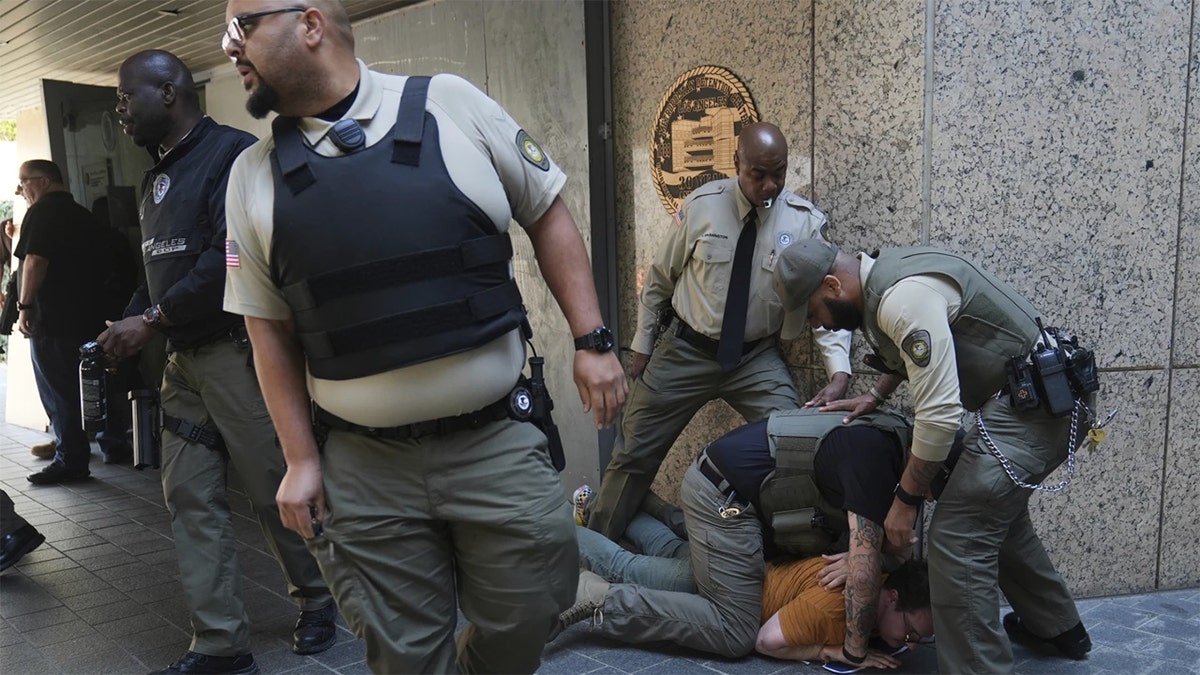
A massive coordinated law enforcement effort has struck a significant blow against organized crime in Puerto Rico, as recent federal raids in Bayamón residential areas led to the indictment of 49 individuals linked to a violent gang network. The operation, which targeted multiple residential complexes, aimed to disrupt the flow of narcotics and illegal weaponry that have long plagued the municipality.
On September 3, 2025, a federal grand jury in the District of Puerto Rico returned a sweeping indictment charging the 49 defendants with a range of serious federal crimes. The charges include conspiracy to possess with intent to distribute, as well as the actual possession and distribution of controlled substances, alongside multiple firearms violations. These arrests represent one of the larger single-strike operations against gang activity in the region in recent years.
W. Stephen Muldrow, the United States Attorney for the District of Puerto Rico, announced the charges, highlighting the collaborative nature of the investigation. The operation involved a synergy between state and federal authorities, focusing on the “residenciales”—public housing complexes—where gang hierarchies often establish strongholds to manage the distribution of illegal drugs and maintain territorial control through violence.
The Scope of the Federal Indictment
The scale of the legal action underscores the complexity of the criminal organization targeted. By charging 49 members simultaneously, prosecutors are attempting to dismantle the gang’s operational structure rather than simply removing low-level dealers. The use of a federal grand jury to secure the indictments indicates that law enforcement gathered substantial evidence, likely including surveillance, intercepted communications, and informant testimony, to build a comprehensive case for conspiracy.
At the heart of the charges is the “conspiracy to possess with intent to distribute” controlled substances. In federal law, a conspiracy charge is a powerful tool for prosecutors because it allows them to hold all members of a criminal agreement accountable for the actions of their co-conspirators, provided those actions were in furtherance of the shared illegal goal. This approach is specifically designed to target the leadership and the logistical support systems of drug trafficking rings.
the inclusion of firearms violations suggests that the gang utilized illegal weaponry to protect their narcotics trade and intimidate rivals or residents. In the District of Puerto Rico, the intersection of drug trafficking and gun violence is a primary driver of instability in urban centers, making the seizure of weapons a critical component of the public safety strategy.
Impact on Bayamón Residential Areas
The decision to conduct multiple raids specifically within residential complexes is a tactical response to the way gangs operate in Puerto Rico. These areas often become “no-go zones” for local police due to the high concentration of armed gang members and the strategic layout of the housing projects, which can be easily defended by those who know the terrain.
For the residents of Bayamón, the impact of these federal raids in Bayamón residential areas is twofold. While the immediate presence of tactical teams and federal agents can be disruptive, the removal of 49 violent gang members is viewed by community advocates as a necessary step toward reclaiming public spaces. The goal of such operations is to break the cycle of fear and violence that often traps families living within the shadow of organized crime.
Law enforcement officials have emphasized that these operations are not merely about arrests, but about the restoration of the rule of law. By removing the “muscle” and the “managers” of the drug trade, authorities hope to create a vacuum that can be filled by community services and legitimate government presence, rather than another rival gang.
Understanding the Legal Framework of the Charges
To understand the severity of the situation, it is helpful to examine the specific legal mechanisms being used by the U.S. Attorney’s office. The charges of possession and distribution of controlled substances fall under the Controlled Substances Act, which carries heavy penalties depending on the quantity and type of drugs involved.
The “conspiracy” element is particularly critical. Under federal law, the government does not need to prove that every one of the 49 defendants personally sold drugs or fired a weapon. they only need to prove that the defendants agreed to join the venture and took at least one “overt act” toward achieving the conspiracy’s goals. This allows the government to target the entire ecosystem of the gang, from the financiers to the lookouts.
The firearms charges often involve the possession of weapons in furtherance of a drug trafficking crime, which can significantly increase the potential prison sentences. Federal firearms laws are strictly enforced in Puerto Rico to curb the proliferation of high-caliber weapons that fuel gang wars.
Public Safety and the Path Forward
This operation is part of a broader strategy by the U.S. Department of Justice to combat violent crime in the Caribbean basin and specifically within the U.S. Territories. The coordination between state police and federal agents—including the FBI and DEA—demonstrates a commitment to a “whole-of-government” approach to narcotics interdiction.
However, history suggests that the removal of one gang’s leadership can sometimes lead to power struggles among remaining members or the emergence of new factions. To prevent this, authorities typically follow these raids with increased patrols and community outreach programs intended to provide alternatives for youth who are often recruited into these gangs.
The case against the 49 defendants will now move through the federal court system in Puerto Rico. Each defendant will face an arraignment where they will enter a plea. Given the scale of the conspiracy and the violent nature of the gang, prosecutors are likely to seek significant sentences to serve as a deterrent to others.
Key Takeaways of the Operation
- Massive Scale: 49 individuals were indicted, indicating a wide-reaching criminal network.
- Complex Charges: The indictment covers both narcotics distribution and firearms violations, targeting the gang’s tools of power.
- Strategic Location: Raids focused on Bayamón’s residential complexes to dismantle entrenched gang strongholds.
- Federal Authority: The operation was led by the U.S. Attorney for the District of Puerto Rico, utilizing a federal grand jury.
The next confirmed checkpoint in this legal process will be the individual arraignments and preliminary hearings for the 49 charged members in the federal court of the District of Puerto Rico, where the government will present its evidence and the defendants will be decided on bail or detention.
We invite our readers to share their perspectives on the impact of federal interventions in urban crime. Please leave a comment below or share this report to keep the conversation on global public safety active.
Related reading
- Invesco Resists Panic as Philadelphia Semiconductor Index Drops 30%
- Pentagon Plans $170B Missile and Nuclear Submarine Procurement Amid Depleted Stockpiles
- Nepal Communal Violence: 1 Dead and Curfews Imposed Across Multiple Districts (time.news)
- The Congressional Review Act, Explained: How Congress Kills Federal Rules (daybreakwire.com)