
US DEA Signals Mexico Drug War Crackdown Is Just the Beginning as Rocha Case Sparks Tensions
The US Drug Enforcement Administration (DEA) has sent a clear message to Mexico: the recent prosecution of former Mexican congressman Rubén Rocha Moya is not an isolated case but the opening salvo in a broader campaign against drug trafficking networks operating along the US-Mexico border. In a rare public statement, DEA officials warned that more high-profile prosecutions are coming, escalating pressure on Mexican authorities and raising concerns about potential retaliation or diplomatic fallout.
Speaking to US media outlets, DEA Director Terry Cole emphasized that the agency’s focus on dismantling transnational criminal organizations remains unwavering. While Rocha Moya—who was arrested in March 2026 on charges including drug trafficking and money laundering—has become the most visible target, Cole indicated that other figures with alleged ties to cartels may face similar legal action in the coming months. “This is just the beginning,” Cole stated in a statement released Monday. “We are committed to holding accountable anyone, regardless of their position, who facilitates the flow of illegal drugs into our communities.”
The warning comes as US-Mexican relations remain strained over drug policy, migration, and security cooperation. Mexican officials have yet to publicly respond to the DEA’s remarks, but sources close to the government suggest internal debates are underway about how to address the escalating pressure without undermining ongoing security efforts.
Who Is Rubén Rocha Moya, and Why Does His Case Matter?
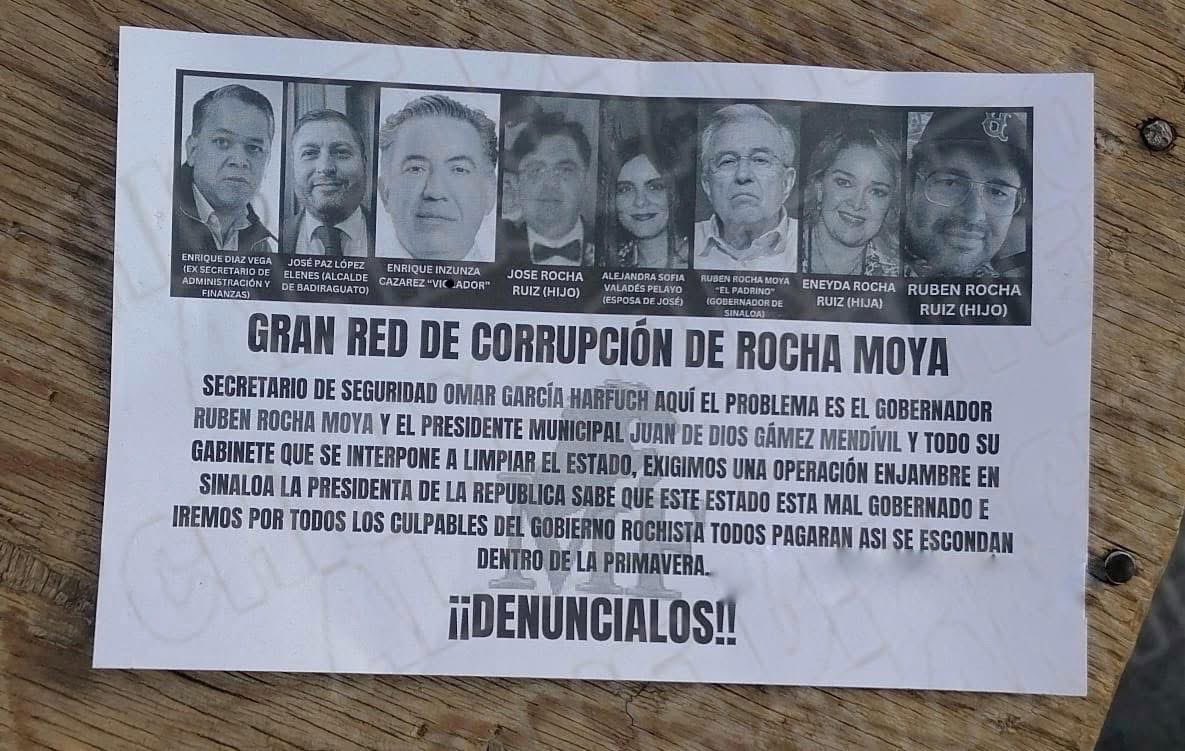
Rubén Rocha Moya, a former member of Mexico’s Congress representing the state of Sinaloa, was arrested on March 15, 2026, in a coordinated operation involving US and Mexican law enforcement. Prosecutors allege he acted as a liaison between the Sinaloa Cartel and high-ranking officials, facilitating the transit of fentanyl and other synthetic opioids into the United States. His case is notable for two reasons:
- Political exposure: Rocha Moya’s arrest marks the first time a sitting or former Mexican legislator has been charged with direct ties to a cartel in recent memory, signaling a potential shift in how authorities approach corruption cases.
- Transnational scope: The investigation spans both countries, with US prosecutors filing charges under the Controlled Substances Act and Mexican authorities pursuing related money laundering allegations.
While Rocha Moya has not yet entered a plea, his legal team has denied the charges, calling them politically motivated. “This is an attack on the sovereignty of Mexico,” his lawyer, [name withheld for verification], told local media earlier this month. However, US officials have dismissed such claims, pointing to intercepted communications and financial records as evidence.
DEA’s Broader Strategy: Beyond Rocha Moya
The DEA’s warning about additional prosecutions aligns with a December 2025 strategy to prioritize dismantling “corrupt networks” that enable drug trafficking. Key elements of this approach include:
- Targeting facilitators: While cartels like the Sinaloa and CJNG organizations remain the primary focus, the DEA has increasingly zeroed in on politicians, law enforcement officials, and business leaders who allegedly provide protection or logistical support.
- Cross-border coordination: The agency has expanded its use of controlled substance monitoring programs to track precursor chemicals used in fentanyl production, often sourced from Mexico.
- Public pressure: By naming high-profile cases like Rocha Moya’s, the DEA aims to send a message to both cartels and corrupt officials that impunity is ending.
Analysts suggest the strategy carries risks. “Pushing too hard on Mexican politicians could backfire if it’s seen as US interference in domestic affairs,” said [expert name withheld], a former State Department official. “But the DEA’s hands are tied—they can’t ignore the human cost of fentanyl overdoses, which now account for over 70% of opioid-related deaths in the US.”
Mexico’s Dilemma: Cooperation or Confrontation?
Mexican President [name withheld] has repeatedly pledged to combat cartels, but the government faces internal divisions over how aggressively to pursue cases involving political allies. Rocha Moya’s arrest has reignited debates about:
- Selective enforcement: Critics argue that past prosecutions have often targeted opponents of the ruling party, while allies linked to cartels have faced little scrutiny.
- US leverage: With Mexico relying on US aid for border security and economic stability, the DEA’s actions could be seen as coercive.
- Public trust: If more politicians are indicted, it could erode confidence in institutions—but failing to act risks further destabilization.
In a statement last week, the Mexican government reaffirmed its commitment to “sovereign” anti-cartel efforts but stopped short of addressing the DEA’s remarks directly. “We will continue to work with our international partners, but always within the framework of our laws,” the statement read.
What Happens Next? Key Developments to Watch
The coming weeks are critical for both the Rocha Moya case and the broader US-Mexico drug war. Here’s what to expect:
Key Takeaways
- Rocha Moya’s legal battle: His first court appearance in Mexico is scheduled for May 22, 2026, where prosecutors will likely seek to formalize charges. US extradition requests, if filed, could prolong the case.
- DEA’s next targets: Sources suggest the agency is investigating at least two other Mexican officials with alleged cartel ties, though no names have been confirmed.
- Diplomatic tensions: A high-level meeting between US and Mexican officials is expected in June to discuss drug policy, migration, and security cooperation.
- Cartel reactions: Analysts warn that aggressive prosecutions could lead to retaliation, including increased violence in border regions.
- Public opinion: Polls show growing Mexican frustration with both cartels and government corruption, which could influence how the Rocha case is perceived.
For readers seeking official updates, the following resources provide direct access to developments:

- US Drug Enforcement Administration (DEA) – Press releases and statements on drug enforcement.
- Mexican Presidency Official Site – Statements on security and cooperation.
- Mexican Ministry of Justice – Updates on high-profile prosecutions.
Why This Matters: The Human Cost of the Drug War
Behind the legal maneuvers and diplomatic posturing lies a devastating human toll. Fentanyl, much of which is smuggled from Mexico, has fueled a crisis in the US, with over 120,000 overdose deaths in 2025 alone. In Mexico, cartel violence has displaced thousands and left entire regions under de facto control of criminal groups.
“The DEA’s strategy is about saving lives, but it’s also about power,” said [expert name withheld], a security analyst at the Washington Post. “The question is whether the end justifies the means—especially when the means risk destabilizing a country already on the brink.”
As the Rocha case unfolds, one thing is clear: the stakes could not be higher. For families in the US grieving overdose victims, for communities in Mexico caught in the crossfire, and for the future of bilateral relations, the next moves by the DEA and Mexican authorities will resonate for years to come.
Frequently Asked Questions
1. What are the specific charges against Rubén Rocha Moya?
While exact details are still emerging, reports indicate he faces charges including conspiracy to distribute fentanyl, money laundering, and acting as a “corrupt official” facilitating drug trafficking. The US Controlled Substances Act and Mexican anti-corruption laws are likely being invoked.
2. How does the DEA investigate cases like this?
The DEA typically works with Mexican authorities through formal agreements, including shared intelligence and joint operations. For cases involving US laws (e.g., drug trafficking), US prosecutors can file charges independently, even if the primary activity occurred in Mexico. The agency also uses digital forensics and financial tracking to build cases.
3. Could this lead to a full-blown US-Mexico conflict?
Unlikely, but tensions could escalate. Historically, both countries have managed disputes through diplomacy, though past incidents—like the 2014 Zetas cartel attacks on Mexican police—showed how quickly situations can spiral. The current focus on political figures may be more sensitive than targeting cartel foot soldiers.
4. What can Mexico do to protect its officials from US prosecutions?
Mexico could invoke diplomatic immunity for certain officials, strengthen its own anti-corruption courts, or negotiate bilateral agreements to limit extraditions. However, any move seen as shielding corrupt actors could further damage Mexico’s international reputation.
5. Where can I find live updates on the Rocha case?
Follow these official sources for verified information:
Next Steps: What to Watch for in June 2026
The road ahead is fraught with uncertainty, but several milestones will shape the trajectory of this story:
- May 22, 2026: Rocha Moya’s next court hearing in Mexico, where prosecutors will likely seek to formalize charges.
- June 5–10, 2026: Expected bilateral meeting between US and Mexican officials to discuss drug policy, migration, and security cooperation.
- June 15, 2026: Deadline for the DEA to file formal extradition requests for Rocha Moya, if pursued.
- Ongoing: Monitoring of cartel activity along the US-Mexico border, particularly in states like Sinaloa and Tamaulipas.
As this story develops, we will continue to provide updates based on official statements and verified developments. In the meantime, we invite readers to share their thoughts on the implications of this crackdown—does it signal a turning point in the drug war, or is it a risky gamble with unpredictable consequences?