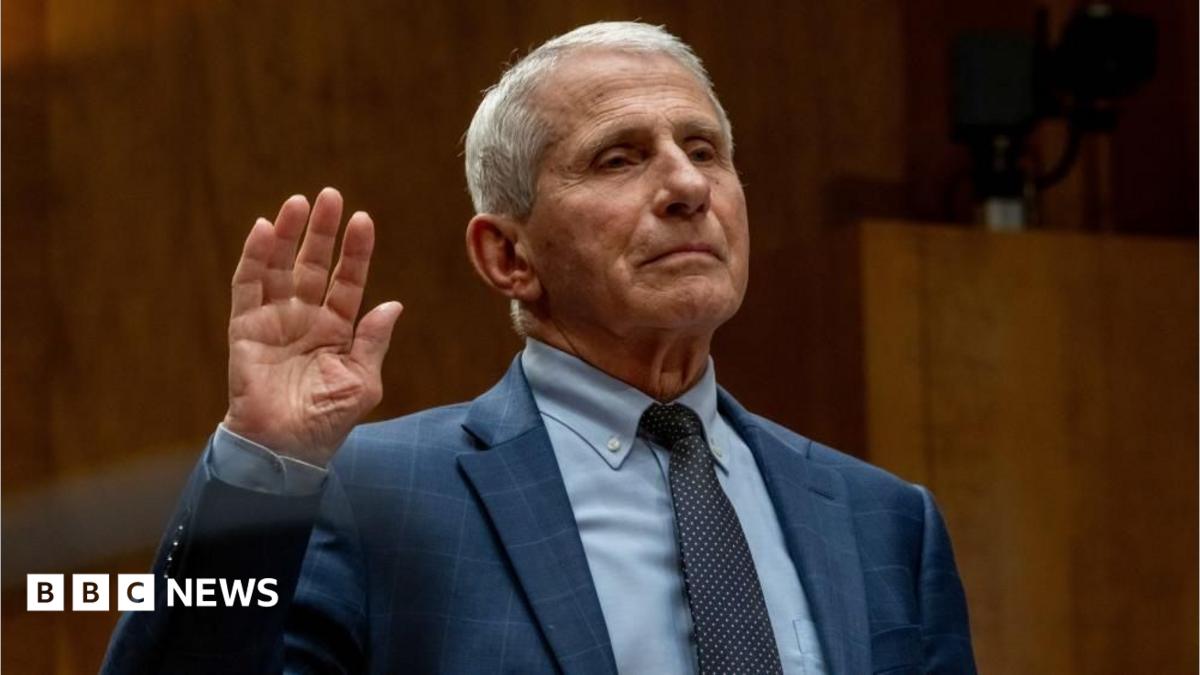
Dr. Anthony Fauci remains on solid legal ground despite escalating threats of prosecution and potential contempt-of-Congress proceedings from Republican lawmakers, according to legal representation speaking on the high-profile political dispute. The former director of the National Institute of Allergy and Infectious Diseases has found himself at the center of intense legislative scrutiny regarding federal pandemic policies, government communications, and the origins of COVID-19.
The mounting friction between congressional investigators and the veteran public health official centers on closed-door testimonies, subpoena compliance, and sharply contested interpretations of federal authority. While congressional committees push for sweeping accountability and document disclosures, defense counsel maintains that the long-serving scientist has fully cooperated within the boundaries of the law, setting up a high-stakes constitutional showdown.
As lawmakers weigh further procedural steps, legal experts and political analysts are closely monitoring the boundaries of congressional oversight versus executive branch protections. Understanding the mechanics of these proceedings requires examining the specific allegations, the legal defenses marshaled by Fauci’s team, and the broader implications for public health officials testifying before legislative panels.
Congressional Subpoenas and the Contempt Threat
The conflict between Capitol Hill investigators and federal health officials escalated sharply as Republican-led panels scrutinized pandemic-era decision-making. Lawmakers on the Select Subcommittee on the Coronavirus Pandemic have repeatedly questioned federal messaging, social distancing guidelines, and electronic communication practices used by agencies during the global health emergency. According to congressional records, disputes over transcribed interviews and missing records fueled threats of formal contempt proceedings.
Contempt of Congress is a serious legislative tool that allows committees to refer non-compliant witnesses to the Department of Justice for potential criminal prosecution. However, legal scholars note that successfully prosecuting a witness for contempt involves navigating complex hurdles, including proving willful default and evaluating executive branch privileges. Defense attorneys representing prominent federal figures argue that such threats mischaracterize cooperative testimony as obstruction.
Throughout multiple rounds of questioning, Fauci has appeared before investigators to answer hours of detailed inquiries regarding agency policies and scientific debates. His legal team maintains that participating voluntarily in exhaustive interviews demonstrates a clear good-faith effort to address congressional concerns without violating constitutional norms or statutory protections.
Legal Arguments Defending Federal Health Officials
The core of the legal defense rests on the principle that agency officials acting within their official capacities are entitled to standard protections against politically motivated prosecution or punitive legislative measures. Attorneys familiar with congressional investigations point out that disagreement over policy outcomes or scientific interpretations does not constitute a legal violation or contempt of legislative authority.
Furthermore, defense advocates emphasize that federal employees operating under the direction of executive agencies follow established protocols for handling sensitive government communications. When disputes arise over record retention or informal messaging applications, agencies typically address them through administrative channels rather than criminal referrals. Legal analysts suggest that invoking criminal statutes against scientific advisors sets a disruptive precedent for future executive-legislative relations.
The defense also highlights the exhaustive nature of the document production provided to oversight committees. Millions of pages of emails, grant documents, and internal memos have been handed over to investigators over the course of the multi-year probe, undercutting claims of systematic stonewalling.
Broader Implications for Scientific Governance
The ongoing legal and political battle over federal pandemic response measures carries significant consequences for the broader scientific community. Public health professionals and academic researchers have voiced concern that aggressive legislative investigations could chill future advisory participation during public health crises. When leading epidemiologists and virologists face the prospect of criminal referrals over contentious policy choices, recruiting top-tier scientific talent for government service becomes increasingly difficult.
At the same time, congressional investigators defend their oversight mandate as an essential constitutional check on unelected bureaucrats who wield immense regulatory power. Lawmakers argue that transparency regarding public health mandates, funding decisions, and inter-agency communications is vital for maintaining public trust and preventing executive overreach.
As both sides prepare for the next phase of legislative action, the dispute underscores the enduring political fallout from the COVID-19 pandemic. Observers anticipate further procedural motions as committees review transcripts and determine whether to advance formal resolutions.
Next Steps in the Legislative Review
The immediate outlook depends on upcoming committee actions and whether congressional leadership chooses to bring contempt resolutions to a full floor vote. Federal investigators continue to sift through transcripts and documentary evidence, while defense counsel prepares to contest any formal punitive measures in administrative or judicial forums.
Readers seeking official updates, committee hearing transcripts, and primary documentation can monitor congressional publications through the official House Committee on Oversight and Accountability portal. Further developments in the legal status of federal health advisors will be tracked as new filings and committee votes are scheduled.
What are your thoughts on the balance between congressional oversight and executive agency protections? Join the conversation by leaving a comment below or sharing this report with your network.
- Arrest Made Months After Fatal D.C. Crosswalk Hit-and-Run
- Iconic 1900s Buenos Aires Building Converted Into Luxury Apartments Over $10,000 per m²
- Dino Faces Prosecutor Investigation and Labor Ministry Intervention Amid Layoff Controversy (newsdirectory3.com)
- The Congressional Review Act, Explained: How Congress Kills Federal Rules (daybreakwire.com)