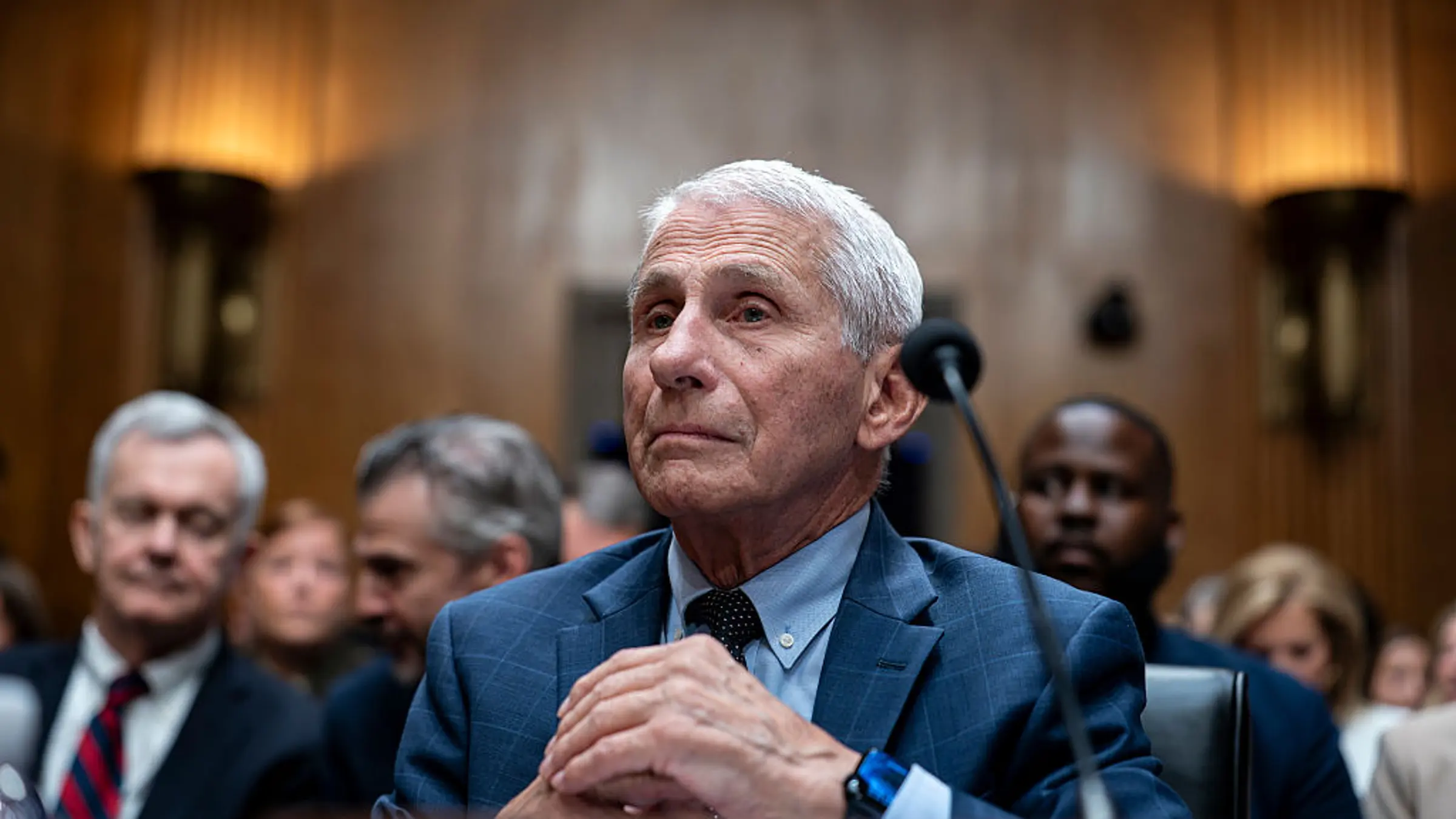
When a high-profile public figure declines to answer congressional inquiries by invoking constitutional protections against self-incrimination, it immediately triggers intense legal and political debate. According to official reporting from major news outlets, former National Institute of Allergy and Infectious Diseases director Dr. Anthony Fauci invoked his Fifth Amendment right more than 100 times during a Senate Homeland Security and Governmental Affairs Committee hearing in Washington, D.C. The session, held on July 29, 2026, focused heavily on the federal government’s handling of the COVID-19 pandemic and immediately drew sharp divisions among lawmakers on Capitol Hill.
The decision by the longtime infectious disease expert to remain silent on advice of counsel prompted committee chairman Sen. Rand Paul, R-Ky., to announce plans for a panel vote regarding a potential contempt of Congress citation. The unfolding confrontation brings constitutional law, executive pardons, and congressional oversight authority into direct collision, raising complex questions about the limits of legislative inquiries and individual legal safeguards.
Understanding what it means to plead the Fifth Amendment requires examining the historical foundations of American jurisprudence, the mechanics of congressional subpoenas, and the specific legal protections guaranteed by the Bill of Rights.
Constitutional Roots of the Fifth Amendment Right
Ratified in 1791 as part of the Bill of Rights, the Fifth Amendment protects individuals from being forced to serve as witnesses against themselves in criminal cases. The constitutional text establishes that no person shall be compelled in any criminal case to be a witness against himself, securing a fundamental right against self-incrimination within the American legal framework.
Legal experts emphasize that invoking this constitutional privilege is legally distinct from admitting culpability. According to statements published by the Texas-based Whalen Law Office, pleading the Fifth is not an admission of guilt, but rather a constitutional protection designed to prevent coercion, judicial mistakes, and unfair burden-shifting by the state. The U.S. criminal justice system relies on the foundational presumption of innocence, placing the absolute burden of proof on prosecutors rather than requiring citizens to establish their own innocence.
Why Dr. Fauci Invoked His Constitutional Protections
During his appearance before the Senate panel, Fauci utilized his opening statement to address committee leadership directly, stating that he faced an obvious obsession with calls for his prosecution. He told lawmakers that his attorneys advised him to remain silent despite his decades-long record of cooperating with Congress and his profound respect for the legislative branch.
The legal landscape surrounding Fauci shifted significantly shortly before former President Joe Biden left office in January 2025, when Biden issued a preemptive pardon intended to shield the former health official from politically motivated prosecutions. While that executive order protects him from federal criminal charges related to past actions taken during his tenure responding to the pandemic, legal analysts note that a pardon does not cover potential offenses committed after its issuance, such as alleged false statements made under oath during subsequent congressional testimony.
Contempt of Congress Proceedings and Legal Debates
Following the hearing, Sen. Paul stated that the committee would vote on whether to recommend holding Fauci in contempt of Congress for refusing to answer questions. Paul argued that Fauci was not legally entitled to invoke the Fifth Amendment because the presidential pardon already shields him from federal criminal prosecution for his historical pandemic-related actions, making self-incrimination an impossibility in his view.
That legal theory remains untested. Paul acknowledged to reporters that the question of whether a pardoned individual can still plead the Fifth is a complex legal matter that the courts may ultimately need to decide. Meanwhile, Fauci’s defense attorney, David Schertler, maintained in an email to CBS News that his client was standing on completely solid legal ground and possessed a fully valid Fifth Amendment privilege.
Democratic members of the committee strongly criticized the Republican-led line of questioning, characterizing the proceedings as an entrapment mechanism rather than a genuine fact-finding mission. Sen. Maggie Hassan, D-N.H., addressed Fauci directly during the session to express sympathy for the contentious atmosphere surrounding the hearing.
Next Steps and Official Oversight Actions
The Senate Homeland Security and Governmental Affairs Committee is scheduled to hold its formal vote on the contempt recommendation in the coming week. Should the committee approve the measure, the resolution will advance to the full Senate floor for a broader legislative vote. Observers can track official committee schedules, published hearing transcripts, and upcoming legislative calendar updates directly through official congressional portals.
What are your thoughts on the constitutional balance between congressional oversight and individual legal protections? Join the discussion in the comments below, and share this article to keep others informed on evolving legal developments.
Worth a look