The Unfolding Style Code of Silicon valley: From Jobs’ Turtlenecks to Zuckerberg’s Gold
For decades, the tech industry has cultivated a unique relationship wiht fashion – or, perhaps more accurately, a deliberate anti-fashion. While Wall Street has long projected power through tailored suits, Silicon Valley has historically championed a casual aesthetic, a visual signal of disruption and a rejection of conventional hierarchies. But this isn’t a story of indifference. It’s a fascinating evolution,revealing how the industry’s self-perception,its ascent to global influence,and even its internal power dynamics are reflected in what its leaders wear.
as someone who’s observed the intersection of technology and society for years,I’ve witnessed this transformation firsthand. It’s a story that begins not with a lack of awareness, but with a profound understanding of image – a legacy surprisingly rooted in the meticulous vision of Steve Jobs.
The Legacy of Intentionality: Jobs and the Power of Uniformity
The notion that tech leaders are oblivious to style is demonstrably false. No one understood the power of design and its perception quite like Steve Jobs. His obsession wasn’t simply with the functionality of Apple products, but with the entire user experience, extending to the very image he projected.
This understanding is beautifully illustrated by his fascination with Sony’s corporate culture in Japan. Jobs was struck by the uniformity of dress amongst Sony employees – a deliberate aesthetic curated by avant-garde designer Issey Miyake. He attempted to replicate this within Apple, seeking a similar uniform for his team, but faced resistance from his American colleagues. Undeterred, Jobs commissioned Miyake to create his personal uniform: a wardrobe of precisely 100 black turtlenecks, a style he maintained throughout his life. This wasn’t about frugality; it was about eliminating decision fatigue and projecting a consistent, focused image. It was a statement – a deliberate simplification mirroring the elegance he sought in Apple’s products.
The Rise of the ”Revenge of the Nerds” & Hedonic Optimism
The early 2000s saw a shift. The rise of social media and the dot-com boom ushered in an era of “hedonic optimism,” a belief in technology’s power to democratize and disrupt. This optimism manifested in a distinct style: the “revenge of the nerds.” Mark Zuckerberg, with his signature hoodies, shapeless jeans, and perpetually casual demeanor, became the poster child for this aesthetic. It was a conscious rejection of the formality associated with established power structures, a visual declaration that innovation came from outside the traditional elite.
This casual look wasn’t accidental. It was a deliberate contrast to the power suits of Wall Street, signaling a new breed of leader – one focused on code, not corner offices.It sealed the fashion fate of the tech industry for the next two decades, establishing a baseline of comfort and practicality.
From Casual to Curated: The Stealth Wealth Era
As the internet became deeply ingrained in our lives and tech founders amassed unprecedented wealth, a subtle shift began. The 2010s saw the emergence of “stealth wealth” – a preference for understated luxury. Athleisure wear, minimalist designs, and quiet luxury brands like Kiton and Zegna gained traction. Tech tycoons weren’t abandoning comfort, but they were upgrading it. They were opting for bespoke tailoring and high-end streetwear, signaling success without ostentation.
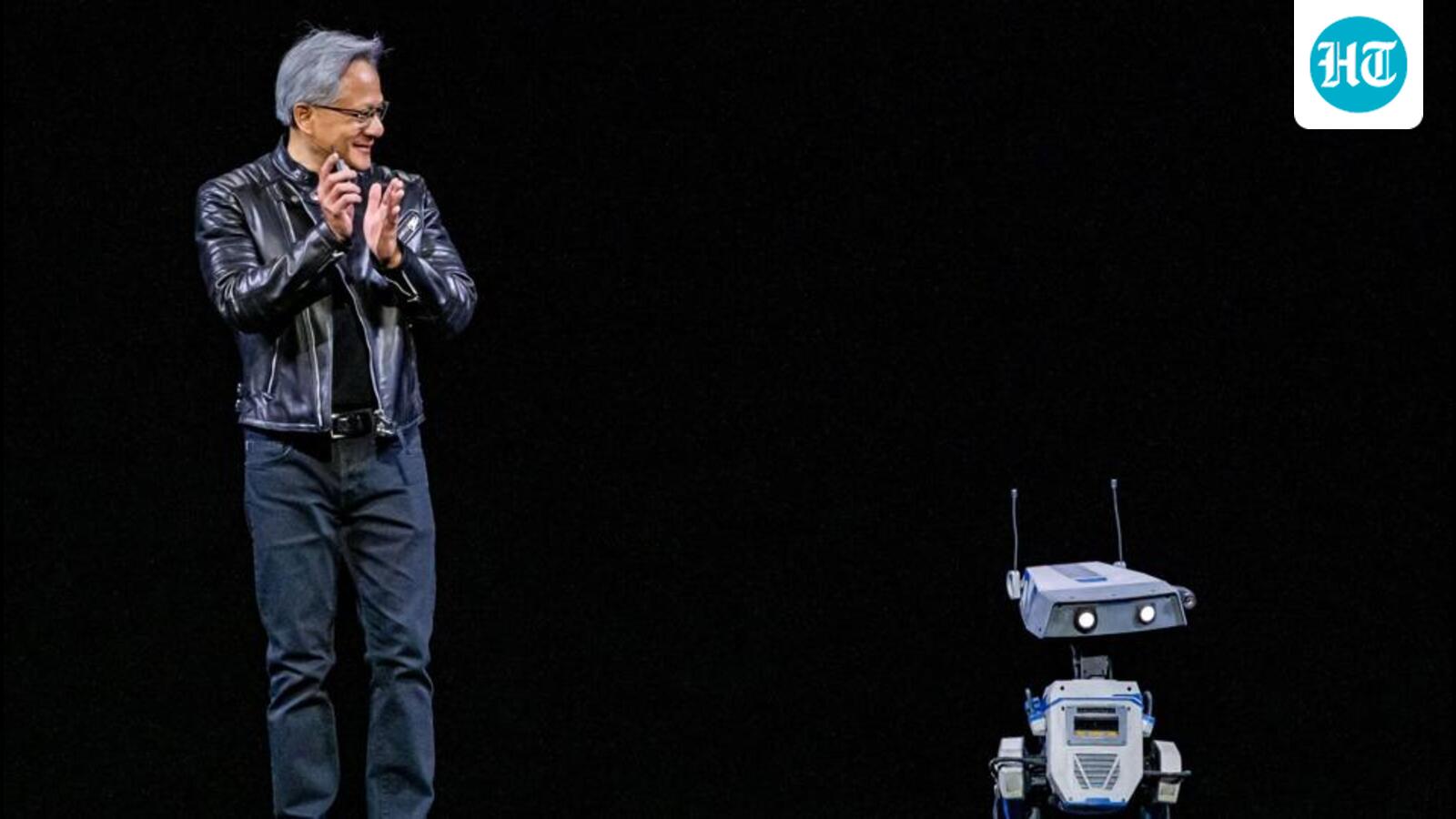
Venture capitalists embraced Patagonia vests, while engineers paired black t-shirts with stylish jackets, as exemplified by nikhil Kamath of Zerodha. This wasn’t about flaunting wealth, but about subtly communicating status within a specific, discerning community.
The New Flex: Billionaire branding and the Acceptance of Influence
Recently, however, we’ve witnessed a further evolution. Mark Zuckerberg’s transformation – from ill-fitting sweatpants to custom-made streetwear, gold medallions, and luxury watches – is perhaps the most visible example. This shift suggests a growing acceptance of power and influence within the tech industry. It’s as if these leaders are finally embracing the role they’ve come to occupy, shedding the self-effacing image of the disruptor and adopting a more assertive, even opulent, style.
Elon Musk favors high-end brands like Common Projects,while Google’s Sundar Pichai and Microsoft’s Satya Nadella demonstrate a preference for Lanvin sneakers. Even sneakers themselves have become a status symbol, evolving from Adidas and New Balance to limited-edition releases commanding prices well over $1,000. Bengaluru’s startup scene boasts its own homegrown limited-edition brands like Comets, alongside Japanese favorites like Onits
Worth a look