“`html
Five Dead in Tripoli Building Collapse, Raising Concerns over Infrastructure in Lebanon
Tripoli, lebanon - February 8, 2026 – The death toll from a building collapse in Tripoli, Lebanon, has risen to five, with rescue efforts continuing to search for potential survivors. The incident, which occurred on Sunday in the Bab al-Tabbaneh neighborhood, marks the second such collapse in the city within weeks, highlighting the deteriorating state of infrastructure across the country.
Details of the Collapse
According to the state-run National News Agency, the collapsed building was an older structure in Bab al-Tabbaneh, one of Tripoli’s poorest districts [[1]]. Security forces swiftly evacuated neighboring buildings, fearing further collapses due to the instability of surrounding structures.As of this reporting, eight individuals have been rescued from the rubble, while five victims, including a child and an elderly woman, have been confirmed dead.
Rescue Efforts and Challenges
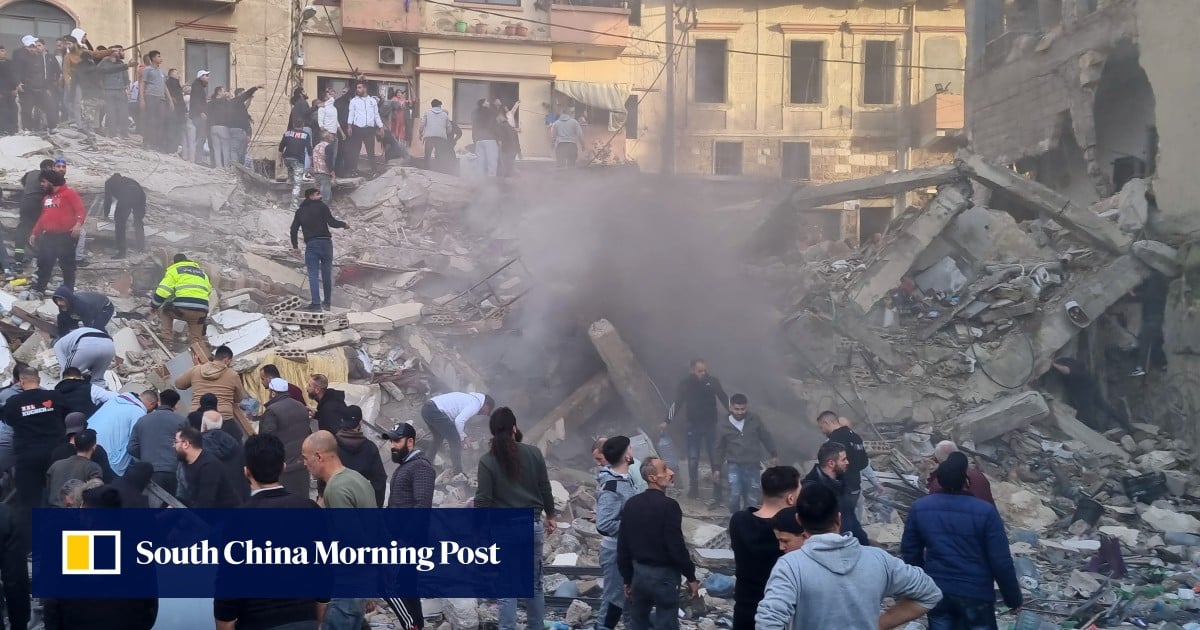
Civil defense teams, led by chief Imad Khreish, are currently leading the search and rescue operation. Khreish stated that the building comprised two blocks, each containing six apartments [[2]]. Images circulating in local media depict residents and rescue workers working to clear debris, often relying on basic equipment and manual labour.
A recurring Crisis
This collapse follows a similar incident in Tripoli late last month,raising serious concerns about the safety of buildings throughout the city and the wider nation. Lebanon has been grappling with a severe economic crisis for several years,which has led to a lack of maintenance and investment in essential infrastructure. This neglect has left many buildings vulnerable to collapse, particularly older structures.
Underlying Issues and Contributing Factors
Several factors contribute to the increasing risk of building collapses in Lebanon:
- Economic Crisis: The ongoing economic downturn has severely limited resources for building maintenance and repairs.
- Lack of Regulation: Enforcement of building codes and safety regulations has been historically weak.
- Aging Infrastructure: Many buildings in Tripoli and othre Lebanese cities are decades old and have not been adequately maintained.
- Substandard Construction: Past construction practices may have utilized inferior materials or lacked proper engineering oversight.
Broader Context: Lebanon’s Infrastructure Challenges
Lebanon’s infrastructure has suffered from decades of neglect and conflict. The aftermath of the Beirut port explosion in 2020 further exacerbated these issues, causing widespread damage and straining already limited resources [[3]]. The country faces notable challenges in rebuilding and modernizing its infrastructure to ensure the safety and well-being of its citizens.
Looking Ahead
The recent building collapses in Tripoli serve as a stark reminder of the urgent need for investment in infrastructure and stricter enforcement of building codes
Worth a look