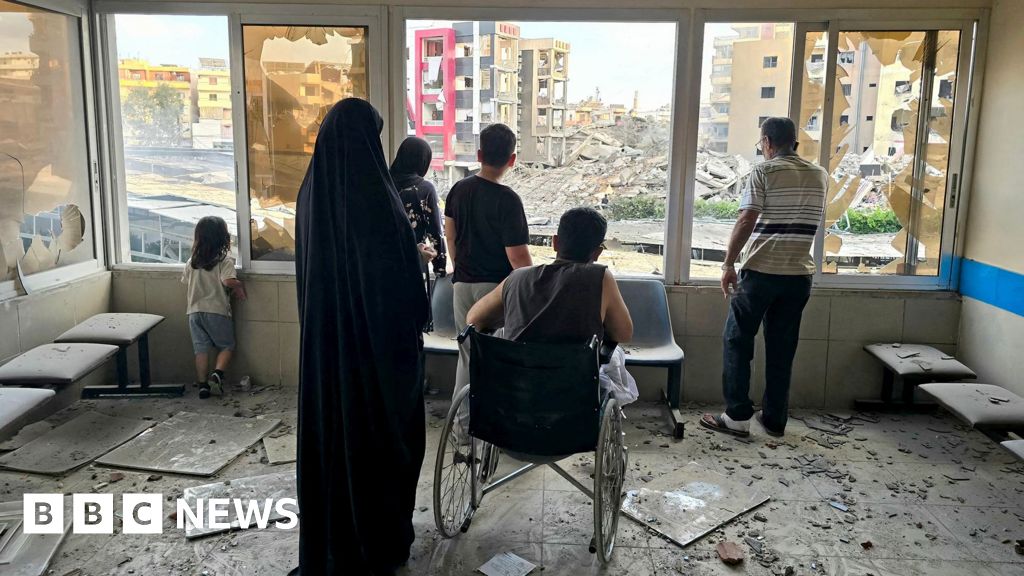
The fragile landscape of the Middle East remains in a state of high tension as military operations persist across southern Lebanon, despite diplomatic efforts to solidify a partial ceasefire agreement between Israel and Hezbollah. While international mediators have worked urgently to de-escalate the fighting, the reality on the ground—characterized by ongoing airstrikes and ground skirmishes—suggests that the path to a lasting cessation of hostilities remains fraught with significant obstacles.
The current situation highlights the complex disconnect between high-level diplomatic pronouncements and the volatile security environment. As global observers monitor the Lebanon-Israel conflict status, the persistence of violence has raised critical questions regarding the efficacy of current US-led peace initiatives and the willingness of both parties to adhere to the terms of a temporary truce. For those following the broader regional implications, the intensity of the current fighting is widely viewed as a test of the influence wielded by external powers, including the United States and other key regional stakeholders.
The Gap Between Diplomacy and Ground Reality
Diplomatic channels have been active for weeks, with officials attempting to broker terms that would allow for a significant reduction in cross-border fire. Reports from the US-backed ceasefire agreement, which aimed to facilitate a phased withdrawal and an end to active combat, initially sparked cautious optimism. However, the operational reality has remained largely unchanged, with both the Israel Defense Forces (IDF) and Hezbollah continuing to engage in active military maneuvers.
The persistence of these clashes is not merely a tactical failure but a reflection of deep-seated mistrust. According to the United Nations Office for the Coordination of Humanitarian Affairs (OCHA), the humanitarian impact of the ongoing conflict has been severe, with thousands of civilians displaced and critical infrastructure in southern Lebanon sustaining extensive damage. The inability of the current diplomatic framework to translate agreement into action underscores the precarious nature of the current regional security architecture.
Strategic Calculations and Regional Tensions
The conflict in Lebanon does not exist in a vacuum; it is inextricably linked to broader regional dynamics, particularly the ongoing tensions involving Iran and the shifting priorities of the incoming US administration. Analysts have pointed out that the strategic objectives of both Israel and Hezbollah remain fundamentally at odds, complicating any attempt at a sustainable ceasefire. Israel has consistently maintained that its primary goal is to ensure the security of its northern border communities, allowing for the safe return of residents evacuated due to the threat of rocket fire, as detailed in recent official government statements.
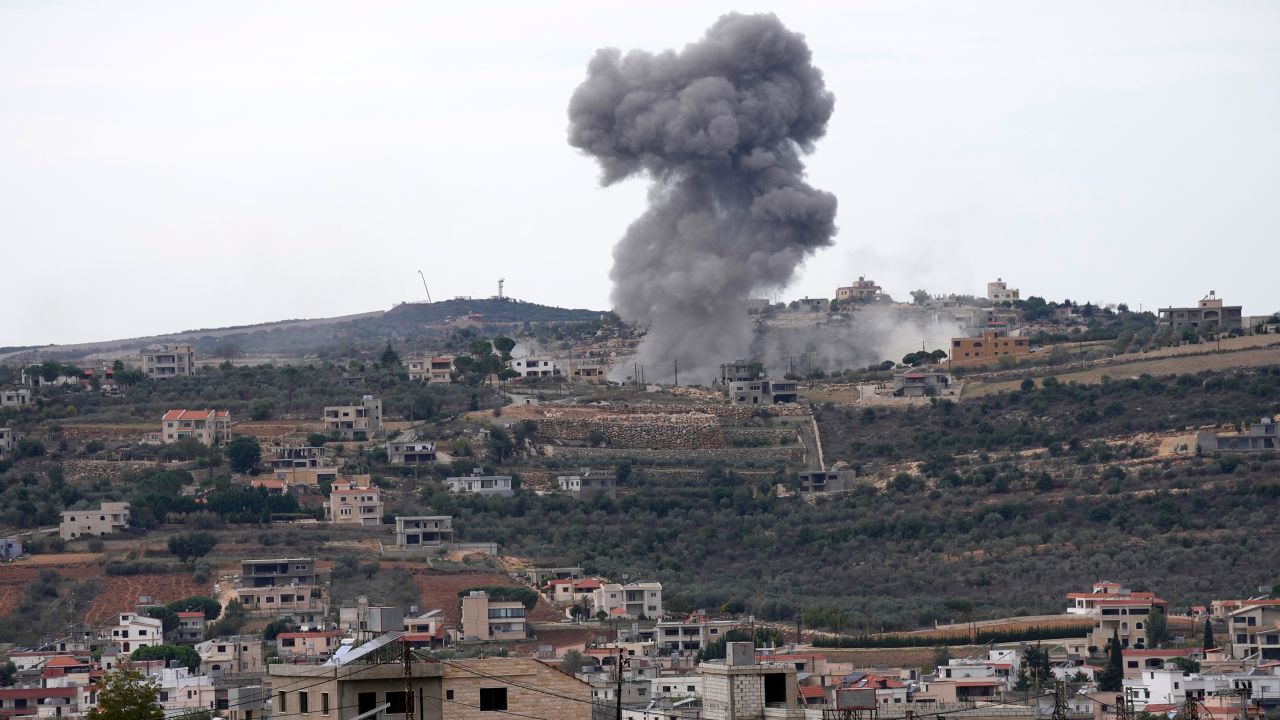
Conversely, Hezbollah has framed its participation in the conflict as part of a broader “Axis of Resistance,” citing solidarity with Palestinian factions in Gaza. This ideological commitment makes the prospect of a long-term, verifiable ceasefire particularly tough to achieve. The interplay between these competing objectives continues to drive the cycle of violence, leaving international diplomats to navigate a highly volatile environment where even minor escalations can quickly spiral into wider confrontation.
Key Takeaways on the Current Crisis
- Persistent Hostilities: Despite public declarations regarding a partial ceasefire, active military engagement continues across the border, complicating humanitarian efforts.
- Diplomatic Stagnation: High-level mediation efforts are currently struggling to bridge the gap between the stated political commitments of the belligerents and the military reality on the ground.
- Humanitarian Impact: The ongoing conflict has resulted in significant civilian displacement and damage to essential infrastructure, according to reports from international aid monitoring groups.
- Strategic Complexity: The conflict is deeply tied to regional power struggles, making a simple bilateral solution unlikely without broader political guarantees.
What Happens Next: Monitoring the Situation
Looking ahead, the focus of the international community remains on whether the current partial ceasefire can be expanded into a more comprehensive and durable agreement. The next major checkpoint for this process involves ongoing discussions between regional envoys and the respective leaderships in Jerusalem and Beirut. Observers are particularly keen to see if any mechanisms for monitoring compliance will be put into place, as previous agreements have often faltered due to a lack of enforcement capacity.
For our readers tracking these developments, official updates and humanitarian briefings can be monitored through the UN News Middle East portal, which provides regular, fact-checked reports on the security and humanitarian situation in the region. As the situation evolves, we will continue to provide in-depth analysis of the political and military shifts defining this critical moment in global affairs.
We invite our readers to share their perspectives on the diplomatic challenges of the Lebanon conflict in the comments section below. Your engagement is vital as we continue to track this developing story.
Keep reading
- Florida Senate Candidate: “People Must Control Their Government” Regarding Fiscal Board
- US Governors’ Legal Action: State List and Details
- Henry Pollock Worth £1m-a-Year, Says Eddie Hearn Amid Northampton Contract Talks (archynewsy.com)
- Trump Administration Invites AI Giants to Discuss New Cybersecurity Safety Tests (time.news)