Lebanon and Israel are set to hold a second round of direct diplomatic talks in Washington on Thursday, April 17, 2026, as both sides seek to build on initial discussions held earlier in the week. The negotiations, mediated by U.S. Secretary of State Marco Rubio, aim to address the fragile ceasefire between Israel and Hezbollah that is due to expire in ten days. Lebanese officials have stated their primary goal is to secure an extension of the current truce, which has provided a temporary pause in hostilities following over a month of intense conflict.
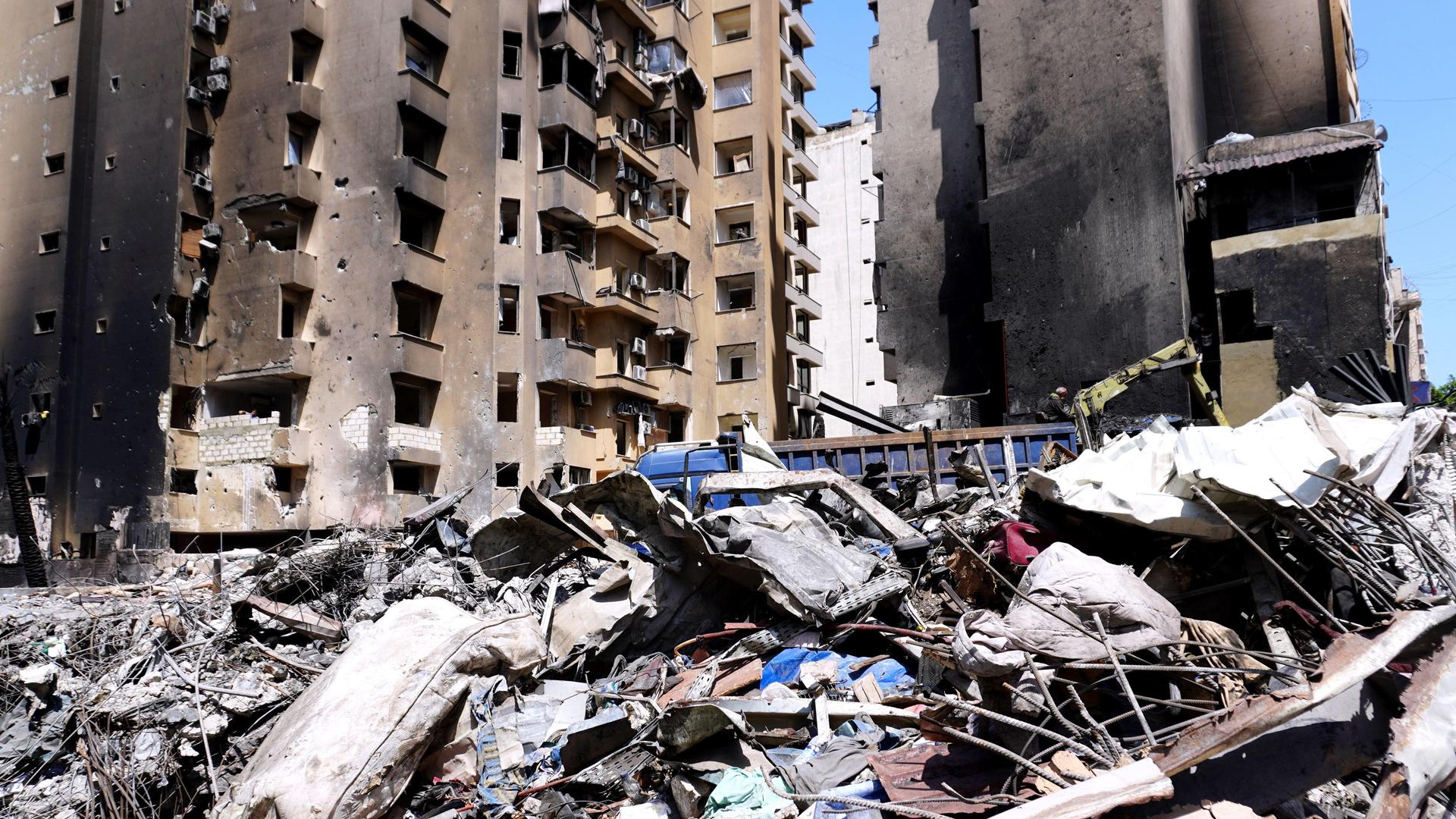
The talks come amid ongoing humanitarian concerns in Lebanon, where Israeli airstrikes have caused significant destruction and displacement. According to reports from the ground, nearly 2,124 Lebanese residents have been killed and more than 1.1 million displaced since the escalation began. Lebanese Ambassador to the United States Nada Hamadeh Moawad emphasized during the first meeting that her delegation called for an end to hostilities, the safe return of displaced persons, and measures to alleviate the worsening humanitarian crisis across the country.
Israeli officials, led by Ambassador to the U.S. Yechiel Leiter, have maintained a different priority, focusing on securing commitments from Lebanon regarding the disarmament of Hezbollah. During the initial session, Leiter described the discussions as “positive” and stated that both nations “are on the same side of the equation.” However, Hezbollah has signaled it will not abide by any agreement reached in the negotiations, with a senior political official telling The Associated Press that the militant group rejects any outcome from the talks.
The U.S. State Department confirmed it will host the second round of engagement at its headquarters in Washington, D.C., with participation from staffers across Israeli, Lebanese, and American delegations. A department official told The Times of Israel that the United States “welcomes the productive engagement that began on April 14” and will continue to facilitate “direct, good-faith discussions” between the two governments. The meeting is scheduled to take place days before the current 10-day ceasefire is set to lapse.
Lebanon’s Parliament Speaker Nabih Berri said following a meeting with U.S. Ambassador to Lebanon Michel Issa that Washington is actively working to extend the truce, according to reporting by Asharq al-Awsat. Berri’s comments underscore Beirut’s push to prolong the cessation of hostilities beyond its current deadline, which would allow more time for diplomatic efforts to take hold and for humanitarian aid to reach affected communities.
The first direct talks between Israeli and Lebanese officials in over four decades marked a significant diplomatic milestone, ending a channel of communication that had been dormant since 1983. While both sides described the April 14 meeting as constructive, deep differences remain over the future of Hezbollah’s armed presence in southern Lebanon and the conditions under which any lasting arrangement could be forged. Analysts note that any progress will depend not only on the willingness of Beirut and Jerusalem to compromise but also on Hezbollah’s stance, which remains opposed to negotiations conducted without its direct involvement.
As the second round approaches, international observers are watching closely to see whether the talks can yield a tangible extension of the ceasefire or lay groundwork for a broader understanding. The U.S. Continues to position itself as a mediator, leveraging its diplomatic channels with both parties to prevent further escalation amid regional tensions linked to the wider Iran-Israel conflict.
For ongoing updates on the Israel-Lebanon negotiations and related developments in the region, readers can follow official statements from the U.S. Department of State and the embassies of Israel and Lebanon in Washington.
We encourage our global audience to share thoughts and insights in the comments section below and to spread awareness of this evolving diplomatic effort by sharing this article across social platforms.