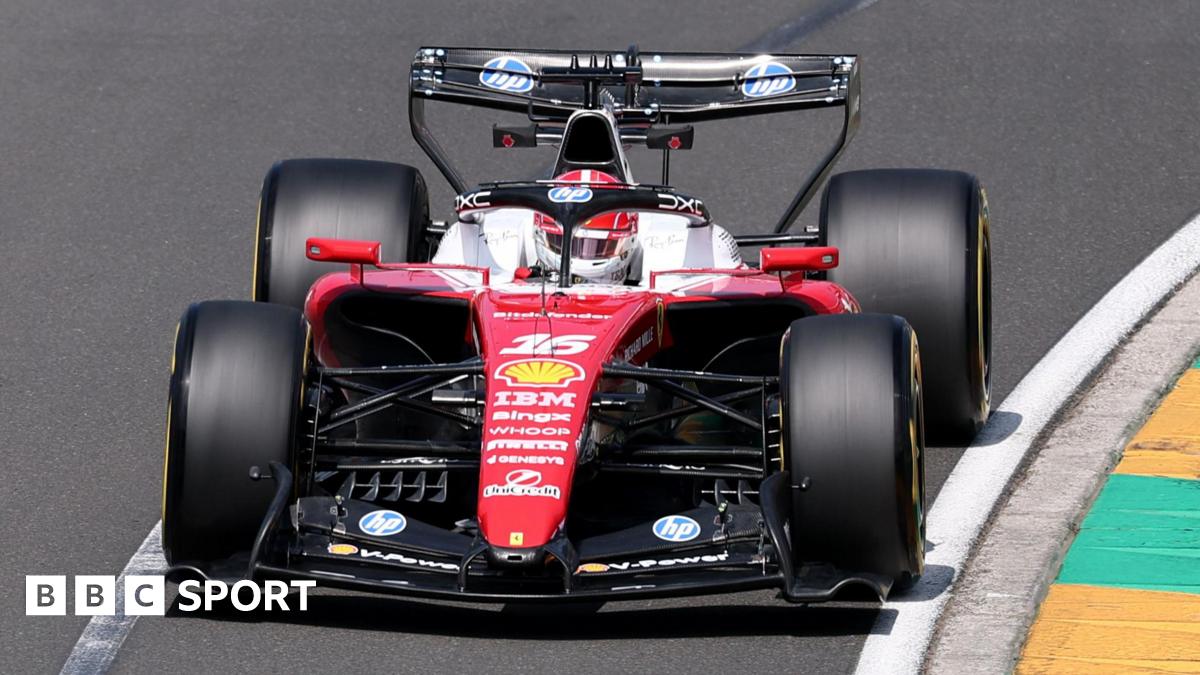
Melbourne, Australia – The Formula 1 season is still young, but Ferrari appears to be making a strong statement. Charles Leclerc topped the timesheets in opening practice for the Australian Grand Prix on Friday, edging out his new teammate, seven-time world champion Lewis Hamilton, in a promising sign for the Italian team. The session, held at the Albert Park Circuit, saw Leclerc post a fastest lap of 1:18.659, 0.469 seconds faster than Hamilton. This early pace sets the stage for a potentially exciting weekend as the sport continues to adapt to new regulations and evolving team dynamics.
The performance from both Ferrari drivers is particularly noteworthy given the recent changes within the team. Hamilton’s move from Mercedes to Ferrari during the off-season was one of the biggest stories of the winter, and the initial practice sessions are offering a first glimpse of how the veteran driver will integrate into the Scuderia. Leclerc, already established as a frontrunner, seems to be benefiting from the added competition and experience alongside Hamilton. The Australian Grand Prix represents an important opportunity for Ferrari to build momentum and challenge for race wins, especially as other teams grapple with reliability issues and performance adjustments.
The gap between the top two was remarkably tight for much of the session, with Red Bull Racing’s Max Verstappen also remaining within a tenth of a second. Verstappen, the reigning world champion, finished third, demonstrating that Red Bull remains a formidable competitor despite early-season challenges. Isack Hadjar, Verstappen’s new teammate, secured fourth place, a solid debut performance for the young driver. Arvid Lindblad, making his Formula 1 debut for Racing Bulls, rounded out the top five, showcasing the talent emerging within the junior ranks of the sport. The competitive spread at the top of the timesheets suggests a thrilling battle is brewing throughout the field.
Ferrari’s Strong Start and Hamilton’s Adaptation
The Australian Grand Prix practice session highlighted Ferrari’s apparent gains in performance. The team has been working diligently to improve its car’s handling and aerodynamic efficiency, and the results appear to be paying off. Leclerc’s fastest time is a testament to the team’s efforts and the driver’s skill. Hamilton’s close second place indicates a swift adaptation to the Ferrari car, a feat that many observers were keen to witness. The seven-time champion has a reputation for quickly mastering new machinery, and his early pace suggests he is already comfortable with the Ferrari’s characteristics. The synergy between Leclerc and Hamilton will be a key factor in Ferrari’s success this season, and the initial signs are encouraging.
However, it’s crucial to remember that practice sessions don’t always translate directly into race results. Teams often experiment with different setups and tire compounds during practice, and the true competitive order will only become clear during qualifying and the race itself. Nevertheless, Ferrari’s strong showing in Melbourne provides a positive outlook for the team and its fans. The team will be looking to capitalize on this momentum and secure a strong result on Sunday. The focus now shifts to refining the car’s setup and optimizing tire strategies for the varying conditions expected during the race weekend.
Aston Martin Faces Continued Struggles
While Ferrari enjoyed a productive session, Aston Martin experienced a frustrating start to the Australian Grand Prix weekend. Both Fernando Alonso and Lance Stroll encountered engine problems, severely limiting their track time. Alonso was unable to set a lap time at all due to an issue with his Honda power unit, while Stroll managed only three laps before a similar problem emerged on his car. This setback adds to Aston Martin’s difficult start to the 2026 season, with the team struggling to match the performance of its rivals.
The engine issues at Aston Martin are particularly concerning given recent comments from team principal Adrian Newey regarding the Honda power unit. Newey had previously expressed concerns about vibrations from the engine, stating that Alonso felt unable to complete more than 25 laps without risking nerve damage, as reported by the BBC. While the current problems appear to be a separate reliability issue, they underscore the challenges facing the team with its new engine supplier. The team is working to diagnose and resolve the problems quickly, but the limited track time could put them at a disadvantage for the rest of the weekend. The situation highlights the importance of reliability in Formula 1, where even minor mechanical issues can have a significant impact on performance.
Newey’s Concerns and Engine Reliability
The issues at Aston Martin are a stark reminder of the complexities involved in Formula 1 engine development. The introduction of new regulations for the 2026 season has presented significant challenges for engine manufacturers, and reliability has become a major concern. The Honda power unit, which Aston Martin is using, is reportedly below the required standard, leading to the problems experienced by Alonso and Stroll. Newey’s earlier comments about the vibrations highlight the potential risks associated with the engine, and the team is working closely with Honda to address these issues. The situation underscores the importance of ongoing development and refinement to ensure the engine can withstand the demands of a full race weekend.
Looking Ahead to Qualifying and the Race
As the Australian Grand Prix weekend progresses, all eyes will be on Ferrari to witness if they can maintain their strong form. Leclerc and Hamilton will be looking to translate their practice pace into a competitive qualifying performance, aiming to secure pole position for Sunday’s race. Red Bull, with Verstappen at the helm, will undoubtedly be challenging for the top spot, and the battle between the two teams promises to be intense. The performance of the other teams, including Mercedes and McLaren, will also be closely watched as they strive to close the gap to the frontrunners.
The weather forecast for the race weekend suggests potentially variable conditions, which could add another layer of complexity to the strategic decisions. Teams will require to be prepared to adapt their tire strategies and car setups based on the changing conditions. The Albert Park Circuit is known for its challenging layout and unpredictable weather, making it a favorite among drivers and fans alike. The Australian Grand Prix is always a highlight of the Formula 1 calendar, and this year’s event promises to be no exception. The next key event will be qualifying on Saturday, which will determine the starting grid for Sunday’s race. Fans can expect a thrilling spectacle as the drivers battle for position and the teams push their cars to the limit.
The Australian Grand Prix is not just a test of speed and skill, but also of strategy and reliability. Teams will need to make smart decisions on tire choices, pit stops, and car setups to maximize their chances of success. The unpredictable nature of the race adds to the excitement, and anything can happen on race day. With Ferrari showing strong pace and Aston Martin facing challenges, the stage is set for a captivating weekend of Formula 1 action. The outcome of the race will undoubtedly have a significant impact on the championship standings, and the battle for the title is already heating up.
Key Takeaways:
- Charles Leclerc set the fastest time in opening practice, followed closely by Lewis Hamilton.
- Ferrari appears to have made significant progress with its car’s performance.
- Aston Martin experienced engine problems with both Fernando Alonso and Lance Stroll.
- The Australian Grand Prix promises a thrilling battle between Ferrari, Red Bull, and other top teams.
What are your predictions for the Australian Grand Prix? Share your thoughts in the comments below, and don’t forget to share this article with fellow Formula 1 fans!
Worth a look