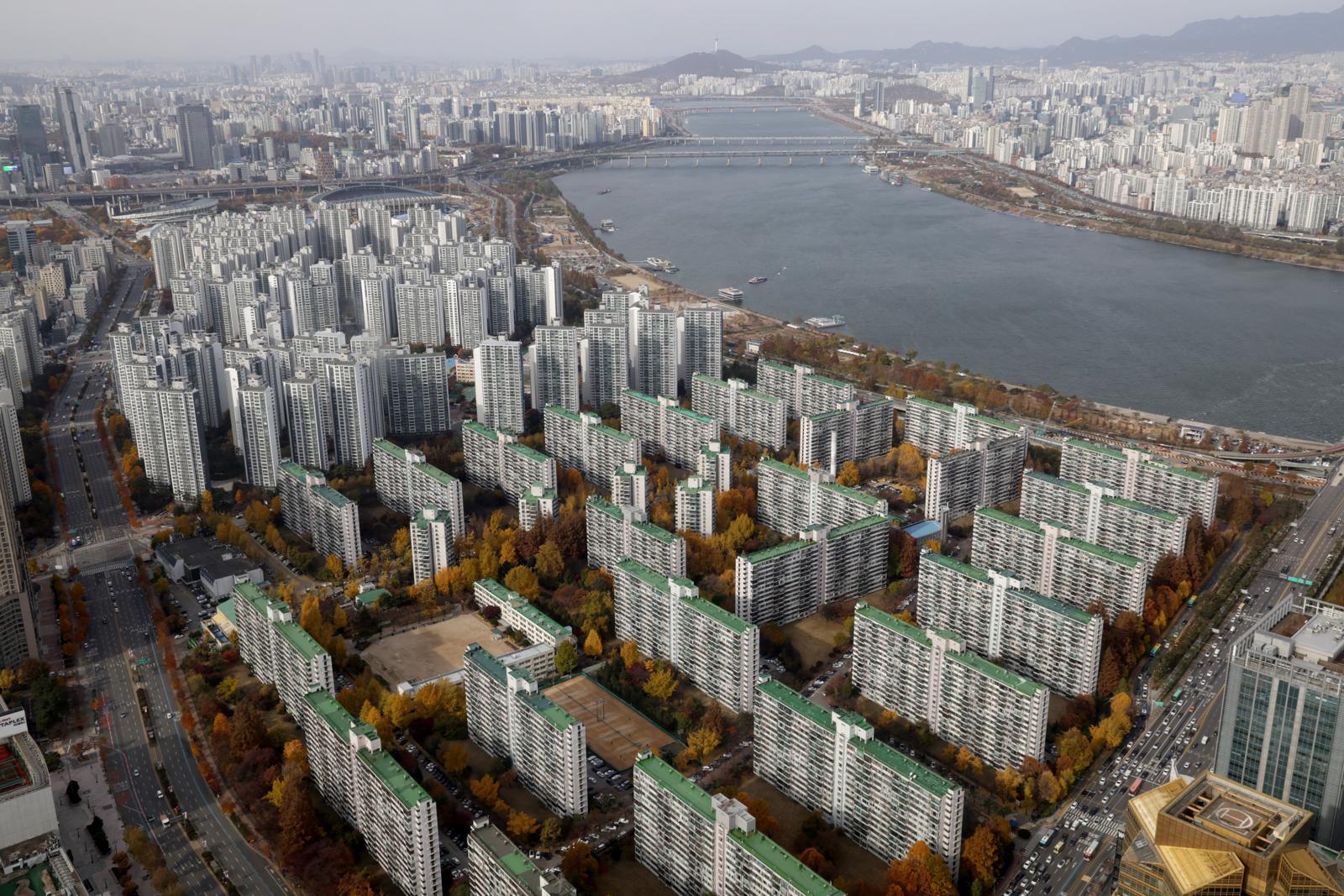
South Korean authorities are reportedly moving to extend the window for a critical tax relief measure, allowing multi-homeowners to benefit from a capital gains tax heavy taxation exemption if they apply for land transaction permits by May 9.
The move comes as the current grace period for the heavy taxation on capital gains for owners of multiple properties is set to expire on May 9. According to reports, the administration is pursuing a policy where the exemption will still be granted to those who have submitted their land transaction permit applications by that specific deadline.
This policy adjustment is aimed at providing a buffer for property owners and stabilizing the real estate market by ensuring that those in the process of executing transactions are not unfairly penalized by the sudden expiration of the tax relief.
Understanding the Capital Gains Tax Exemption
In South Korea, multi-homeowners are typically subject to higher capital gains tax rates to curb real estate speculation. However, the government has previously implemented a “heavy taxation exemption” (중과 유예), which allows these owners to pay taxes at standard rates rather than the punitive higher rates for a limited period.
The core of the current discussion centers on the transition period. By allowing the exemption to apply to those who apply for land transaction permits by May 9, the government seeks to prevent a market shock that could occur if a large volume of sales were rushed or frozen immediately before the deadline.
Impact on Multi-Homeowners and Market Stability
For investors and homeowners holding multiple properties, the timing of a sale is critical. The difference between the standard tax rate and the heavy taxation rate can amount to significant financial sums, influencing whether a property is listed for sale or held.

The focus on the land transaction permit application date is a strategic move. It recognizes that the actual closing of a real estate deal often takes longer than the application process and providing this window ensures that sellers who initiated their process before the deadline are protected.
Key Timeline for Property Owners
- Deadline for Exemption: May 9
- Eligibility Criteria: Submission of land transaction permit application by the deadline
- Objective: To mitigate the impact of the expiration of the heavy taxation grace period
Broader Economic Context and Political Friction
While the administration focuses on these tactical tax adjustments, the broader real estate landscape remains a point of intense political contention. Opposing political factions have raised concerns regarding the government’s handling of the economy and the legal system.
For instance, the People Power Party (국민의힘) has recently criticized the current administration, claiming that “real estate dictatorship” and the “destruction of the judiciary” must stop, asserting that the public’s livelihood has reached a breaking point via breaknews.com.
This friction highlights the volatility of real estate policy in South Korea, where tax laws are often used as primary tools for both economic stabilization and political signaling.
Summary of Tax Relief Measures
| Condition | Tax Treatment | Deadline/Requirement |
|---|---|---|
| Standard Exemption Period | Standard Rates | Until May 9 |
| Permit Application by May 9 | Exemption Allowed | Application submitted by May 9 |
| Post-Deadline Transactions | Heavy Taxation | After May 9 (without prior application) |
The next critical checkpoint for stakeholders will be the official confirmation of the administrative guidelines regarding the processing of these permits and the finalization of the tax filing window following the May 9 deadline.
We invite our readers to share their perspectives on how these tax adjustments affect global investment trends in the Asian real estate market in the comments section below.
Related reading