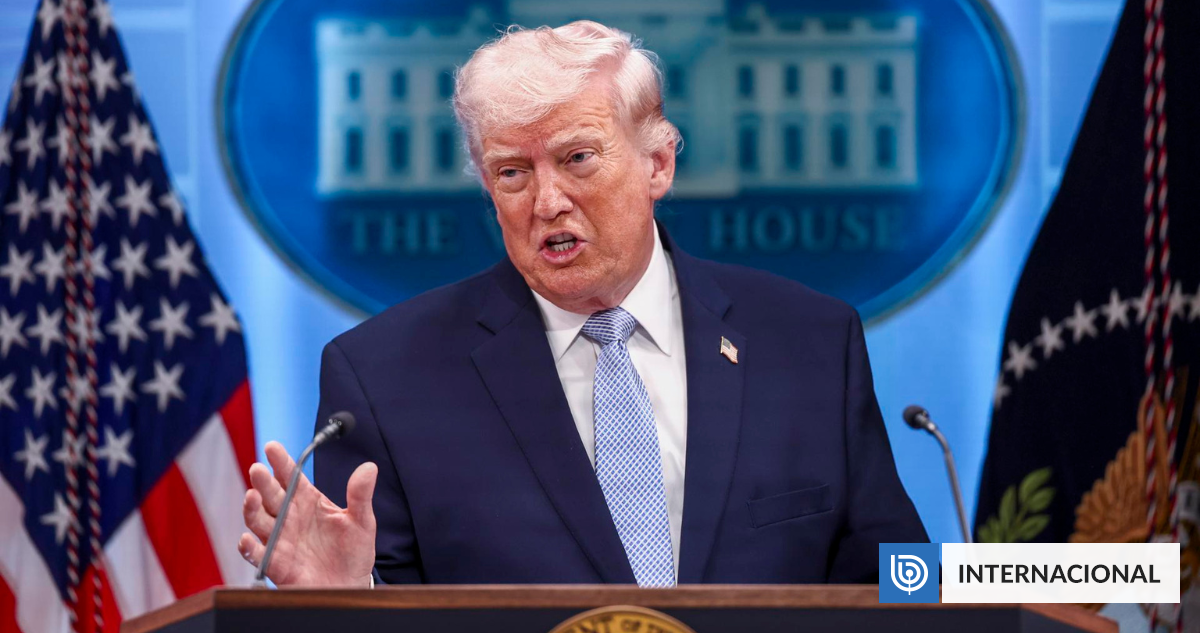
The geopolitical stability of the Middle East is currently teetering on a knife-edge as the United States issues a stark ultimatum to Tehran. In a series of high-stakes communications, President Donald Trump warns Iran to reopen Strait of Hormuz by Tuesday or face what he described as “hell,” escalating a confrontation that threatens to disrupt global energy markets and ignite a wider regional conflict.
This ultimatum follows a critical blockage of the Strait of Hormuz, one of the world’s most vital maritime chokepoints. The tension is further compounded by an ongoing US-Israel military posture against Iran, marking a significant shift toward direct confrontation in a region already fraught with volatility.
While diplomatic channels remain open, the window for a peaceful resolution is closing rapidly. The administration has signaled that its patience has reached a breaking point, moving from strategic pressure to explicit threats of severe military retaliation if the waterway is not cleared immediately.
The Tuesday Deadline and Threats of ‘Hell’
The current crisis reached a fever pitch following reports that the U.S. Administration has set a hard deadline for the restoration of maritime traffic. According to reports from The Guardian, President Trump has warned Iran that failure to reopen the strait by Tuesday will result in the country facing “hell.”

The rhetoric accompanying these demands has been notably aggressive. The BBC has detailed that the threats issued by the U.S. President were “expletive-laden,” reflecting a level of frustration and urgency that suggests a departure from traditional diplomatic caution (BBC).
The blockage of the Strait of Hormuz is not merely a bilateral dispute but a global economic threat. Because a vast majority of the world’s seaborne oil passes through this narrow corridor, any prolonged closure risks a spike in global energy prices and a severe disruption to international shipping lanes, placing immense pressure on the U.S. To ensure maritime security.
Ceasefire Negotiations: ‘Significant but Not Good Enough’
Despite the looming military threat, there have been attempts to resolve the standoff through negotiation. Iran has presented a ceasefire proposal aimed at de-escalating the current hostilities and addressing the blockage of the strait.
However, the White House has remained skeptical of the offer. President Trump characterized the Iranian proposal as “significant,” but explicitly stated that it is “not good enough” to satisfy U.S. Demands as the Tuesday deadline nears (CNBC).
The gap between the two parties appears to center on the specific conditions under which the strait would be reopened and the broader security guarantees required by the U.S. And its allies. For the administration, a “significant” proposal is insufficient if it does not ensure the permanent and unconditional flow of commercial traffic through the region.
Why the Strait of Hormuz Matters
To understand the gravity of this ultimatum, the strategic importance of the Strait of Hormuz. It is the only sea passage from the Persian Gulf to the open ocean, serving as the primary artery for oil exports from Saudi Arabia, Iraq, Kuwait, and the UAE.
A closure of this waterway creates an immediate geopolitical crisis because it grants Iran immense leverage over the global economy. By restricting access, Tehran can effectively trigger an energy shock, influencing everything from gasoline prices at the pump to the cost of industrial manufacturing worldwide. For the United States, maintaining the “freedom of navigation” is a core pillar of its national security and global trade policy.
The Path Toward Potential Escalation
The current trajectory suggests a high risk of military engagement. The involvement of Israel in the broader strategic context—often cited as a joint US-Israel effort against Iranian influence—increases the likelihood that any U.S. Action could trigger a multi-front conflict.
Military analysts point to the “hell” rhetoric as a signal that the U.S. May be preparing options beyond targeted strikes, potentially including a full-scale effort to forcibly reopen the strait. Such an operation would likely involve a massive deployment of naval assets and could lead to direct clashes between the U.S. Navy and Iranian coastal defenses or quick-attack craft.
The global community is now watching the clock. With the deadline set for Tuesday, the world faces a critical 24-to-48-hour window where a single miscalculation or a failed diplomatic overture could transition this standoff from a war of words into a kinetic conflict.
Key Takeaways of the Current Crisis
- Hard Deadline: President Trump has demanded the reopening of the Strait of Hormuz by Tuesday.
- Severe Warnings: The U.S. President has threatened that Iran will face “hell” if the deadline is missed.
- Diplomatic Deadlock: An Iranian ceasefire proposal was deemed “significant” but “not good enough” by the U.S. Administration.
- Economic Risk: The blockage threatens global energy security and international shipping lanes.
- Military Context: The escalation occurs within the framework of a broader US-Israel strategic campaign against Iran.
The next critical checkpoint is Tuesday, when the world will see if Iran complies with the U.S. Demand to reopen the strait or if the administration follows through on its threats of military retaliation. We will continue to monitor official statements from the White House and the Pentagon as the deadline approaches.
Do you believe diplomatic solutions can still prevail, or is military intervention inevitable in the Strait of Hormuz? Share your thoughts in the comments below and share this report to keep others informed.
Related reading