In a sweeping directive aimed at reclaiming public resources and restoring administrative integrity, President Lee Jae-myung has ordered a massive crackdown on illegal facilities occupying river and valley areas across the nation. The administration’s plan to address approximately 85,000 illegal structures marks one of the most significant efforts to date to rectify long-standing “abnormalities” in land management and public space usage.
The order, issued following a high-level Cabinet meeting, focuses on the restoration of state-owned land and the immediate demolition of unauthorized installations that have long obstructed public access to natural waterways. For many citizens, the move is seen as a long-overdue attempt to “normalize” the management of public assets and ensure that natural beauty and resources are available to all, rather than being monopolized by a few.
A Massive Scale of Administrative Discrepancy
The scale of the impending cleanup has sent shockwaves through local government circles. While previous assessments had identified significantly lower numbers of illegal occupations, the current mandate targets a staggering 85,000 cases. This massive jump in reported figures suggests that the previous monitoring efforts were fundamentally inadequate, revealing a deep-seated gap between official records and the reality on the ground.
The discrepancy is not merely a matter of statistics; it has become a central point of political and social contention. The administration has characterized this gap as a symptom of administrative neglect and a failure of oversight. President Lee has signaled that the government will not only focus on the physical removal of these structures but will also launch intensive investigations into potential dereliction of duty by local officials who may have permitted these facilities to operate openly for years.
The President’s stance is clear: if inspections were conducted in the past and these thousands of cases remained undetected, it moves beyond simple oversight into the realm of systemic failure. This push for administrative reform is intended to rebuild the broken link between the state and its citizens, ensuring that laws are applied uniformly across all regions.
Eradicating Overcharging and Restoring Public Trust
Beyond the physical reclamation of land, the crackdown is a direct response to the economic frustrations of the public. Illegal facilities in popular valley and river areas have frequently been associated with overcharging and predatory pricing—often referred to as “price gouging”—which has made natural recreation sites inaccessible to many families.
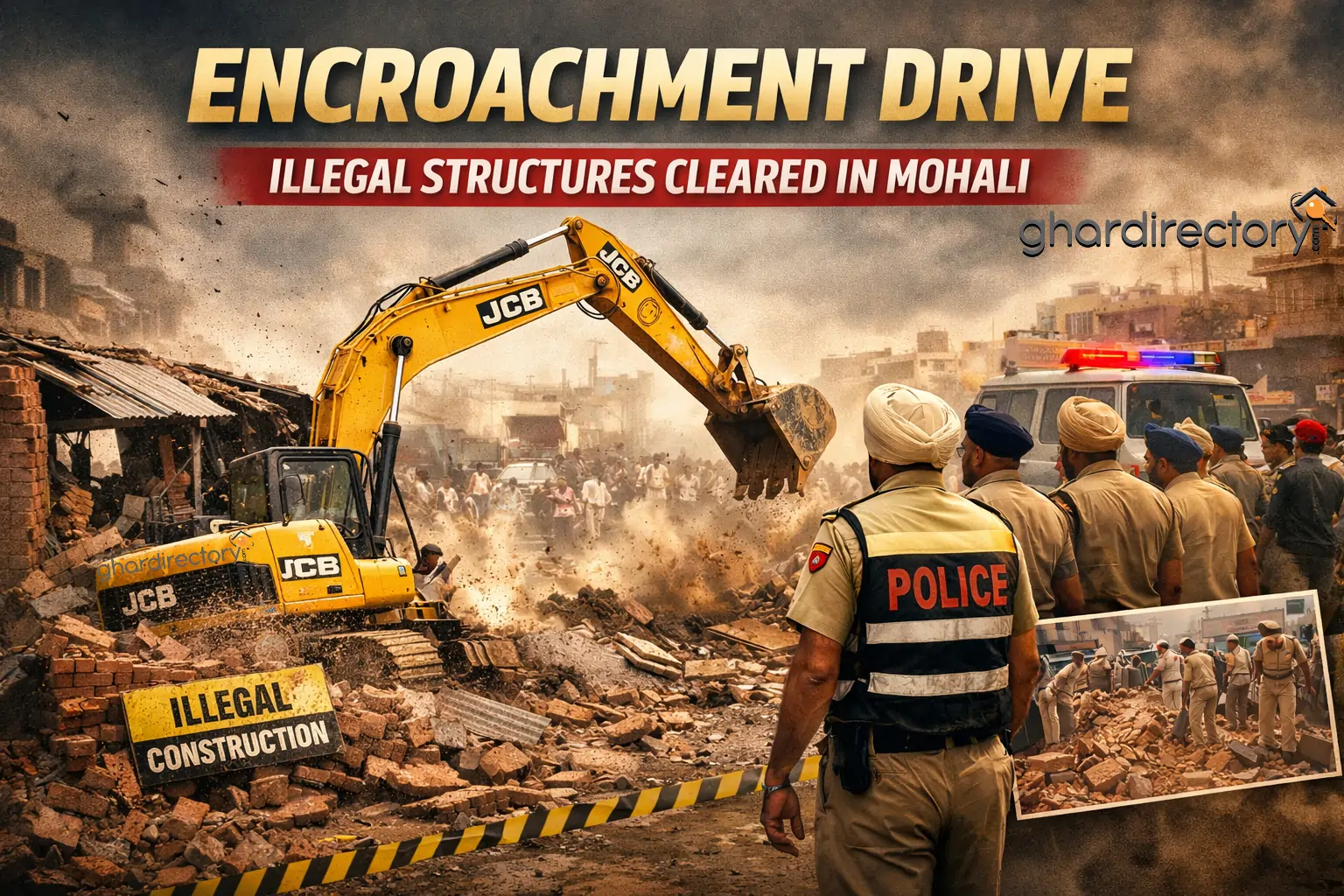
By removing these unauthorized businesses, the administration aims to achieve several key objectives:
- Livelihood Stability: Reducing the financial burden on citizens by eliminating inflated prices for food and services in public areas.
- Fairness in Competition: Ensuring that legitimate businesses, which follow environmental and zoning laws, are not disadvantaged by illegal competitors.
- Public Access: Restoring the ability for all citizens to enjoy “clean valleys” and riverfronts without being forced into expensive, unauthorized commercial zones.
The President has emphasized that This represents fundamentally a “trust in state affairs” issue. When illegal structures operate with impunity, it sends a message that the law is negotiable, which ultimately erodes the authority of law enforcement and the credibility of the state.
The Structural Challenge of Illegal Occupations
One of the most complex aspects of this crackdown is the structural nature of the problem. Illegal facilities in these sensitive ecological zones do not appear overnight; they are often deeply integrated into local economies and infrastructure. Many of these structures have secured unauthorized connections to electricity and water networks, which are key indicators of their long-term, semi-permanent operation.
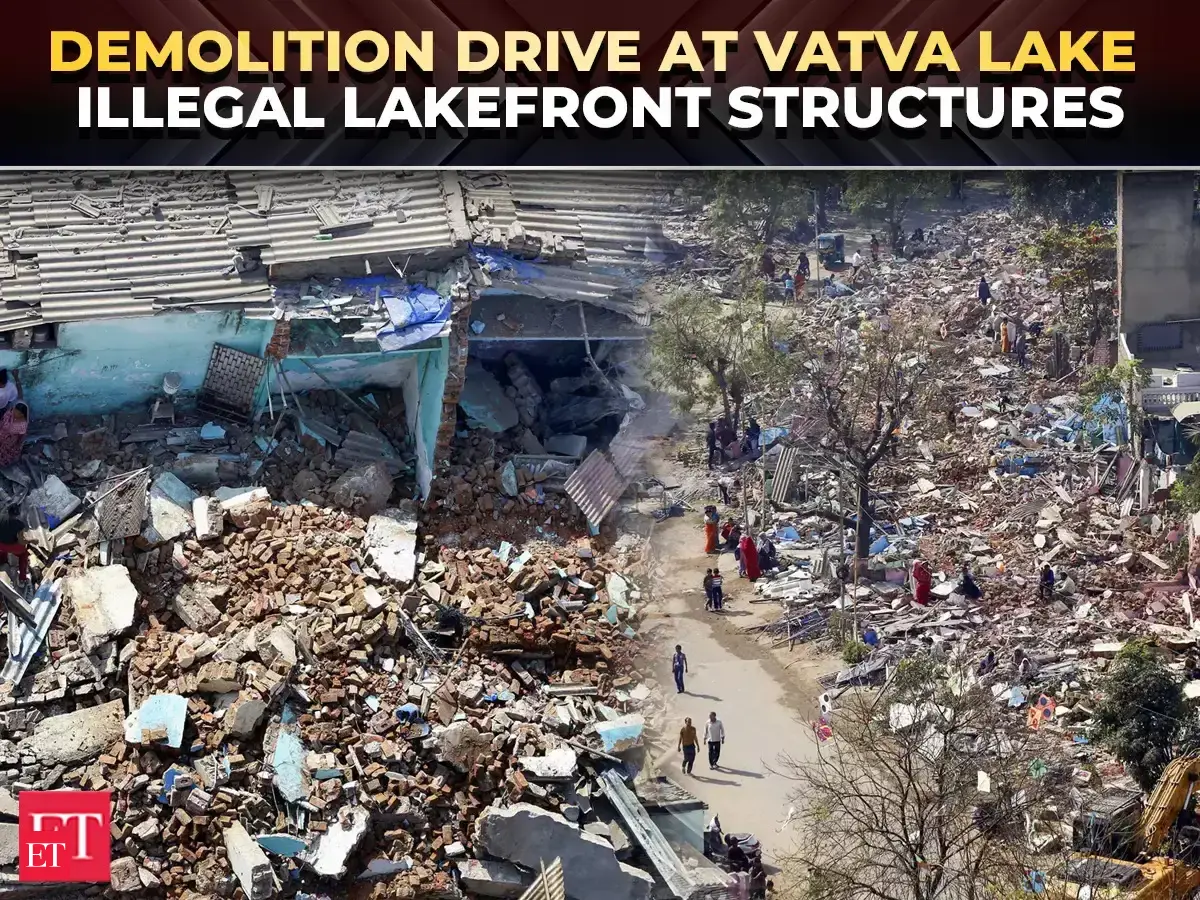
Experts note that the persistence of these facilities often stems from a cycle of “tolerance and neglect.” In many instances, businesses have been demolished only to resume operations once enforcement measures eased, or they have moved slightly to exploit loopholes in local zoning. This cycle has reinforced a system where those who follow the law feel penalized, while those who bypass it continue to profit.
Key Takeaways of the Valley Cleanup Directive
| Focus Area | Core Objective | Targeted Action |
|---|---|---|
| Land Management | Restoration of state-owned land | Demolition of 85,000 illegal structures |
| Economic Fairness | Eradication of overcharging | Removing predatory commercial zones |
| Governance | Administrative reform | Investigating dereliction of duty |
| Public Utility | Normalization of abnormalities | Ensuring equitable access to nature |
Looking Ahead: The Path to Normalization
As the administration moves from directive to implementation, the focus will shift toward the coordination between central government agencies and local municipalities. The success of this operation will depend heavily on the ability of local governments to move past years of “lax enforcement” and cooperate with the intensive inspections ordered by the President.

The upcoming weeks will be critical as the first wave of inspections begins. The government is expected to provide regular updates on the number of successful demolitions and, perhaps more importantly, the progress of investigations into the administrative failures that allowed these illegal occupations to flourish.
Next Official Checkpoint: The administration is expected to release a follow-up report detailing the initial results of the intensive inspections and the status of investigations into local official conduct.
What are your thoughts on this massive crackdown? Do you believe this will finally restore fairness to our public spaces? Share your views in the comments below and share this article to keep the conversation going.