Jung Hoo Lee Defensive Highlights Earn Praise as San Francisco Giants Monitor Recovery
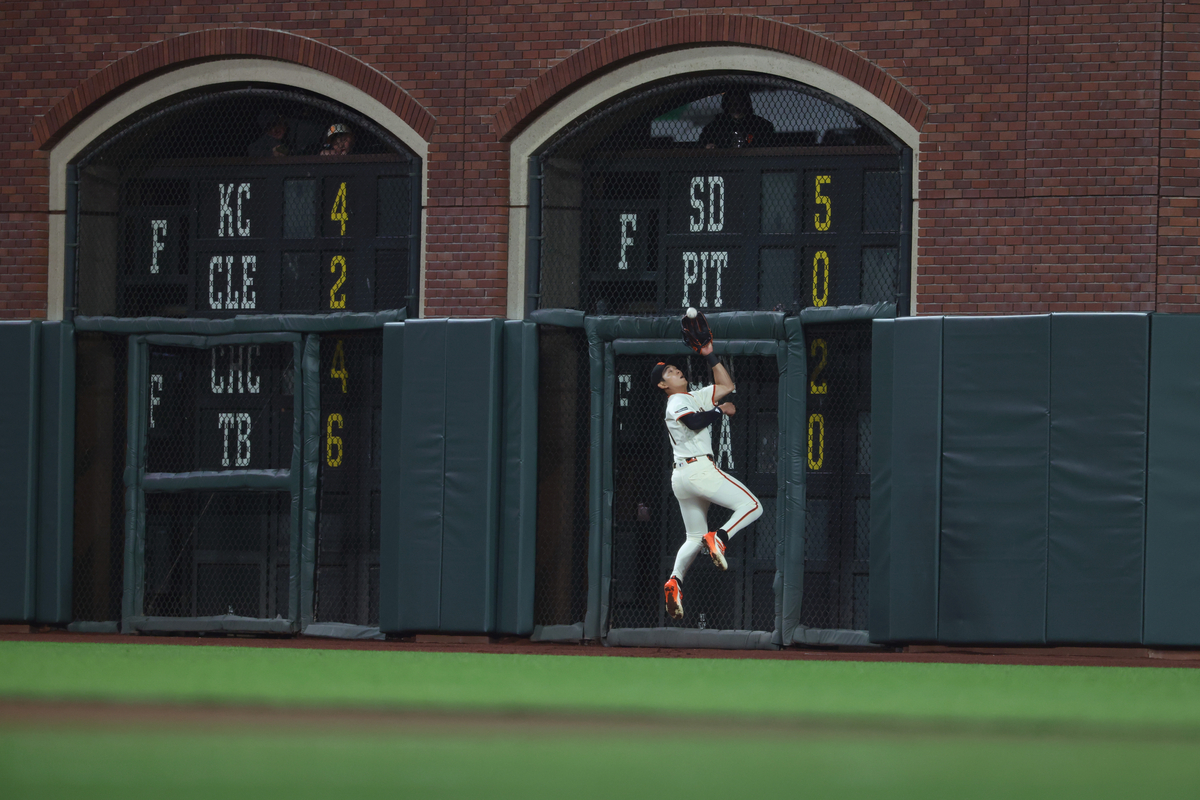
San Francisco Giants outfielder Jung Hoo Lee has garnered significant attention from Major League Baseball analysts and fans following a series of high-intensity defensive plays, most notably a spectacular catch involving a collision with the outfield wall. While Lee’s ability to track fly balls has become a focal point of local media coverage, the conversation around the outfielder has recently shifted toward his defensive impact and his subsequent recovery from a significant shoulder injury.
The outfielder, who joined the Giants from the KBO’s Kiwoom Heroes, has demonstrated a fearless approach to defensive positioning. According to reports highlighted by MLB.com, Lee’s willingness to engage with the outfield fence has been a defining characteristic of his early tenure in San Francisco. This aggressive style of play has been described by local observers as a way of overcoming the physical hesitation often seen in players adjusting to the dimensions of Major League ballparks.
What made Jung Hoo Lee’s defensive play significant?
The recent acclaim for Lee stems from his ability to execute “super catches” that require him to sprint toward the warning track and plant himself against the wall. Local sports media have noted that these plays are not merely about the catch itself, but about the “hustle” and lack of fear Lee displays when navigating the perimeter of the field. This defensive tenacity has been framed as a “last exclamation point” on his ability to contribute to the team’s defensive identity.

For many players, the transition to the Major Leagues involves a period of adjustment to the speed of the game and the physical risks of outfield play. Lee’s ability to dive and crash into the padding without hesitation has resonated with the San Francisco fanbase. Analysts suggest that this high-effort style helps mitigate the impact of fly balls that might otherwise result in extra-base hits, thereby providing direct value to the Giants’ pitching staff.
The defensive metrics associated with such plays often translate into higher confidence for the team’s infield and pitching rotations. By securing difficult outs at the wall, Lee effectively reduces the number of high-stress innings for the Giants’ starters. This synergy between defensive reliability and pitching performance is a key component of how the team’s roster is being evaluated by coaching staff.
How does Jung Hoo Lee’s defensive presence affect the Giants’ pitching staff?
The relationship between an outfielder’s defensive range and a pitcher’s effectiveness is a critical factor in Major League success. As reported by various sports outlets, Lee’s presence in the outfield provides a stabilizing effect for the Giants’ rotation, particularly for the team’s ace. When a pitcher can rely on an outfielder to track down deep fly balls, they can focus more heavily on executing their primary pitch sequences rather than worrying about defensive lapses.
This defensive synergy was a recurring theme in discussions regarding the Giants’ recent performances. The ability of the outfield to “complete” the work of the pitcher—turning a potential double into a routine out—is a nuance that has not gone unnoticed by the San Francisco coaching staff. This dynamic is particularly important for pitchers who rely on movement and contact management rather than pure velocity.
Furthermore, the psychological impact of a reliable defense cannot be overstated. When players like Lee demonstrate a commitment to “hustle plays,” it sets a standard for the rest of the roster. This culture of effort is often cited by managers as a foundational element in building a competitive team environment, especially during the long stretches of a 162-game season.
What is the current status of Jung Hoo Lee’s injury recovery?
Despite the praise for his defensive highlights, Lee’s 2024 season was interrupted by a significant physical setback. The outfielder underwent surgery to address a right shoulder subluxation, an injury that sidelined him for a substantial portion of the year. The injury, which occurred in the early months of his debut season, has necessitated a disciplined rehabilitation process to ensure he returns to full strength.
The Giants’ medical and training staff have been managing his recovery with the goal of preparing him for a full workload in the upcoming season. While the injury prevented him from contributing on the field during the summer months, his presence in the clubhouse and his involvement in the team’s defensive discussions have remained points of interest for the organization. The focus remains on his physical readiness to handle the rigors of Major League outfield play, which includes the very high-impact collisions that made him famous earlier in the year.
For the Giants, the timeline for Lee’s return is a key factor in their long-term roster construction. The organization has invested heavily in his development and integration into the team, making his health a top priority for the front office. The medical staff’s ability to navigate the complexities of shoulder rehabilitation will determine how quickly Lee can return to his role as a cornerstone of the Giants’ lineup.
How has Jung Hoo Lee transitioned from the KBO to Major League Baseball?
Jung Hoo Lee’s move to the Major Leagues represents one of the more significant international signings in recent years. After a highly successful career in the KBO League with the Kiwoom Heroes, Lee signed a six-year, $116 million contract with the San Francisco Giants. This contract reflects the high expectations placed on him not only as a hitter but as a complete player who can impact multiple facets of the game.
:max_bytes(150000):strip_icc():focal(999x0:1001x2)/jung-hoo-lee-san-francisco-giants-012226-2-df24ca51051b45649814640cf6c452ad.jpg "How has Jung Hoo Lee transitioned from the KBO to Major League Baseball?")
The transition from the KBO to MLB involves significant adjustments in pitching velocity, breaking ball movement, and the overall physical demands of the schedule. Lee’s ability to adapt his contact-oriented hitting style to the Major League environment has been a primary focus of his training. While the injury has slowed his statistical accumulation in the United States, his fundamental skills—specifically his bat speed and defensive instincts—have already been validated by his performance during his active stretches.
His journey from South Korea to San Francisco serves as a blueprint for other international players looking to make the jump to the Major Leagues. The success of such transitions often depends on a combination of elite talent, mental toughness, and the ability to integrate into a new cultural and professional environment. Lee’s early demonstrations of “hustle” and defensive bravery suggest that he is successfully navigating these challenges.
As the Giants look toward the next season, the integration of Lee’s veteran experience from the KBO and his evolving Major League skill set will be vital. The organization is banking on his ability to provide both offensive production and elite defense as they compete in the highly competitive National League West.
The next major checkpoint for Jung Hoo Lee will be his participation in the upcoming Spring Training activities, where his physical conditioning and readiness for game action will be officially assessed by the San Francisco Giants coaching staff.
What are your thoughts on Jung Hoo Lee’s impact on the Giants’ defensive identity? Share your comments below and share this article with fellow baseball fans.
Related reading
- Why the Sydney Roosters’ Indigenous Round Jersey is an Australian First
- Franco Baresi, Milan Legend and Italy Icon, Dies at 66: Tributes and Funeral Details
- Padres Acquire Robbie Ray From Giants to Bolster Injury-Hit Rotation (time.news)
- China’s AI Sector Challenges US Rivals With High-Performance Models (archyworldys.com)