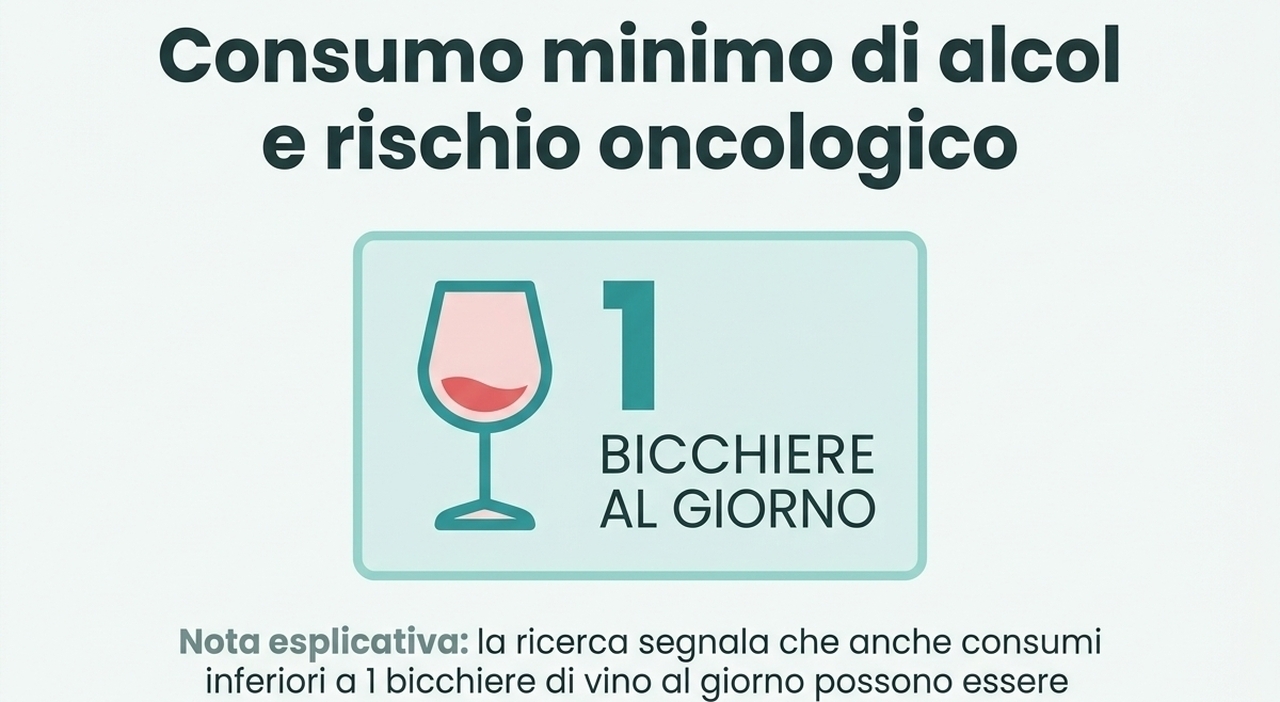
Current medical consensus indicates that there is no level of alcohol consumption that can be considered entirely safe regarding cancer risk, challenging long-standing beliefs that moderate intake might offer cardiovascular benefits. Major health organizations, including the World Health Organization (WHO), now emphasize that the carcinogenic risks—particularly for breast, esophageal, and colorectal cancers—outweigh potential protective effects, marking a significant shift in public health guidance.
For decades, the “French paradox” and observational studies suggested that a daily glass of wine could promote heart health. However, recent large-scale meta-analyses and data from global health authorities have prompted a re-evaluation of these claims. As a physician, I have observed this evolution in clinical guidelines firsthand; the medical community is moving away from recommending any alcohol for health purposes, prioritizing the prevention of chronic disease over outdated perceptions of moderate consumption.
The Shift in Medical Guidance on Alcohol Consumption
The transition in scientific understanding is largely driven by refined data analysis. According to the World Health Organization (WHO), alcohol is a Group 1 carcinogen, a classification it shares with tobacco and asbestos. This categorization is based on overwhelming evidence that ethanol metabolism produces acetaldehyde, a chemical that damages DNA and prevents the body from repairing the resulting cellular damage. The WHO statement confirms that the risk of developing cancer increases substantially from the very first drop of alcohol consumed.

While previous studies often highlighted a “J-shaped” curve—suggesting that light drinkers had fewer heart problems than abstainers—modern research attributes these findings to “sick quitter” bias. Many people in the “abstainer” group of older studies had stopped drinking due to pre-existing health conditions, which artificially inflated the health outcomes of the moderate-drinking group. When researchers account for these confounding factors, the perceived protective effect of alcohol on the cardiovascular system largely disappears, as detailed in findings published by the Lancet Public Health.
Understanding the Cancer Risk
The link between alcohol and cancer is dose-dependent, but not threshold-dependent. This means that while heavier consumption carries a significantly higher risk, even low-level consumption—defined as less than one drink per day—contributes to the global cancer burden. The International Agency for Research on Cancer (IARC) has identified clear causal links between alcohol intake and several specific types of malignancies.

- Breast Cancer: Even at low levels of intake, alcohol increases estrogen levels, which can stimulate the growth of hormone-receptor-positive breast cancer cells.
- Esophageal and Head/Neck Cancers: Acetaldehyde directly irritates the mucosal lining of the upper digestive tract, leading to cellular mutations.
- Colorectal Cancer: Alcohol consumption is consistently associated with an elevated risk of developing tumors in the colon and rectum, regardless of the type of beverage consumed.
It is important to note that the type of alcohol—whether wine, beer, or spirits—does not mitigate these risks. The primary culprit is ethanol, which is metabolized into the same carcinogenic byproduct regardless of the source. The National Cancer Institute provides comprehensive data on these mechanisms, noting that the risk is cumulative over a lifetime.
Cardiovascular Health vs. Oncological Risk
The debate often centers on the heart. Many patients ask if the potential benefits of polyphenols, such as resveratrol found in red wine, justify a daily glass. From a clinical perspective, the answer is increasingly clear: the cardiovascular “benefits” are negligible when compared to the well-documented increase in oncological risk. The American Heart Association does not recommend drinking alcohol to gain potential health benefits, noting that any perceived improvement in heart health can be achieved more safely through diet, exercise, and blood pressure management.
Furthermore, the systemic inflammation caused by regular alcohol consumption can exacerbate conditions such as hypertension and cardiomyopathy. The medical community now emphasizes a “less is better” approach. If you choose to drink, the goal should be to keep consumption at the absolute minimum rather than aiming for a “healthy” daily quota that does not exist in clinical reality.
Moving Forward: A Public Health Perspective
The era of viewing alcohol as a medicinal or protective supplement has effectively ended. Public health policy is increasingly focused on clear labeling and educational campaigns to ensure that consumers are aware of the risks associated with even occasional intake. For individuals concerned about their health, the most effective strategy is to discuss alcohol habits with a primary care provider, especially if there is a family history of cancer.
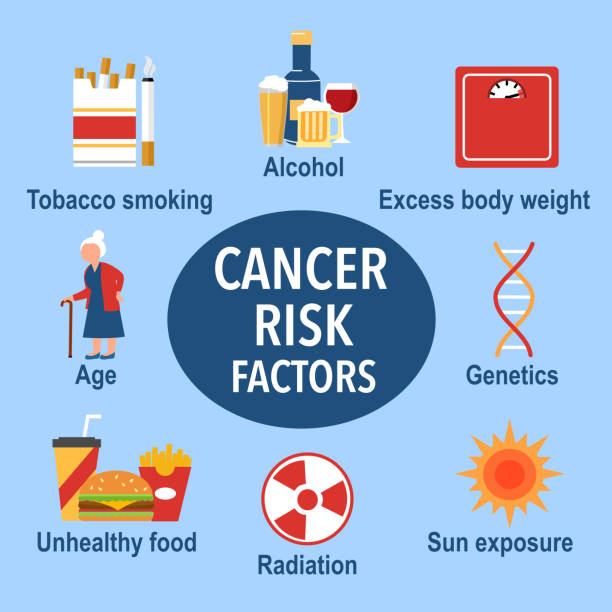
Future updates from the World Health Organization regarding alcohol control strategies are expected to continue emphasizing the need for stricter regulation of marketing and improved public awareness. As we continue to refine our understanding, the focus remains on individual empowerment through accurate, evidence-based information. We encourage our readers to stay informed by following updates from national health ministries and to share this information with those who may still rely on outdated health myths.
Related reading