The Future of Entertainment is Being Written in South Korea – adn Beyond
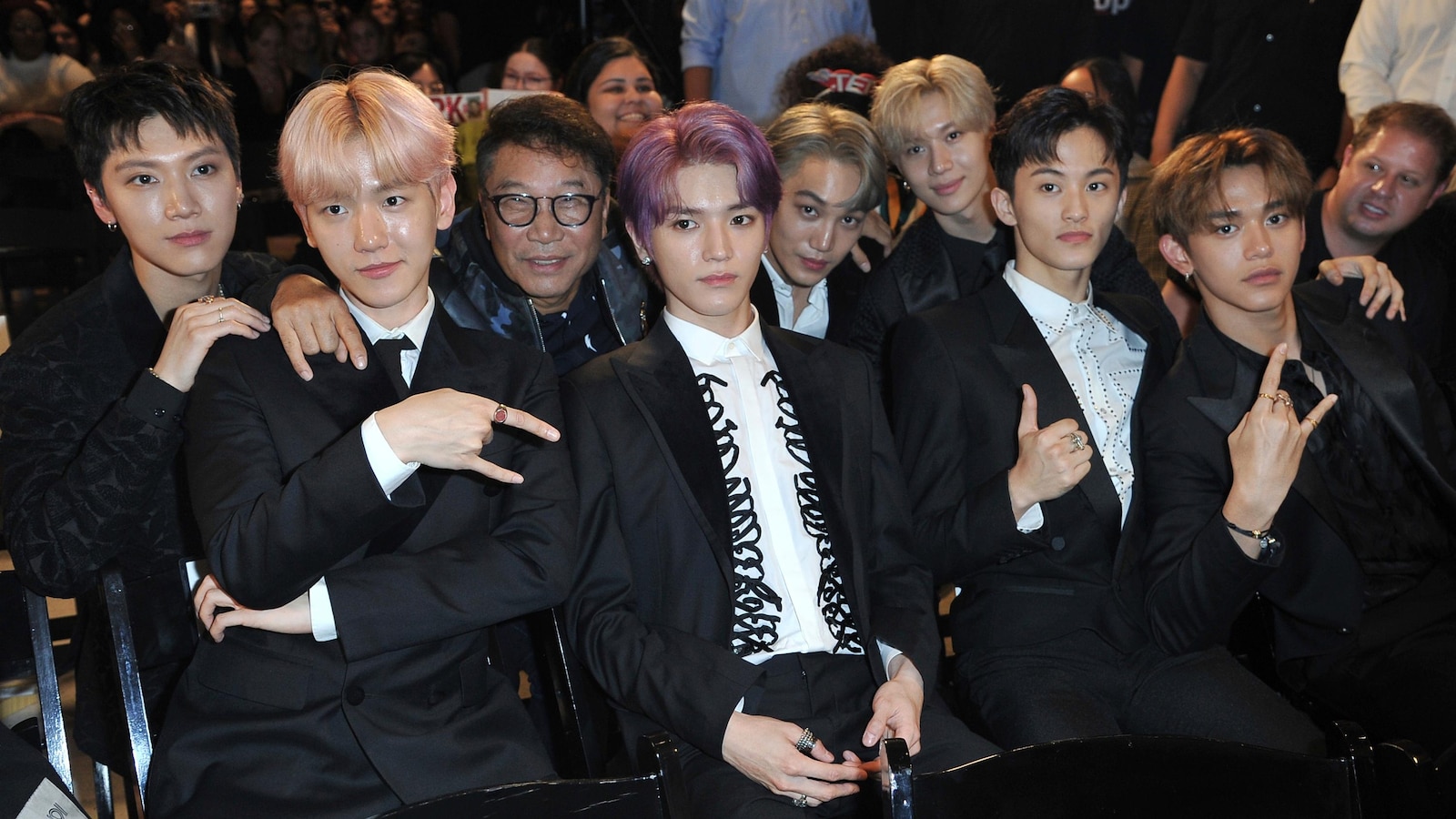
Lee Soo-man, a pivotal figure in the global rise of K-pop, envisions a dramatic shift in the entertainment landscape. He believes South Korea is poised to become a global hub for music production, nurturing international talent and shaping the future of pop culture. This isn’t just about K-pop anymore; it’s about establishing a new creative ecosystem with Asia-Pacific at its center.
A Regional Powerhouse
The Asia-Pacific region, home to over half the world’s population, is naturally becoming the focal point for entertainment innovation.Lee sees this as an unavoidable evolution, and his latest venture with A20 MAY – operating in both China and the U.S. – is a direct attempt to capitalize on this trend. He’s testing this vision in China, a market known for its complexities and rapid growth.
However, navigating the Chinese entertainment industry requires a nuanced approach. Recent regulatory changes in china have focused on curbing what authorities deem “effeminate” displays by male celebrities and limiting certain aspects of youth culture. Despite these challenges, Lee remains optimistic.
“Political risk?” he stated, seemingly unconcerned.”I don’t really know much about that.”
His strategy centers on aligning South Korea’s creative strengths with China’s ambitions to expand its global influence through soft power. He believes there’s a genuine demand for the quality and innovation coming from South Korea. “Culturally, does China need what we do? I believe thay do.”
Addressing the Dark Side of Stardom
The pursuit of global dominance isn’t without its shadows. A recent documentary explored the tragic reality of artist suicides within the K-pop industry, a topic deeply personal to Lee. He identifies a key contributing factor: the pervasive issue of anonymous,malicious online harassment.
These attacks often originate from servers outside South Korean jurisdiction, making accountability incredibly difficult. Lee advocates for a global solution, proposing:
* Universal user verification standards.
* International mediation systems allowing victims to identify attackers without prohibitive legal costs.
He views this as a global problem requiring international cooperation, not just a K-pop specific issue.
Focusing on the Future, Not Just the Problems
Lee is frustrated by the media’s tendency to dwell on the negative aspects of K-pop. He challenges the narrative of equal weight given to the “dark side” versus the potential for future growth.
“Should we always weigh the dark side equally with the radiant side, the future?” he asks. “Media should consider whether K-pop represents more future or more past that holds us back.”
He urges a shift in focus, advocating for discussions centered on innovation and progress rather than solely on past controversies. He believes dwelling on negativity hinders the industry’s potential.
K-Pop: A Universal Language
After more than three decades at the forefront of the industry,Lee’s core belief remains unchanged. He defines K-pop as a new form of communication, a language that transcends cultural and linguistic barriers.
“These languages move around naturally – what you can’t stop is culture,” he asserts. Ultimately, Lee’s vision isn’t just about exporting a musical genre; it’s about building a global infrastructure for creative expression, with South Korea leading the charge. You can expect to see continued innovation and expansion as K-pop and the broader Korean entertainment industry continue to shape the future of global pop culture.