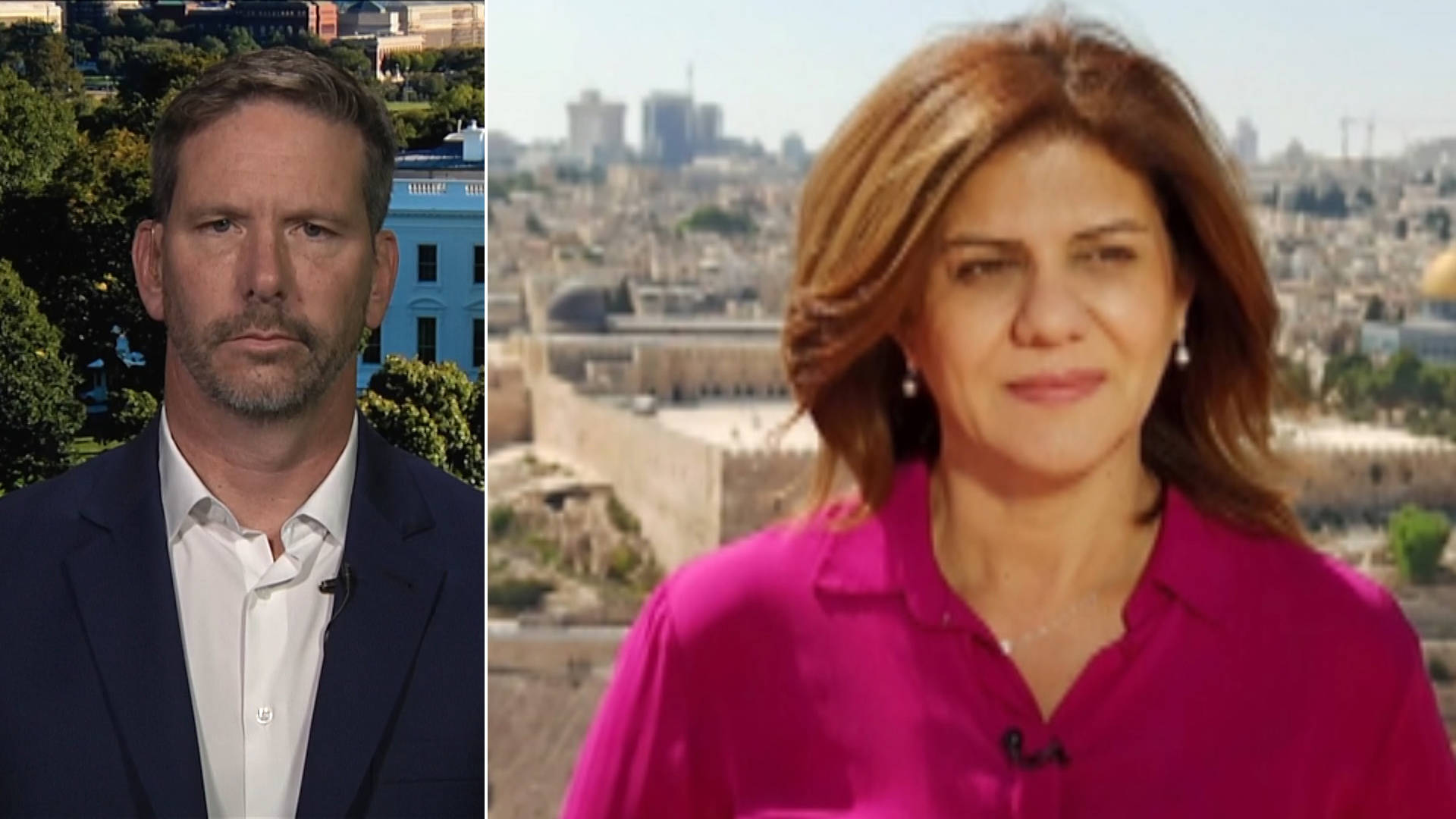
Former U.S. Official Reveals Internal Concerns Over Investigation into shireen Abu Akleh’s Killing, Accuses biden Administration of Inaction
A retired U.S. Colonel, Steve Gabavics, has broken his silence, detailing his concerns over the Biden administration‘s handling of the investigation into the death of Palestinian-American journalist Shireen Abu Akleh. Gabavics, who was involved in the initial analysis of the incident, alleges a deliberate downplaying of Israeli duty and a lack of follow-through after early indications pointed to intentional targeting.
The interview, conducted by Amy Goodman on Democracy Now!, reveals a stark contrast between the initial rhetoric from the Biden administration – promising justice for Abu Akleh’s killing – and the subsequent silence and lack of accountability. Gabavics’ testimony adds critically important weight to growing criticism surrounding the U.S. response to the journalist’s death,raising serious questions about the influence of political considerations on investigations involving Israeli actions.
Initial Findings Pointed to Intentionality
Shireen Abu Akleh, a veteran reporter for Al Jazeera, was fatally shot on May 11, 2022, while covering an Israeli military raid in Jenin, West Bank.Gabavics, while serving in the military, was part of the team tasked with examining the circumstances surrounding her death. He states that the initial assessment, based on available evidence, strongly suggested the shooting was intentional.
“When it was a Palestinian gunman,what was thought to be a Palestinian gunman,[biden] said,’We will find who this was. We will make sure there’s justice for the killing of shireen Abu Akleh,'” Gabavics recounted. However, he asserts that this commitment evaporated once evidence emerged indicating the shooter was not Palestinian. “But then, after that statement came out on July 4th, we never heard anything again from the administration whatsoever to hold Israel accountable for anything. And once there was no Palestinian gunman, thay weren’t after look and find an answer for who actually killed her.”
Gabavics’ assessment paints a picture of an investigation that was effectively halted once it became clear that Israeli forces were likely responsible. He describes the administration’s response as “inaction, a cover-up to some degree,” driven by a reluctance to jeopardize relations with israel. He believes the administration prioritized avoiding diplomatic friction over pursuing justice for an American citizen.
Why Speak Out now? A Matter of Conscience and accountability
For months, Gabavics remained anonymous, even participating in the Who Killed Shireen? documentary under undisclosed identity. He explains his initial hesitation stemmed from concerns about potential repercussions, including threats and personal ramifications. Tho, he ultimately decided to come forward, citing a growing sense of moral obligation.
“This had, like, sort of remained on my conscious continuously,” Gabavics explained.”After the documentary came out, I was looking to come forward… I need to keep this going, I need to talk about it, as what we need to have happen is there needs to be action taken.”
He emphasized the critical need to hold perpetrators accountable for the killing of American citizens abroad, nonetheless of the circumstances or the identity of the responsible parties. Gabavics also pointed to a pattern of violence against Americans in the region, citing the deaths of other U.S.citizens at the hands of the Israeli Defense Forces (IDF) and settlers, with IDF presence, in the same year as abu akleh’s killing.
“We also had another American killed literally that same year, in January, in the hands of the IDF. And then,of course,we had an American citizen who was killed by – killed by settlers with IDF presence in July. So we have to make sure that this stuff is being dealt with seriously.”
A Call for Continued Pressure and Protection of American Citizens
Gabavics’ decision to speak out is not simply a recounting of past events; it’s a call to action. He believes sustained public pressure, engagement with congressional leaders, and direct interaction with the White House are essential to compel accountability and prevent future tragedies. He also expressed optimism that the current administration’s broader commitment to global accountability could possibly be leveraged to address the issue of Israeli responsibility for the deaths of American citizens.
“The best way for me to do this and try to prevent that from happening again to journalists, to other American citizens, whatever it may be, is we have to keep this on the news cycle, in the discussions with congressional leaders, in discussions, you no, with the White House, for what has to be done,” he stated. “That’s why I wanted to
Keep reading