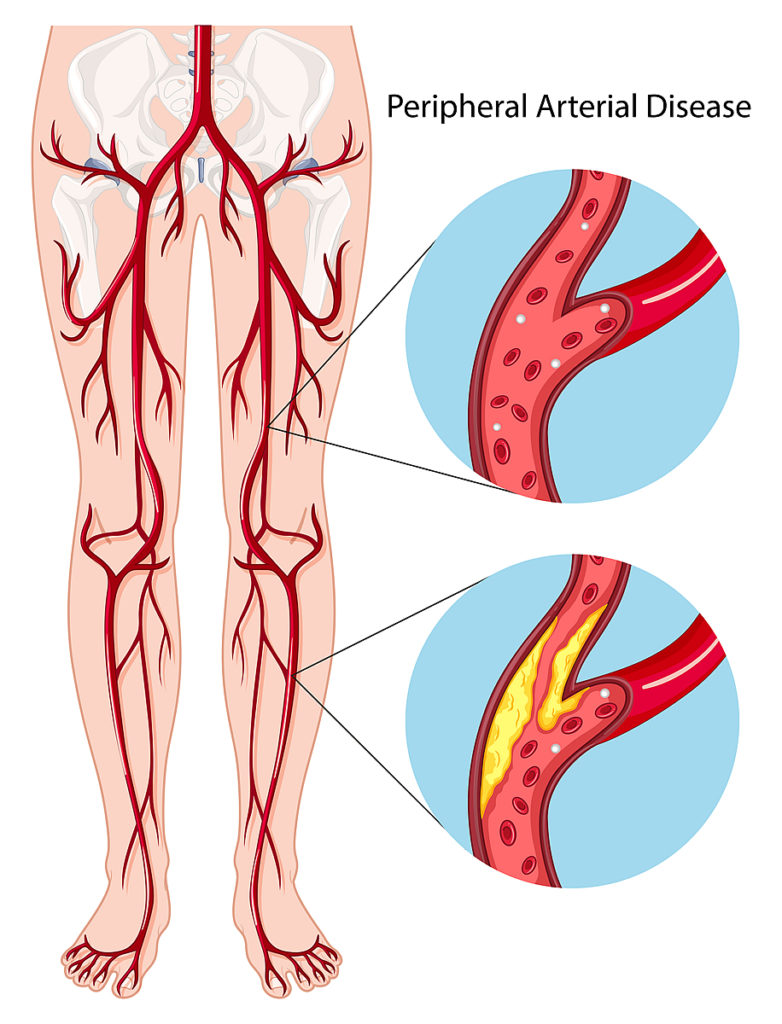
Peripheral arterial disease (PAD) is a condition characterized by the narrowing or blockage of blood vessels that transport oxygen-rich blood from the heart to the lower extremities. According to the U.S. Centers for Disease Control and Prevention (CDC), this condition is primarily caused by atherosclerosis, the buildup of fatty plaque within the arterial walls. While many individuals associate leg pain with injury or fatigue, persistent discomfort during physical activity that improves with rest is a classic clinical indicator of PAD that warrants professional medical evaluation.
Understanding the Symptoms of Peripheral Arterial Disease
The hallmark symptom of PAD is claudication, which manifests as pain, aching, or cramping in the legs—typically occurring in the buttock, hip, thigh, or calf—triggered by movement such as walking. Crucially, this discomfort generally subsides after a period of rest. However, the absence of pain does not rule out the condition. The CDC notes that up to 4 in 10 individuals with PAD experience no leg pain at all, underscoring the importance of recognizing other physical manifestations of the disease.
Beyond claudication, patients may observe visible or tactile changes in their lower limbs. Clinical signs that may indicate the presence of PAD include:
- Muscle atrophy or noticeable weakness in the legs.
- Hair loss on the legs or feet.
- Skin that appears smooth or shiny.
- Skin temperature that feels cool to the touch, particularly when associated with pain during walking.
- Decreased or absent pulses in the feet.
- Development of sores or ulcers on the feet or legs that fail to heal.
- Cold or numb toes.
Risk Factors and Prevalence
Peripheral arterial disease is a significant public health concern, affecting approximately 6.5 million people aged 40 and older in the United States alone. The condition is driven by factors that compromise vascular health, and understanding these risks is essential for early detection. The CDC identifies several primary risk factors, including a history of smoking, high blood pressure, diabetes, high cholesterol, and age, with the risk significantly increasing for individuals over 60 years old.

Demographic data also indicates disparities in prevalence. African American individuals face an increased risk of developing PAD compared to other groups. Meanwhile, Hispanic populations may experience rates of the disease that are similar to, or slightly higher than, those observed in non-Hispanic white populations. Because various other health conditions and vascular disorders can mimic the symptoms of PAD, clinicians must conduct a thorough assessment to ensure an accurate diagnosis.
The Anatomy of Mobility
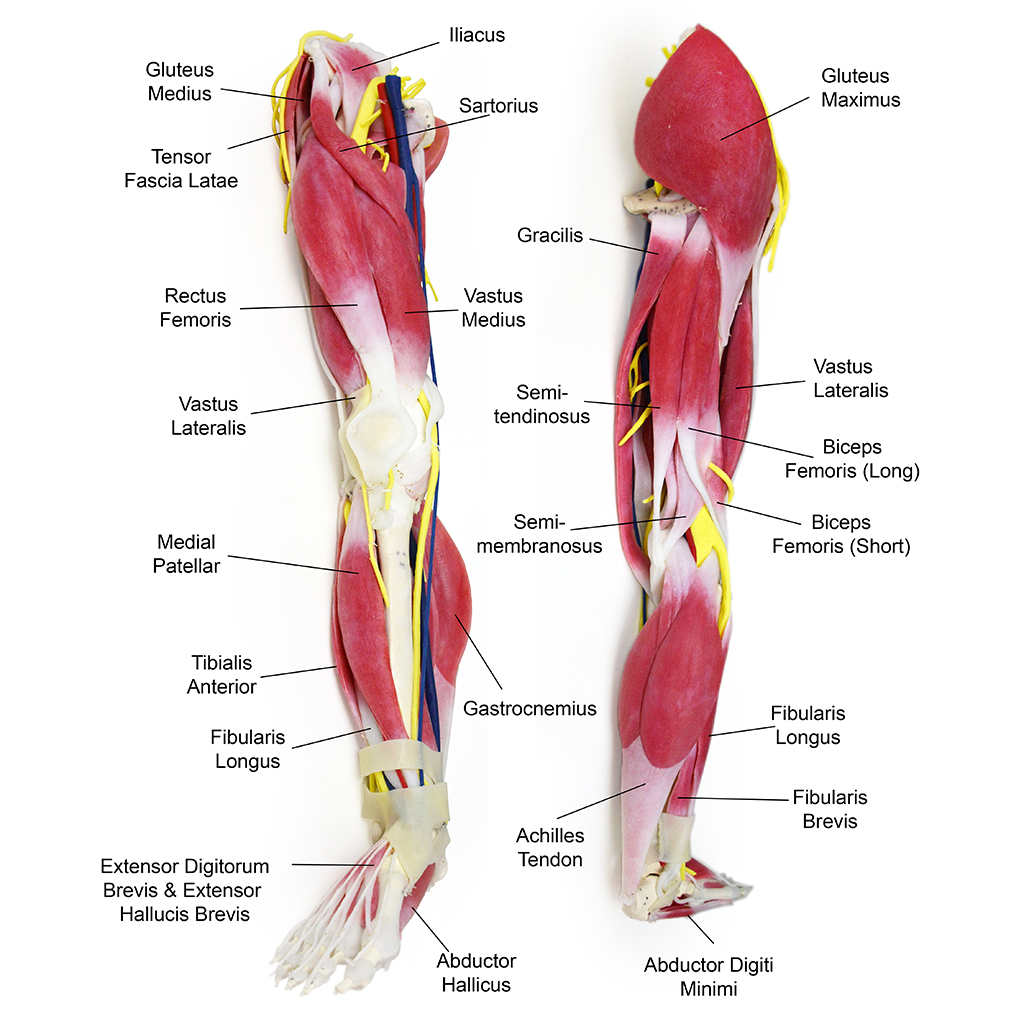
To understand why PAD impacts quality of life, one must look at the function of the lower limbs. The human leg is a complex structure adapted for bipedal locomotion, relying on a coordinated system of bones, muscles, tendons, ligaments, joints, and nerves to maintain balance and support body weight. The femur, or thigh bone, serves as the structural anchor between the hip and the knee, while the tibia and fibula form the lower leg, often referred to in anatomical terms as the crus or shank.
When the arteries supplying these tissues are narrowed by atherosclerosis, the muscles of the calf and thigh are deprived of the necessary blood flow to sustain prolonged activity. This mismatch between oxygen demand during exercise and the restricted supply provided by the compromised arteries is what leads to the characteristic fatigue and pain described by patients. Maintaining vascular health is therefore not just a matter of heart health, but a fundamental requirement for preserving the mobility and independence provided by the structure of the lower limbs.
Next Steps for Patient Care
If you experience recurring leg pain during physical activity, or if you notice any of the physical signs such as non-healing ulcers or persistent coldness in the toes, it is vital to consult a healthcare provider for a formal assessment. Diagnostic processes typically involve a review of symptoms, a physical examination, and potentially specialized vascular testing to determine the extent of arterial narrowing.
As of June 2026, medical guidelines continue to emphasize the importance of managing underlying cardiovascular risk factors, including smoking cessation and the control of blood pressure and glucose levels, as the first line of defense against the progression of PAD. For the most recent updates on diagnostic screenings and treatment pathways, patients are encouraged to consult official resources from national health authorities or their primary care physicians. We welcome your questions and encourage you to share this information with others who may benefit from better understanding these critical warning signs.