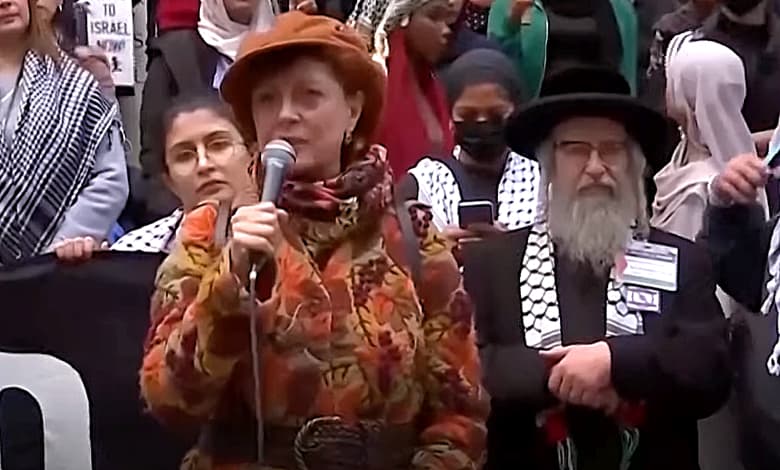
The Double Standard of Cancellation: Why Susan Sarandon’s Controversy Reveals a Troubling Trend in Hollywood
The recent backlash against actress Susan Sarandon for her comments regarding the October 7th attacks and the subsequent conflict in Gaza has ignited a debate not just about the content of her statements, but about the selective outrage that often defines Hollywood’s “cancel culture.” While Sarandon’s views have been widely condemned as insensitive and harmful, the swiftness with which some in the industry distanced themselves from her—and the media coverage amplifying that response—stands in stark contrast to the relative silence surrounding the professional repercussions faced by actors and creatives with differing political viewpoints, particularly those leaning conservative. This disparity raises a critical question: is the application of accountability in Hollywood truly equitable, or is it influenced by prevailing ideological currents?
Sarandon, a longtime and vocal advocate for Palestinian rights, faced immediate repercussions after suggesting that the scale of reported rapes during the Hamas attacks was potentially exaggerated. These comments, widely circulated and criticized, led to her being dropped by her agency, United Talent Agency (UTA), and reportedly impacted other professional opportunities. While the right to express opinions, even controversial ones, is a cornerstone of free speech, the consequences for Sarandon highlight a complex dynamic within the entertainment industry where political expression can carry significant professional risk. However, the speed and intensity of the response to Sarandon’s statements, compared to the often-muted reaction to similar controversies involving figures on the other side of the political spectrum, has fueled accusations of a double standard.
The core of the issue isn’t necessarily about agreeing with Sarandon’s views, but about the consistency of applying consequences for controversial speech. For years, a perception has lingered within conservative circles that Hollywood operates with a clear bias, punishing those who deviate from its generally progressive norms. This perception isn’t modern; it’s been building for some time, fueled by instances of actors and filmmakers facing professional setbacks after expressing conservative viewpoints. The question now is whether Sarandon’s situation will prompt a broader examination of these dynamics, or simply reinforce the existing narrative of selective accountability.
A History of Perceived Bias: The “Hollywood Blacklist” Revisited
The current debate echoes concerns about a “new Hollywood Blacklist,” a term used to describe the alleged marginalization of conservative voices within the entertainment industry. While the historical Hollywood blacklist of the McCarthy era targeted individuals suspected of communist affiliations, the contemporary concerns center on political ideology. The idea that actors and creatives are hesitant to openly express conservative views for fear of professional repercussions is not a new one. Numerous reports and anecdotal evidence suggest that right-leaning individuals in the industry often feel compelled to remain silent about their beliefs, fearing ostracism or career damage.
One prominent example often cited is that of Gina Carano. In 2021, Carano was fired from her role as Cara Dune in the Disney+ series *The Mandalorian* following a social media post comparing the experience of being a conservative in the United States to the persecution of Jews during the Holocaust. Disney’s decision sparked a fierce debate about free speech and political expression, with some arguing that Carano was unfairly targeted for her views. Carano subsequently filed a lawsuit against Disney, alleging wrongful termination, with the backing of Elon Musk. In August 2025, Disney and Carano reached a settlement in the case, as reported by ABS-CBN News and News24. The case underscored the potential legal ramifications of terminating an employee based on their political beliefs, even in the context of social media activity.
Beyond Carano, other figures have faced similar challenges. Actors like Kevin Sorbo and James Woods have spoken openly about experiencing difficulties finding perform in Hollywood after expressing conservative viewpoints. While proving a direct causal link between their political beliefs and their career trajectories is challenging, the perception of a bias persists. The lack of widespread media coverage surrounding their experiences, compared to the attention given to controversies involving figures like Sarandon, further fuels the narrative of a double standard.
The Sarandon Case: Amplified Outrage and Media Coverage
Susan Sarandon’s situation unfolded rapidly. Following the October 7th attacks, she voiced strong support for Palestine and questioned the narratives surrounding the conflict. Her comments, including those downplaying reports of sexual violence committed by Hamas, drew widespread condemnation. Several entertainment news outlets, including The AV Club, The Hollywood Reporter, Variety, Entertainment Weekly, and Deadline, reported on the fallout, highlighting her loss of representation and potential career implications. Variety, in its coverage, even minimized her original comments, framing them within the context of perceived censorship.
The speed and volume of coverage surrounding Sarandon’s controversy stand in contrast to the often-limited attention given to the professional challenges faced by conservative actors. While it’s important to hold individuals accountable for harmful or insensitive statements, the disparity in media attention raises questions about the motivations driving the coverage. Is the outrage genuine, or is it fueled by a pre-existing bias against Sarandon’s political views? The selective focus on certain controversies while ignoring others contributes to a perception of inconsistency and unfairness.
The Broader Implications for Free Speech in Hollywood
The debate surrounding Susan Sarandon’s case, and the broader concerns about a “Hollywood Blacklist,” highlight a fundamental tension between free speech and the potential for professional repercussions. While private companies have the right to associate with whomever they choose, the entertainment industry’s influence on public discourse raises questions about the impact of ideological conformity. If actors and creatives fear expressing dissenting opinions, it could stifle creativity and limit the diversity of perspectives represented on screen.
The issue extends beyond Hollywood. The rise of “cancel culture” and the increasing polarization of political discourse have created a climate where individuals are often hesitant to express unpopular opinions, fearing social ostracism or professional consequences. This chilling effect on free speech is a concern for anyone who values open debate and the exchange of ideas. The entertainment industry, as a powerful cultural force, has a responsibility to foster a more inclusive and tolerant environment where diverse viewpoints can be expressed without fear of retribution.
The case of Susan Sarandon serves as a potent reminder that the application of accountability must be consistent and equitable. While her views are undoubtedly controversial and have caused significant harm, the selective outrage surrounding her situation underscores a troubling trend in Hollywood. Until the industry addresses this perceived bias and creates a more inclusive environment for diverse political viewpoints, the narrative of a “Hollywood Blacklist” will likely persist.
As the legal landscape surrounding free speech continues to evolve, and as the entertainment industry grapples with its own internal dynamics, it remains to be seen whether a more equitable and tolerant environment can be achieved. The next step in Sarandon’s story will likely involve further scrutiny of her public statements and potential impact on future career opportunities. The conversation surrounding this case is far from over, and it’s a conversation that deserves continued attention and thoughtful consideration.
What are your thoughts on the implications of this case? Share your opinions in the comments below and join the discussion.
Worth a look