The escalating conflict in the Middle East continues to reverberate across global markets and prompts urgent action from European nations, particularly Italy. As geopolitical tensions rise, concerns over energy security, economic stability, and the safety of citizens abroad are mounting. Italy is actively working to evacuate its nationals from the Gulf region although simultaneously grappling with economic fallout, including a significant downturn in the Milan stock market and accelerating inflation. These developments underscore the interconnectedness of the global economy and the swiftness with which regional instability can impact international affairs.
The immediate priority for many European governments is the safety and repatriation of their citizens. Italy, along with Austria and Slovakia, has requested assistance from the European Union to facilitate the evacuation of nationals stranded in Gulf states. This coordinated effort highlights the EU’s commitment to providing support during times of crisis and demonstrates a unified response to the unfolding situation. The situation is particularly sensitive given the potential for further escalation and the strategic importance of the region.
EU Assists in Evacuating Italian Citizens
The European Union has activated its civil protection mechanism to aid Italy in repatriating its citizens from the Middle East. Commissioner Hadja Lahbib confirmed that Italy, Austria, and Slovakia were the first member states to request financial assistance from Brussels for evacuation flights. As reported by VisaHQ, the EU’s mechanism allows member states to be reimbursed for the majority of the costs associated with these emergency operations.
On Tuesday, Italy continued its evacuation efforts, successfully bringing approximately 300 citizens back to Rome from Muscat, Oman. A separate group of around 200 students, primarily from Abu Dhabi, were flown to Milan. These operations demonstrate Italy’s proactive approach to safeguarding its citizens amidst the growing instability in the region. The Italian Foreign Ministry is coordinating closely with local authorities and airlines to ensure the safe and efficient return of all nationals.
Milan Stock Market Plummets Amidst Regional Turmoil
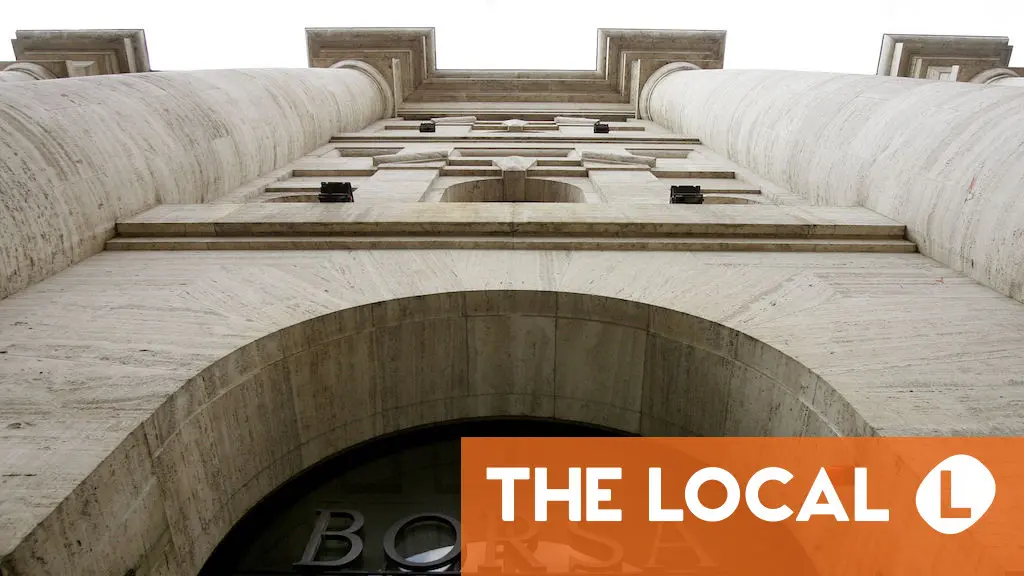
The economic impact of the Middle East conflict is already being felt in Europe, with the Milan stock exchange experiencing a significant downturn. By market close on Tuesday, Milan’s stock market had suffered losses of 3.9 percent, making it one of the worst-performing European markets. According to Italian newspaper La Repubblica, Madrid’s stock market experienced an even steeper decline, closing with a 4.55 percent drop.
The volatility in the financial markets reflects growing concerns about the potential disruption to global energy supplies and the broader economic consequences of the conflict. The Strait of Hormuz, a critical waterway for oil transportation, is particularly vulnerable, raising fears of a significant spike in energy prices. This concern was echoed by Philip Lane, the European Central Bank’s chief economist, who warned in an interview with the Financial Times that the war could trigger a “spike” in eurozone inflation due to disruptions in energy flows. The Local reported on this warning.
Energy Bill Increases Anticipated
Italian residents are bracing for potential increases in energy bills. Davide Tabarelli, president of the energy-focused research consultancy Nomisma Energia, estimates that energy bills could rise by as much as 15 percent starting in April. This projected increase is directly linked to the uncertainty surrounding energy supplies and the potential for higher oil prices. The rising cost of energy is likely to exacerbate inflationary pressures and impact household budgets across Italy.
Inflation Accelerates in Italy
Adding to the economic concerns, inflation in Italy accelerated in February, reaching 1.6 percent year-on-year, compared to 1 percent in January. Preliminary estimates published by the national statistics institute Istat indicate that this acceleration is primarily driven by price increases in services, including transport and leisure, as well as unprocessed food products.
While energy prices experienced a continued decline before the recent escalation of conflict in Iran (falling from -6.2% in January to -6.6% in February), this decrease was not sufficient to offset the rise in service costs. Italian inflation remains below the European average, which stood at 1.9 percent in February, just below the European Central Bank’s target, according to preliminary estimates from Eurostat. Though, the potential for further disruptions to energy supplies could quickly reverse this trend.
The situation in the Middle East is evolving rapidly, and its impact on Italy and the wider European economy is likely to be significant. The EU’s response, including the assistance provided to Italy for citizen evacuation, demonstrates a commitment to regional stability and the protection of its member states. However, the long-term economic consequences of the conflict remain uncertain, and continued monitoring of the situation is crucial.
Italy’s position within the European Union, and its active push for a stronger stance on Iran, as highlighted by the movement of the USS Lincoln into the Middle East, as reported by Decode39, underscores the complex geopolitical dynamics at play. The coming days and weeks will be critical in determining the trajectory of the conflict and its ultimate impact on the global stage.
Looking ahead, the European Central Bank is scheduled to meet next week to assess the economic impact of the Middle East conflict and consider potential policy adjustments. This meeting will be closely watched by financial markets and policymakers alike. Further updates on evacuation efforts and the evolving geopolitical situation will be provided as they become available.
What are your thoughts on the EU’s response to the crisis? Share your comments below and join the conversation. Don’t forget to share this article with your network to keep others informed.
Keep reading