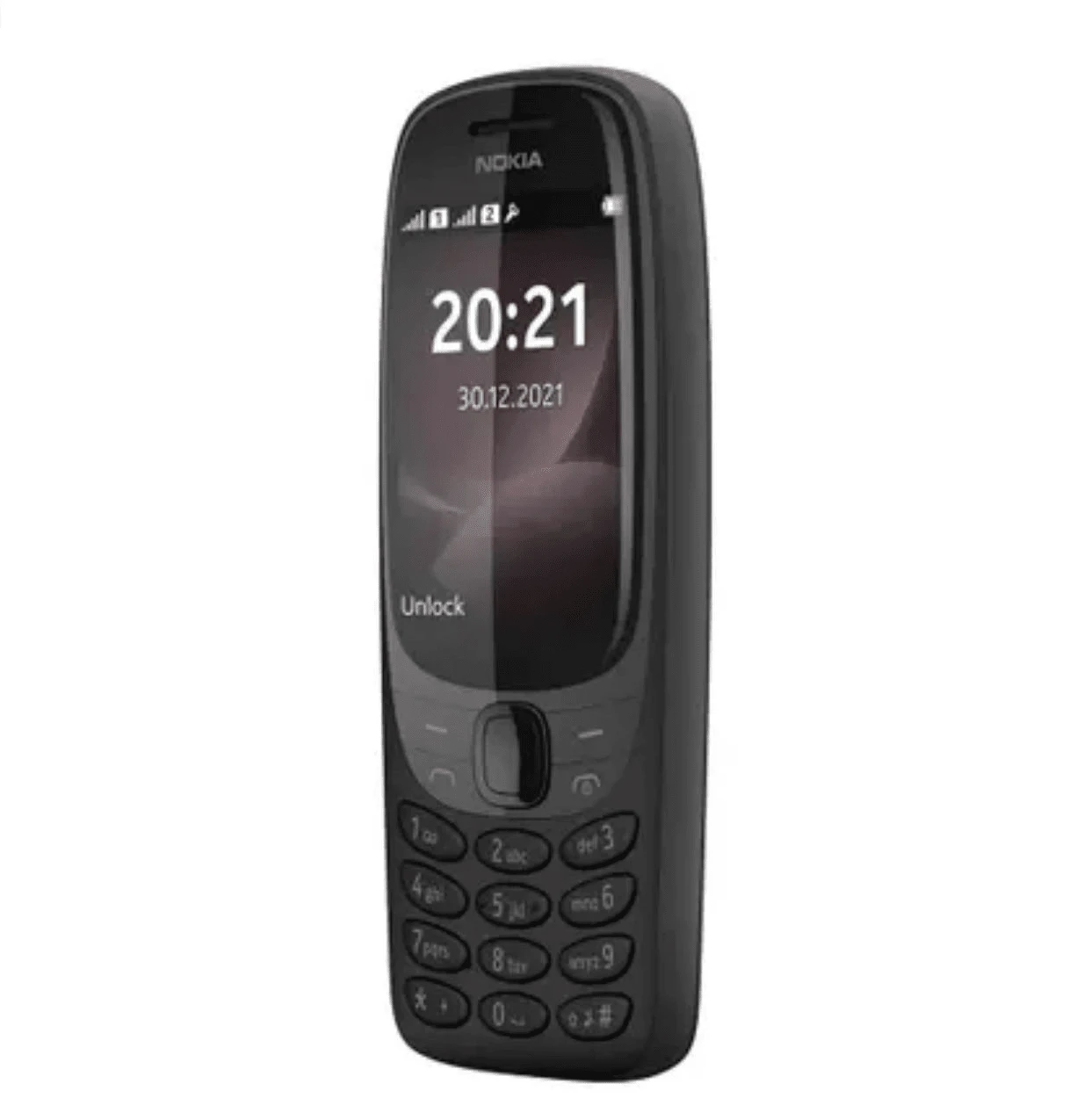
In an era defined by generative AI and increasingly complex smartphones, a surprising trend is emerging: the return to extreme simplicity. For many users, particularly senior citizens and those seeking a “digital detox,” the allure of the classic feature phone is stronger than ever. The Nokia 105 stands as a primary example of this philosophy, offering a stripped-back experience that prioritizes reliability over endless notifications.
The Nokia 105 has positioned itself as an ideal choice for retirees and those who require a dependable device for basic communication. By focusing on the core functions of calling and texting, the device removes the steep learning curve associated with modern operating systems. This commitment to simplicity is reflected in its accessibility, with some versions of the device retailing for as low as 700 Kč according to reports on the affordability of the model.
While the brand name is legendary, the modern iteration of these devices is managed by HMD Global, a Finnish company that now oversees the production of Nokia-branded hardware under the umbrella of the Taiwanese firm Foxconn via Cena-Vykon.cz. This partnership allows the brand to maintain its reputation for durability while updating the hardware to meet current network standards.
For those who need more than just the basics, the availability of 4G versions of these classic handsets ensures that users can maintain connectivity even as older 2G and 3G networks are phased out globally. This balance of nostalgia and modern connectivity is what continues to drive the demand for “dumbphones” in a hyper-connected world.
The Appeal of Simplicity: Why Feature Phones are Returning
The resurgence of the Nokia 105 and similar models is not merely about nostalgia. It is a response to the cognitive load imposed by modern smartphones. For the elderly, the transition to touchscreens can be daunting, often leading to accidental inputs or frustration with complex menu hierarchies. A physical keypad provides tactile feedback that is essential for accessibility and ease of use.
Beyond the senior demographic, there is a growing movement among younger generations to reduce screen time. The “dumbphone” trend focuses on reclaiming focus and mental well-being by eliminating the distractions of social media and constant app alerts. By utilizing a device that only handles calls and SMS, users can disconnect from the digital noise while remaining reachable for emergencies.
The durability of these devices also plays a significant role. Unlike the fragile glass screens of contemporary smartphones, the Nokia 105 is built to withstand the riges of daily use, making it a practical tool for those in demanding environments or for users who frequently drop their devices.
Comparing Modern Nokia Options and Specifications
While the Nokia 105 is the entry-level choice for simplicity, the current market offers several variations depending on the user’s needs for connectivity and form factor. The transition to 4G is particularly important for longevity, as it ensures the phone will remain compatible with modern SIM cards and network towers.
According to market data from April 2026, there is a diverse range of Nokia devices available, catering to different price points and functional requirements as listed by Cena-Vykon.cz:
| Model | Key Feature | Starting Price (Approx.) |
|---|---|---|
| Nokia 105 4G (2023) | Basic 4G Connectivity | 1,200 Kč |
| Nokia 225 4G (2024) | Updated 4G Hardware | 1,300 Kč |
| Nokia 2660 Flip | Clamshell Design | 1,500 Kč |
| Nokia 6300 4G | Dual SIM / Advanced Feature Phone | 1,500 Kč |
| Nokia 2720 Flip | Classic Flip Style | 1,900 Kč |
For those who cannot completely abandon the smartphone ecosystem, HMD Global also produces Android-based devices. The Nokia X30 5G, for instance, offers a more robust technical profile with 8GB of RAM and 256GB of storage, starting around 5,700 Kč per Cena-Vykon.cz data. This demonstrates the brand’s dual strategy: maintaining a foothold in the high-end Android market while dominating the budget-friendly feature phone segment.
The Legacy of the “Slide” and “Flip” Designs
The enduring popularity of Nokia is tied to its history of innovative form factors. The “slide” and “flip” mechanisms were once the pinnacle of mobile fashion and utility. Even today, these designs find a market among collectors and users who prefer the physical act of closing a phone to end a call.
In the secondary and refurbished markets, older models continue to be traded for their unique aesthetics and reliability. Examples of these legacy devices include the Nokia 2220 slide and the Nokia 6700 slide. These phones often featured varied colors, such as “Hot Pink” or “Petrol Blue,” and provided a level of tactile satisfaction that modern slabs of glass cannot replicate via centar.cz.
The transition from these legacy devices to the modern Nokia 2660 Flip or 2720 Flip shows how the brand has successfully modernized the “clamshell” experience. By integrating 4G capabilities into a flip design, they provide the nostalgic feel of the early 2000s with the network stability required for 2026.
Key Takeaways for Potential Buyers
- For Seniors: The Nokia 105 is the most straightforward option, emphasizing ease of use and affordability.
- For Connectivity: Opt for the 4G versions (such as the Nokia 105 4G or 225 4G) to ensure the device works with modern carrier networks.
- For Style/Utility: The Flip models (2660 or 2720) offer a protective screen and a classic user experience.
- For Power Users: If a smartphone is necessary, the X-series (like the X30 5G) provides a clean Android experience.
Understanding the Impact of “Dumbphones” on Mental Health
The shift toward devices like the Nokia 105 is often discussed in the context of “digital minimalism.” This movement suggests that by limiting the tools we use to consume information, we can increase our capacity for deep work and meaningful face-to-face interaction. When a phone is reduced to a tool for communication rather than a portal to the entire internet, the psychological pressure to be “always on” diminishes.
This represents particularly impactful for the elderly, who may feel overwhelmed by the rapid pace of software updates and the complexity of app-based services. A device that does not require a password for every single action, or an update every few weeks, provides a sense of stability and control.
the battery life of these devices is a significant advantage. While a modern smartphone may struggle to last 24 hours under heavy use, a feature phone like the Nokia 105 can often last for days or even weeks on a single charge, reducing the anxiety associated with finding a power outlet.
As the industry continues to push toward more integrated AI and immersive technologies, the demand for a “safe harbor” of simplicity is likely to grow. The success of the Nokia 105 proves that there is a permanent market for technology that knows when to get out of the way.
For those interested in the latest hardware updates or official support, the official portal for Nokia phones is managed through www.hmd.com.
The next phase for HMD Global involves the continued rollout of updated 4G and 5G-capable feature phones to ensure that basic communication remains accessible as legacy networks are decommissioned. We encourage readers to share their experiences with “digital detoxing” or their favorite classic Nokia models in the comments below.
Related reading