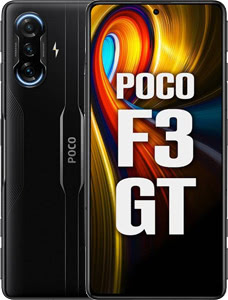
The Xiaomi Poco F3 GT and the Redmi Note 13 represent two distinct phases in Xiaomi’s mobile hardware strategy, targeting different user priorities within the competitive mid-range smartphone market. While the Poco F3 GT was positioned as a performance-oriented device featuring specialized gaming triggers and a focus on raw processing power, the Redmi Note 13 serves as a contemporary successor that emphasizes display technology, camera efficiency, and a streamlined design language for everyday use.
Choosing between these two models requires an understanding of how hardware priorities have shifted since the Poco F3 GT’s release. The Poco F3 GT, released in July 2021, was built around the MediaTek Dimensity 1200 chipset, specifically catering to mobile gamers who required physical tactile feedback and high-performance cooling systems. In contrast, the Redmi Note 13 series, which launched in international markets in early 2024, prioritizes the modern user experience, offering a more refined AMOLED display, thinner bezels, and long-term software support cycles that the older Poco model no longer receives, according to official specifications provided by Xiaomi.
Display and Build Evolution
The visual experience on these two devices highlights the rapid advancement of display technology in the sub-flagship segment. The Poco F3 GT features a 6.67-inch OLED panel with a 120Hz refresh rate, protected by Corning Gorilla Glass 5. It offers a pixel density of approximately 395 pixels per inch (ppi), which remains sharp by modern standards. However, the display architecture in the newer Redmi Note 13 has seen significant refinements. The Redmi Note 13 utilizes a high-brightness AMOLED panel that generally offers improved color accuracy and energy efficiency compared to the panel found in the F3 GT, as noted by technical analysis from GSMArena.
Build quality also reflects the different design philosophies of these handsets. The Poco F3 GT utilized an aerospace-grade aluminum alloy frame and glass back, specifically designed to feel like a gaming console in the hand. The Redmi Note 13 adopts a more minimalist, slim-profile aesthetic that appeals to a broader audience, focusing on ergonomics and reduced weight. While the Poco F3 GT includes physical pop-up triggers that provide a distinct advantage in competitive gaming, the Redmi Note 13 removes these mechanical elements to achieve a sleeker, more professional form factor.
Performance and Software Longevity
Performance remains the most significant point of divergence for potential buyers. The Poco F3 GT, powered by the MediaTek Dimensity 1200, was optimized for sustained performance under thermal load. This was achieved through a large vapor chamber and a “maglev” cooling system, which allowed the processor to maintain higher clock speeds during extended gaming sessions. As verified by MediaTek’s product documentation, the Dimensity 1200 was a flagship-tier chip at its launch, designed for high-frame-rate gaming.

Conversely, the Redmi Note 13 is designed for the efficiency and stability of modern Android applications. Depending on the specific regional variant, the Redmi Note 13 utilizes chips like the Snapdragon 685 or Dimensity 6080, which are focused on battery longevity and smooth multitasking rather than peak gaming performance. Crucially, the Redmi Note 13 benefits from being a newer device, meaning it qualifies for more years of Android version updates and security patches. For users who prioritize software security and compatibility with the latest apps, the Redmi Note 13 is the more viable long-term investment, as the Poco F3 GT has reached the end of its primary software support lifecycle, according to Xiaomi’s official security update policy.
Camera Systems and Imaging
Imaging capabilities have undergone a notable shift. The Poco F3 GT features a triple-camera setup, with a 64-megapixel primary sensor that performs reliably in daylight but shows its age in low-light environments and high-dynamic-range (HDR) scenarios. The processing algorithms for the F3 GT were tuned primarily for speed, ensuring the camera app opened quickly to capture fleeting moments during gameplay or active usage.
The Redmi Note 13 features a significantly higher resolution primary sensor—often 108 megapixels—coupled with more advanced image signal processing (ISP) capabilities inherent in newer chipsets. This results in better noise reduction and more natural color reproduction in challenging lighting. While the Poco F3 GT is sufficient for casual photography, the Redmi Note 13 provides a more versatile suite of features, including improved night modes and better software-based portrait processing, which have become standard in the current smartphone generation.
Technical Overview
The following table summarizes the key hardware differences between these two generations of devices:

| Feature | Poco F3 GT | Redmi Note 13 |
|---|---|---|
| Processor | MediaTek Dimensity 1200 | Snapdragon 685 / Dimensity 6080 |
| Display | 6.67″ OLED, 120Hz | 6.67″ AMOLED, 120Hz |
| Build | Gaming-focused, Pop-up triggers | Slim, modern glass/plastic |
| Primary Camera | 64 MP | 108 MP |
| Software Support | Discontinued/Limited | Active/Ongoing |
For users currently deciding between these models, the choice rests on the intended use case. The Poco F3 GT remains a capable device for users who specifically require physical gaming triggers and are comfortable managing an older software environment. However, for the vast majority of consumers, the Redmi Note 13 offers a superior experience due to its modern display, improved camera optics, and guaranteed ongoing software support.
Updates regarding Xiaomi’s product roadmap and future device releases can be monitored through the official Xiaomi Support portal. Readers are encouraged to share their experiences with these devices in the comments section below or join the discussion on our social media channels.
Worth a look