The Growing Call for UK Reparations: A Path Towards Racial Justice and Economic Benefit
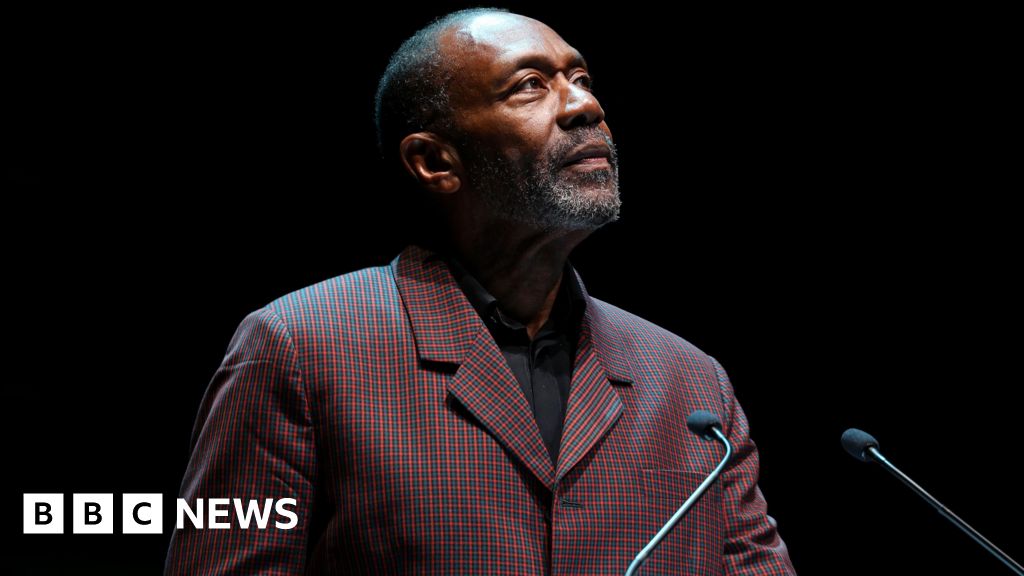
the debate surrounding reparations for the transatlantic slave trade is gaining momentum in the united Kingdom, fueled by prominent voices like Sir Lenny Henry and Marcus Ryder. Their recent work isn’t simply about acknowledging past wrongs; it’s a compelling argument for how addressing historical injustices can reshape Britain’s future relationships and bolster its economy.
From Historical debt to Modern Solutions
for generations, the legacy of slavery has manifested in systemic inequalities within British society. You can see this reflected in disproportionately high unemployment rates among Black Britons and their overrepresentation within the criminal justice system. These disparities, argue Henry and Ryder, are direct consequences of the centuries-long exploitation of african people and their descendants.
The conversation isn’t about assigning blame, but about acknowledging a debt and exploring pathways to repair. It’s a shift from viewing reparations as merely financial compensation to understanding them as a symbolic and practical step towards dismantling systemic racism.
Why Reparations Now? The Potential Benefits
Ryder recently highlighted the potential for reparations to fundamentally alter the UK’s dynamic with nations substantially impacted by the slave trade. These include countries in Africa, India, and the Caribbean. Better relationships, he contends, translate directly into increased trade and a stronger British economy.
Hear’s a breakdown of the potential benefits:
* Improved International Relations: Reparations can foster trust and collaboration with nations historically exploited by Britain.
* Economic Growth: Stronger trade ties with emerging world powers can unlock new economic opportunities.
* Social Justice: Addressing systemic inequalities can create a more equitable society for all Britons.
* Racial Healing: Acknowledging and addressing the past can contribute to a more inclusive and harmonious future.
A Long-Term Commitment
Sir Lenny Henry emphasizes that achieving true racial justice is a marathon, not a sprint. He points to the decades it took to abolish slavery itself, and the subsequent compensation paid to slave owners for the loss of their “property.”
He believes initiating a serious conversation about reparations is the crucial first step. While a complete resolution may take another century or more, starting the dialog is essential.
Understanding the Historical Context
Britain’s involvement in the slave trade stretches back centuries, predating even Roman times. Though,its large-scale participation in the transatlantic trade – the forced transportation of millions of Africans to the Americas – began in the 16th century.
the abolition of slavery wasn’t immediate. It occurred in stages, culminating in the Slavery Abolition Act of 1833, which granted full emancipation throughout most of the British Empire.
Sir Lenny Henry: A Voice for Change
Lenny Henry’s advocacy for reparations stems from his personal experience. Born in Birmingham to Jamaican parents who immigrated to the UK, he has witnessed firsthand the challenges faced by the Black British community.
His contributions extend beyond comedy and acting. He co-founded Comic Relief in 1985, was knighted in 2015 for his services to drama and charity, and co-curated a Guardian special on Black British culture in 2021.
Furthermore, he brought his mother’s experiences as part of the Windrush generation to life through his acclaimed ITV drama series, Three Little birds, co-written with Russell T Davies. This demonstrates his commitment to amplifying marginalized voices and shedding light on crucial historical narratives.
The Path Forward
The call for UK reparations isn’t simply a demand for financial restitution. It’s a call for a fundamental reassessment of Britain’s past and a commitment to building a more just and equitable future. It’s a conversation that demands to be had, and one that could ultimately benefit not only those historically wronged, but the nation as a whole.