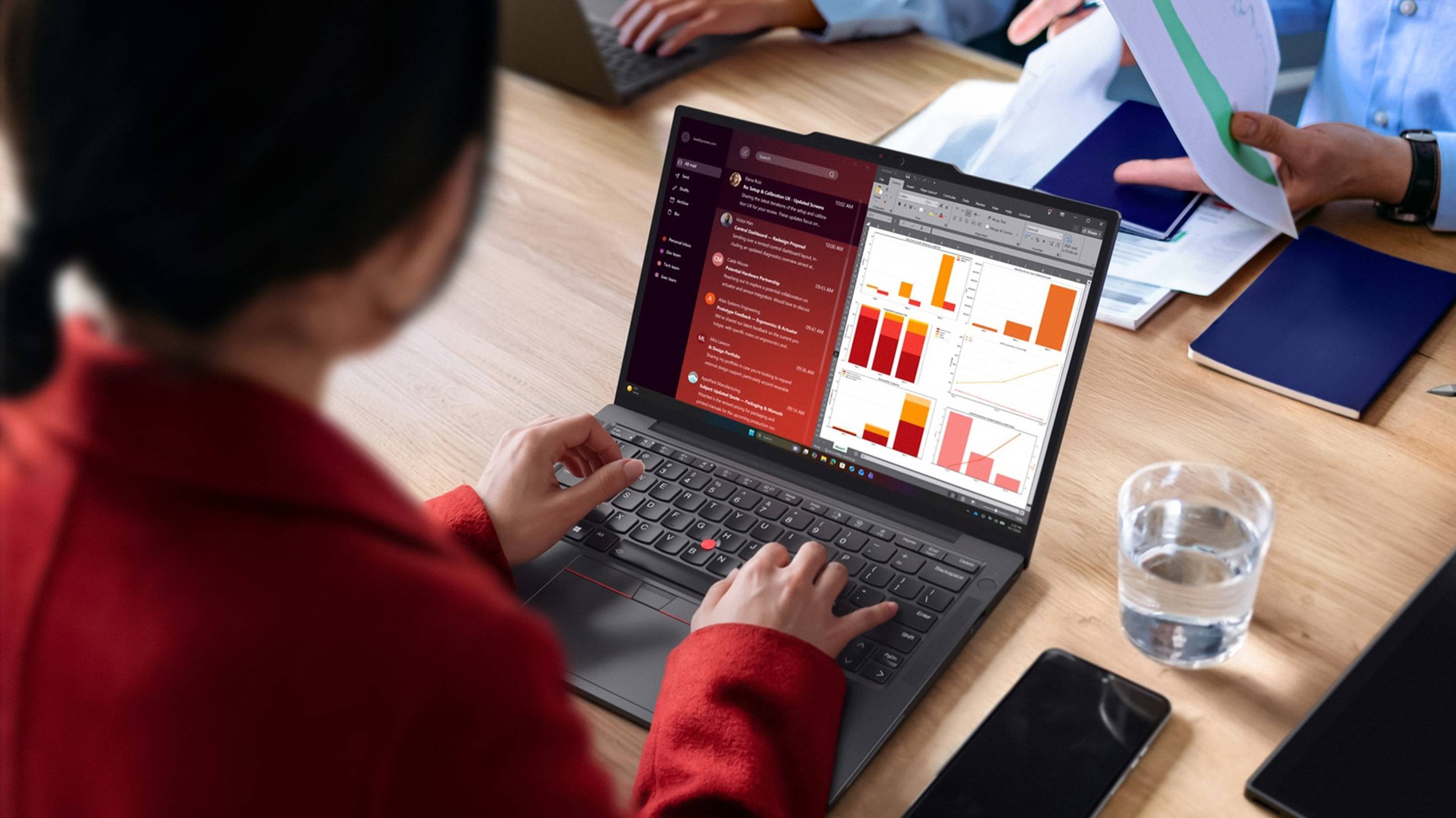
Lenovo has expanded its enterprise-grade AI PC portfolio with the introduction of the ThinkPad X13 Gen 7 and the updated ThinkPad L series, both designed to leverage integrated processors for Copilot+ PC AI workflows. These devices are engineered to meet the growing demand for on-device artificial intelligence capabilities in professional environments, focusing on productivity, security, and power efficiency.
As the technology sector shifts toward localized AI processing, the integration of Neural Processing Units (NPUs) has become a primary differentiator for hardware manufacturers. By utilizing processors optimized for Copilot+ PC standards, Lenovo aims to facilitate faster execution of AI-driven tasks, such as real-time language translation, advanced video conferencing effects, and automated productivity workflows, directly on the hardware without relying solely on cloud-based computing.
ThinkPad X13 Gen 7 and L Series Performance Capabilities
The ThinkPad X13 Gen 7 serves as the flagship of this latest refresh, catering to mobile professionals who require a balance between portability and high-performance computing. According to official product specifications, the device incorporates advanced thermal management and architecture that supports the demanding requirements of generative AI applications. The machine is built to handle intensive multitasking, ensuring that background AI processes do not hinder primary application performance.
The ThinkPad L series, including the L13, L14, and L15 models, provides a more accessible entry point for organizations looking to scale AI-ready hardware across their workforce. These models maintain the classic ThinkPad durability standards while adopting the same NPU-enabled processor technology found in the X13 series. By standardizing the AI workflow capabilities across the L series, Lenovo intends to provide IT administrators with a consistent platform for deploying enterprise-wide AI tools.
The Role of Copilot+ PC Standards
The “Copilot+ PC” designation signifies that the hardware meets specific Microsoft-defined requirements for AI performance, including a minimum of 40 trillion operations per second (TOPS) from the NPU and integrated high-speed memory. This hardware foundation allows users to access exclusive Windows AI features, such as Recall and live captioning, with minimal latency.
The move toward these standards is part of a broader industry trend where hardware manufacturers, including Lenovo, align their release cycles with software advancements in large language models (LLMs). By moving these processes to the local silicon, Lenovo addresses common enterprise concerns regarding data privacy and bandwidth, as sensitive information can be processed locally rather than being transmitted to a remote server.
Broader Industry Trends and Gaming Integration
Beyond the professional ThinkPad lineup, the broader technology market continues to emphasize the convergence of high-performance hardware and specialized software. While the ThinkPad series focuses on enterprise productivity, other segments of the hardware market are seeing similar shifts. For instance, the gaming peripheral market has increasingly aligned its product releases with high-profile software launches to enhance the overall user experience.
Logitech G, for example, has recently engaged in strategic partnerships to align its gaming hardware with major titles, such as the Call of Duty series. These collaborations often involve tuning hardware—such as mouse sensitivity, polling rates, and audio profiles—to match the specific technical requirements of the game engine. This mirrors the strategy seen in the professional PC space, where specialized hardware is increasingly tailored to optimize specific software workloads, whether for enterprise AI or competitive gaming.
What Happens Next for Enterprise AI
The adoption of these AI-ready PCs is expected to be a phased process for most global organizations. As software vendors continue to release updates that utilize NPU acceleration, the utility of these devices will likely increase throughout the current fiscal year. IT procurement teams are currently evaluating the total cost of ownership for these machines, weighing the benefits of local AI processing against standard laptop refresh cycles.

Lenovo has indicated that these models will be available through authorized commercial channels in the coming months. Organizations are encouraged to consult their regional Lenovo representatives or official technical documentation to determine the specific configurations that meet their internal security and performance mandates. As more enterprise applications transition to AI-integrated architectures, the industry will monitor how these hardware-level optimizations impact daily user efficiency.
For further updates on product availability and enterprise deployment guides, users should monitor the official Lenovo support portal for the latest technical specifications and white papers. Please share your thoughts on the impact of on-device AI in the professional workspace in the comments below.