
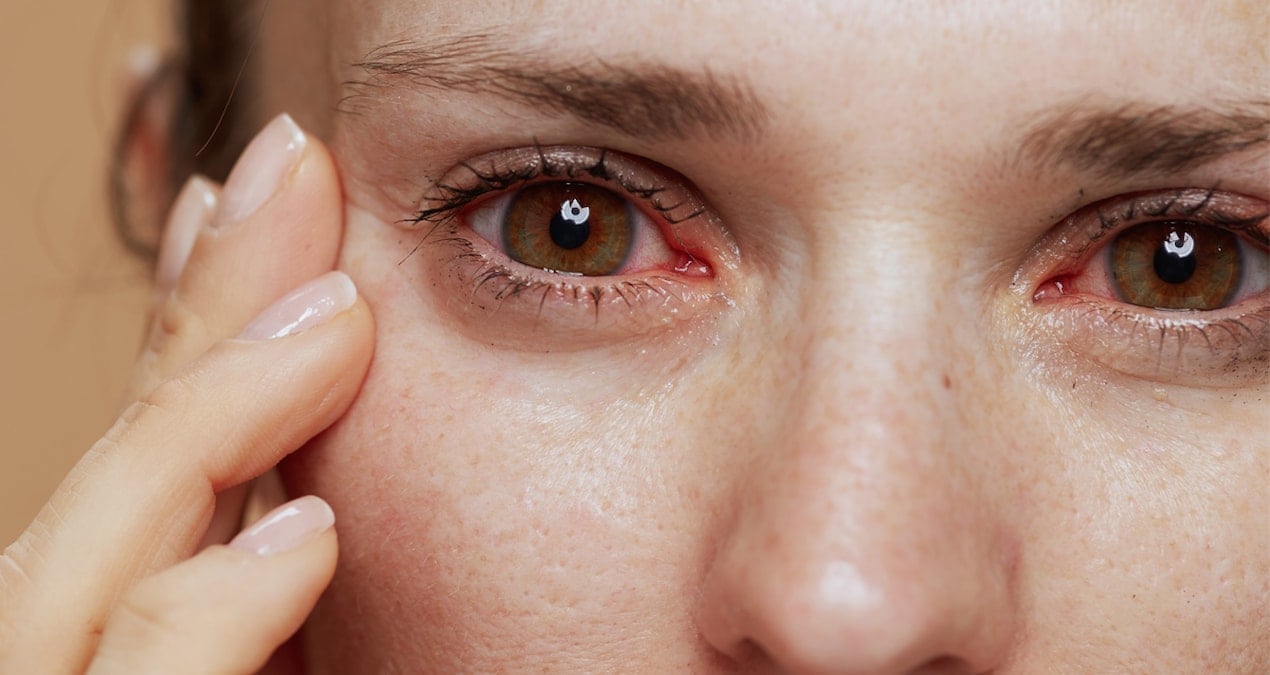
Waking up with contact lenses still in your eyes might seem like a harmless oversight after a long day, but eye health professionals worldwide warn that this common habit carries significant risks to vision. From corneal ulcers to potential vision loss, the dangers of sleeping in contact lenses are well-documented by ophthalmologists and optometrists. As contact lens use continues to grow globally, understanding these risks and adopting proper lens hygiene has become increasingly key for maintaining long-term eye health.
The practice of sleeping with contact lenses in—whether accidentally during a nap or intentionally overnight—creates an environment where bacteria and microorganisms can thrive on the lens surface. During sleep, the eyelids are closed, which naturally reduces oxygen flow to the cornea. When contact lenses are worn, this oxygen reduction is exacerbated, creating conditions ripe for infection. Medical experts emphasize that even short periods of sleep with lenses in can increase the risk of microbial keratitis, a serious corneal infection that may require aggressive treatment and, in severe cases, lead to permanent scarring or the need for corneal transplantation.
According to verified medical sources, one of the most significant dangers associated with sleeping in contact lenses is the heightened risk of corneal ulcers. These open sores on the cornea develop when bacteria, fungi, or amoebae penetrate the eye’s surface, often facilitated by microscopic tears or irritation caused by prolonged lens wear. Symptoms typically include eye pain, redness, blurred vision, light sensitivity, and excessive tearing. If left untreated, corneal ulcers can progress rapidly, potentially resulting in vision impairment or blindness. The American Academy of Ophthalmology identifies extended contact lens wear, particularly overnight use, as a major risk factor for this condition.
Another serious complication linked to sleeping in contact lenses is corneal neovascularization—the growth of new blood vessels into the normally avascular cornea. This occurs as the eye attempts to compensate for chronic oxygen deprivation during sleep. While the body’s intention is protective, the ingrowth of blood vessels can interfere with vision clarity and complicate future eye surgeries, including cataract or refractive procedures. Optometrists note that this condition is often reversible if lens wear habits are corrected early, but prolonged oxygen deprivation may lead to permanent changes in corneal structure.
Beyond infectious and structural risks, sleeping with contact lenses can cause immediate discomfort and irritation. Many wearers report experiencing dryness, grittiness, and a foreign body sensation upon waking, symptoms stemming from lens dehydration and reduced tear exchange during sleep. The lenses may also adhere more tightly to the eye surface, increasing mechanical stress on the cornea upon removal. Eye care professionals advise that any persistent discomfort after lens removal should prompt an immediate consultation with an eye doctor to rule out underlying damage or infection.
To minimize these risks, vision health organizations consistently recommend removing contact lenses before any form of sleep, including naps. Proper lens care involves washing hands thoroughly before handling lenses, using only approved disinfecting solutions, and following the replacement schedule prescribed by an eye care provider. For those who occasionally fall asleep with lenses in, experts suggest keeping lubricating eye drops approved for contact lens use nearby to alleviate dryness upon waking, though this does not eliminate the underlying risks associated with overnight wear.
Certain types of contact lenses are specifically designed and approved for extended or continuous wear, including overnight use, under strict medical supervision. These lenses are typically made from silicone hydrogel materials that allow significantly higher oxygen permeability compared to traditional hydrogel lenses. But, even with these advanced materials, sleeping in contact lenses is not without risk, and wearers must adhere strictly to wearing schedules and attend regular follow-up appointments with their eye care provider. The U.S. Food and Drug Administration (FDA) classifies extended wear lenses based on their oxygen transmissibility and recommends that patients consult with an eye doctor to determine if such lenses are appropriate for their individual eye health needs.
Regular eye examinations play a crucial role in preventing complications from contact lens wear. During these visits, eye care professionals can assess corneal health, detect early signs of infection or oxygen deprivation, and provide personalized guidance on lens hygiene and wear schedules. The American Optometric Association recommends that contact lens wearers undergo a comprehensive eye exam at least annually, or more frequently if advised by their provider based on individual risk factors or symptoms.
In addition to avoiding sleep with lenses in, other habits that eye doctors caution against include swimming or showering while wearing contact lenses, which can expose the eyes to waterborne microorganisms like Acanthamoeba; using tap water or saliva to rinse or store lenses, which introduces harmful bacteria; and topping off old solution in the lens case instead of discarding and replacing it entirely. Each of these practices increases the likelihood of microbial contamination and subsequent eye infection.
For individuals who struggle with remembering to remove their lenses before bed, establishing a consistent routine can help. Pairing lens removal with another nightly habit—such as brushing teeth or washing the face—can improve adherence. Setting phone alarms or placing visual reminders near the bedside may also assist those prone to forgetting. Travelers and individuals with irregular schedules are encouraged to carry a lens case and solution in their bags to ensure proper lens care is possible even when away from home.
The global prevalence of contact lens use underscores the importance of public education on safe wear practices. According to recent market analyses, over 140 million people worldwide wear contact lenses, with numbers rising due to advancements in lens comfort and cosmetic options. As usage increases, so does the potential for preventable eye infections and complications. Public health initiatives led by optometric and ophthalmological associations aim to raise awareness about proper lens hygiene through educational campaigns, social media outreach, and partnerships with schools and workplaces.
the convenience of contact lenses must be balanced with diligent care to protect long-term vision health. Eye care professionals stress that most complications associated with contact lens wear are preventable through proper hygiene and adherence to wearing guidelines. By making lens removal a non-negotiable part of the nightly routine—no matter how tired one may feel—wearers can significantly reduce their risk of infection, inflammation, and other vision-threatening conditions. As one ophthalmologist noted in a verified interview, “The few seconds it takes to remove your lenses before sleep are a small investment in preserving your eyesight for years to approach.”
For those seeking reliable information on contact lens safety, authoritative sources include the websites of the American Academy of Ophthalmology, the American Optometric Association, and the U.S. Food and Drug Administration’s medical devices division. These platforms offer up-to-date guidance on lens care, wear schedules, and warning signs that necessitate immediate medical attention. Staying informed and proactive remains the best defense against the hidden dangers of sleeping with contact lenses in.