
The Strait of Hormuz remains one of the most critical maritime chokepoints in the global economy, serving as the primary conduit for a significant percentage of the world’s seaborne oil and liquefied natural gas. Amidst ongoing geopolitical tensions in the Middle East, the presence of specialized naval assets in the region has become a focal point for international security observers. Recently, the French Navy has maintained a persistent readiness posture, with mine-hunting capabilities playing a central role in ensuring the safety of navigation in these vital waters.
The operational readiness of French tripartite mine hunters to intervene in the Strait of Hormuz underscores France’s commitment to the freedom of navigation and the protection of international trade routes. These vessels, designed for detecting and neutralizing underwater threats, serve as a critical deterrent against potential disruptions in an area where maritime security is frequently challenged. The strategic deployment of these assets is part of a broader, long-standing effort by European and international partners to monitor the maritime environment and mitigate risks to merchant shipping.
For global markets, the stability of the Strait of Hormuz is not merely a regional security concern but an economic imperative. As energy markets continue to navigate volatility, the assurance provided by naval patrols—including those led by French forces—remains a stabilizing factor for shipping companies and insurers. This article examines the strategic role of these mine-hunting vessels and what their presence signifies for the current maritime security landscape.
The Strategic Significance of Mine Warfare Assets
Tripartite mine hunters, a class of vessels developed through a collaborative project between France, Belgium, and the Netherlands, are uniquely suited for the shallow and complex hydrographic conditions of the Persian Gulf. According to the French Ministry of the Armed Forces, these ships are equipped with high-resolution sonar systems and remotely operated vehicles (ROVs) capable of identifying and destroying naval mines that could otherwise pose an existential threat to commercial tankers.
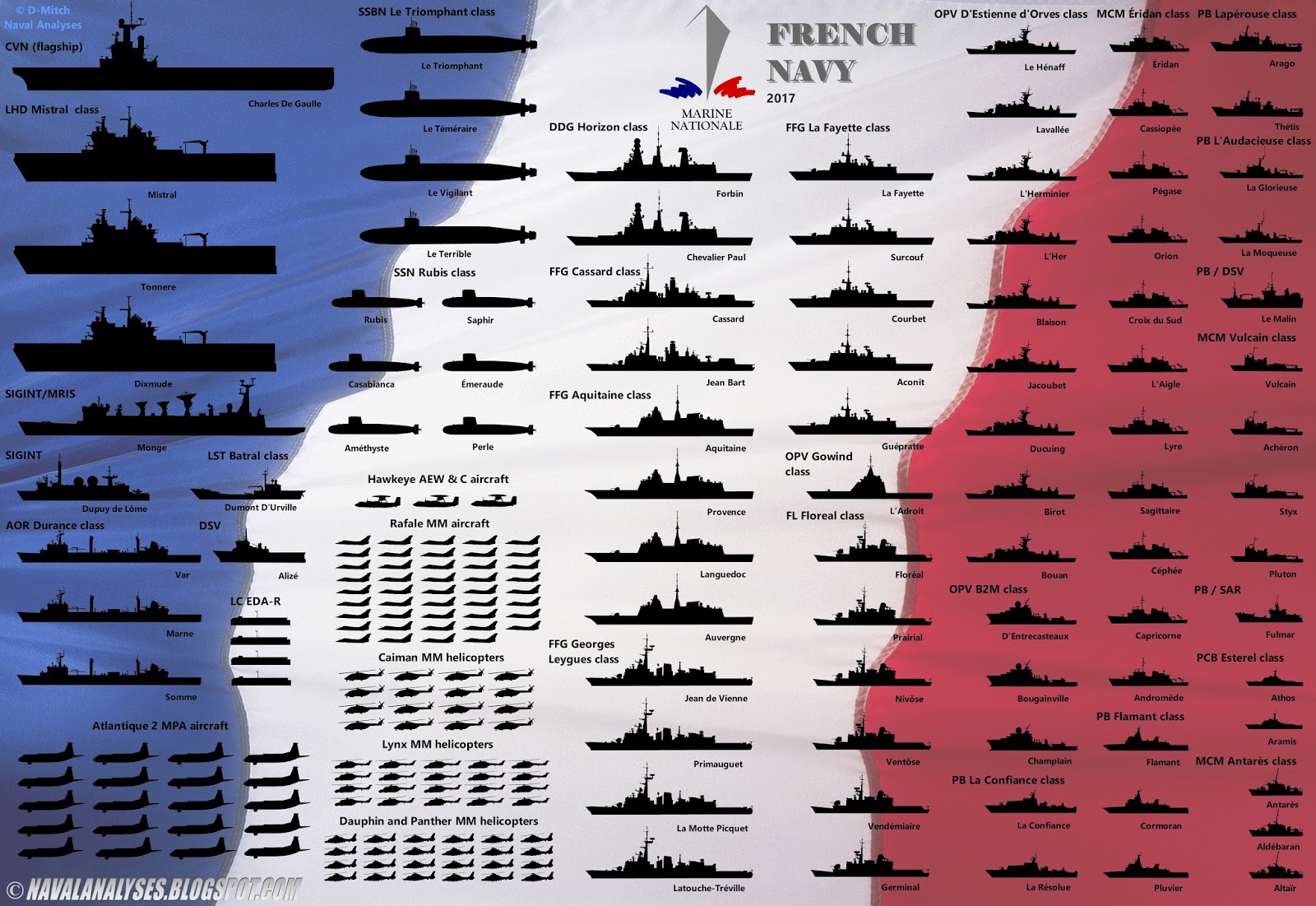
The operational doctrine of these vessels focuses on “mine countermeasures” (MCM), a defensive necessity in regions where the deployment of influence mines—which react to acoustic, magnetic, or pressure signatures—is a recognized threat. By maintaining a rotation of these specialized ships in the region, the French Navy, often in coordination with the European-led European Maritime Awareness in the Strait of Hormuz (EMASOH) initiative, provides an essential layer of security that complements larger carrier strike groups and regional coastal defense forces.
The importance of these assets was highlighted when the French Navy integrated its mine-hunting capabilities into broader coalition efforts. EMASOH, which operates the Agenor mission, aims to foster a de-escalation posture while providing reliable information and monitoring to ensure that commercial vessels can transit the area without interference. This mission, supported by several European nations, serves as a diplomatic and security bridge, emphasizing a “de-escalatory” approach rather than a purely combative one.
Navigating Geopolitical Volatility
The Strait of Hormuz, which connects the Persian Gulf to the Gulf of Oman, is a narrow waterway where the transit of roughly 21 million barrels of petroleum liquids per day—approximately 21% of global petroleum consumption—makes it a focal point for international policy. Any disruption, whether through direct military action or the threat of mining, carries the potential to trigger rapid spikes in global oil prices and supply chain bottlenecks.
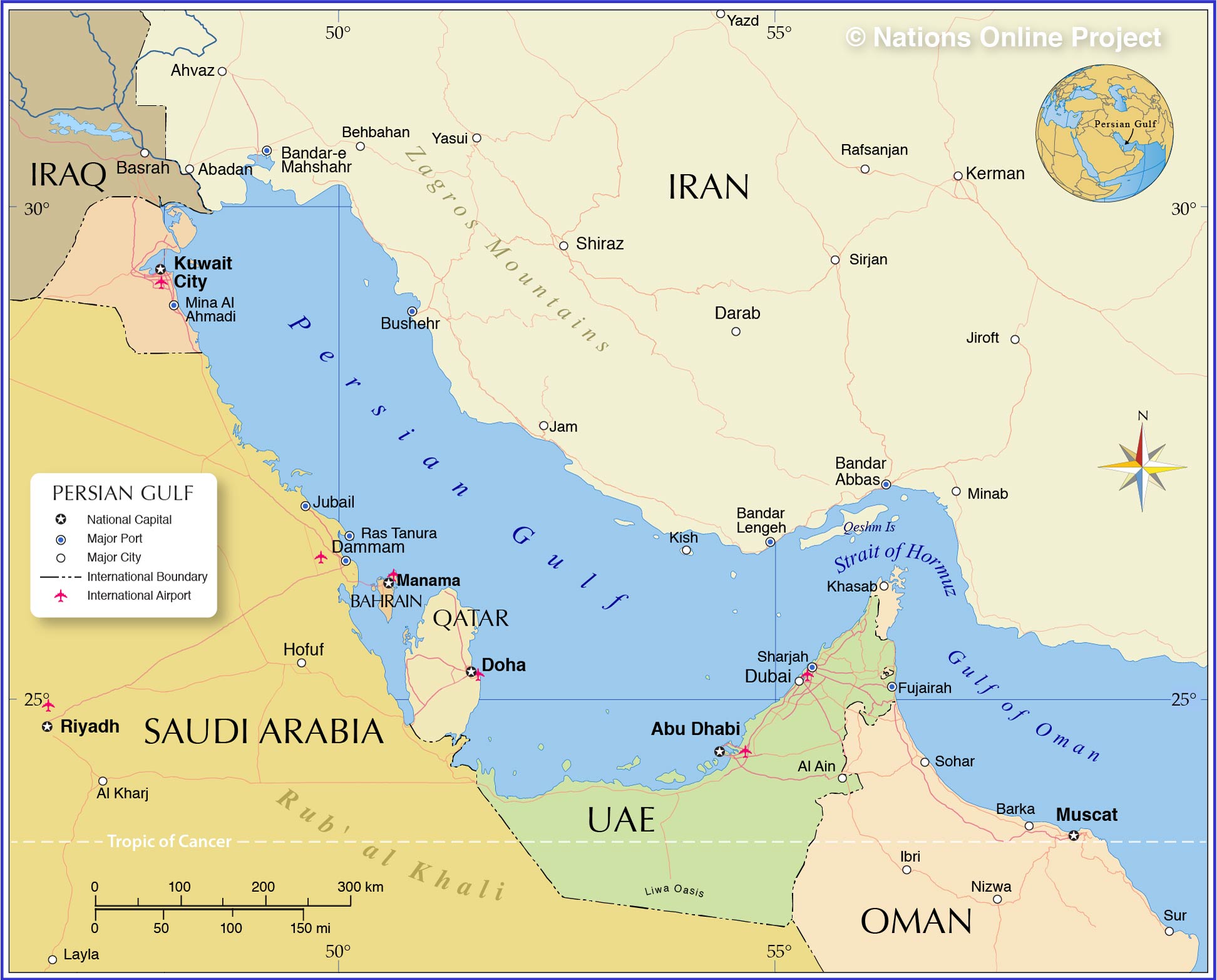
French naval strategy in this theater is characterized by agility and transparency. By maintaining “ready-to-act” status for its mine hunters, Paris signals to both regional and international stakeholders that the waterway remains open for business. This posture is not intended to escalate tensions but rather to provide a “security umbrella” that encourages merchant vessels to continue their operations despite the lingering threat of regional instability.
The use of tripartite mine hunters is particularly relevant given the technological challenges of the region. The waters of the Gulf are often warm, saline, and filled with biological clutter, which can interfere with standard sonar. French vessels, however, utilize advanced synthetic aperture sonar (SAS) that allows for the rapid classification of underwater objects. This technical edge is a cornerstone of the French contribution to the International Maritime Security Construct (IMSC), a coalition focused on maritime stability.
What So for Global Trade and Logistics
For stakeholders in the maritime industry, the presence of French naval assets provides a degree of predictability in an unpredictable environment. Logistics managers and risk analysts monitoring the Middle East often look to the frequency of naval patrols as a key indicator of the “risk premium” associated with transiting the Strait. When European and international navies are present, it generally correlates with more stable insurance rates and fewer diversions of commercial traffic.
However, the reliance on such specialized vessels also highlights the vulnerability of global supply chains to asymmetric threats. Modern mine warfare is no longer limited to traditional contact mines; it now includes sophisticated, programmable underwater drones and autonomous vehicles. The French Navy’s continued investment in the next generation of mine countermeasure vessels, including the development of Modular Mine Countermeasures (MMCM) systems, reflects a recognition that the nature of the threat is evolving alongside the technology used to counter it.
Key Takeaways for Maritime Stakeholders
- Regional Stability: The French Navy continues its commitment to the EMASOH/Agenor mission to ensure de-escalation in the Strait of Hormuz.
- Technical Readiness: Tripartite mine hunters remain the primary tool for mitigating sub-surface threats in the Persian Gulf’s complex hydrographic environment.
- Economic Impact: Persistent naval presence serves as a critical stabilizer for the transit of global energy supplies, helping to maintain market confidence.
- Adaptive Strategy: Ongoing investments in autonomous systems indicate a shift toward more resilient and flexible mine-hunting capabilities for the future.
Future Outlook and Security Cooperation
As we look toward the remainder of the year, the security architecture in the Strait of Hormuz will likely remain a high-priority item for the European Union and its international partners. The French government has consistently maintained that its military presence is aimed at supporting a “rules-based order” at sea. This involves not only the deployment of hardware but also the continuous exchange of intelligence and the coordination of maritime patrols with regional partners.

The next major checkpoint for these operations will be the scheduled review of the EMASOH mission mandate and the ongoing coordination meetings held between the participating nations. For those interested in the latest maritime advisories and security updates, the United Kingdom Maritime Trade Operations (UKMTO) remains the primary source for real-time reporting on incidents in the region. Maintaining awareness of these official channels is essential for any firm with interests in the Middle Eastern maritime sector.
The readiness of French mine hunters is a reminder that in our interconnected global economy, the safety of a narrow strait thousands of miles away can dictate the price of energy and the flow of goods in every corner of the world. As these vessels continue their watch, the global community remains reliant on the precision and vigilance of those tasked with keeping the sea lanes open.
What are your thoughts on the role of naval diplomacy in protecting global supply chains? Join the conversation in the comments section below, or share this report with your professional network to keep the discussion going.