A Kenyan court has issued a temporary injunction halting the construction of a proposed quarantine facility intended for American citizens potentially exposed to the Ebola virus. The legal intervention follows significant public outcry and parliamentary scrutiny regarding the lack of transparency surrounding the project, which was reportedly being established in the East African nation to manage health risks for U.S. Personnel.
The High Court of Kenya’s decision to suspend plans for the U.S. Ebola quarantine unit underscores a complex intersection of international health cooperation and national sovereignty. For observers of global affairs, the situation highlights the delicate balance required when managing cross-border medical contingencies, particularly in regions sensitive to the historical and social implications of infectious disease outbreaks.
Legal Challenges and Public Concern
The controversy emerged after reports surfaced concerning a 50-bed facility designed to isolate U.S. Citizens who might have been exposed to the Ebola virus. While international health protocols frequently involve the establishment of temporary medical infrastructure during epidemics, the Kenyan public and various local stakeholders raised concerns about the consultation process. According to reports confirmed by judicial filings, the court order mandates a stay on construction until the government can provide further clarity on the agreement’s terms and safety standards.
The legal move was prompted by petitioners who argued that the facility posed potential public health risks to the local population and that the government had failed to adhere to constitutional requirements for public participation in matters of national security and health policy. The court’s action serves as a reminder that even in the context of international emergency preparedness, local governance and the rule of law remain the primary arbiters of how such facilities are integrated into the domestic landscape.
Geopolitics of Global Health
From my perspective as an editor covering international relations, this case is a quintessential example of how health policy can quickly transform into a matter of geopolitical sensitivity. When major powers establish medical infrastructure within the borders of partner nations, the perception of “sovereignty over health” becomes a critical issue. The Ebola outbreak of 2014-2016, which necessitated rapid international responses, often saw this tension play out in various forms across the African continent.
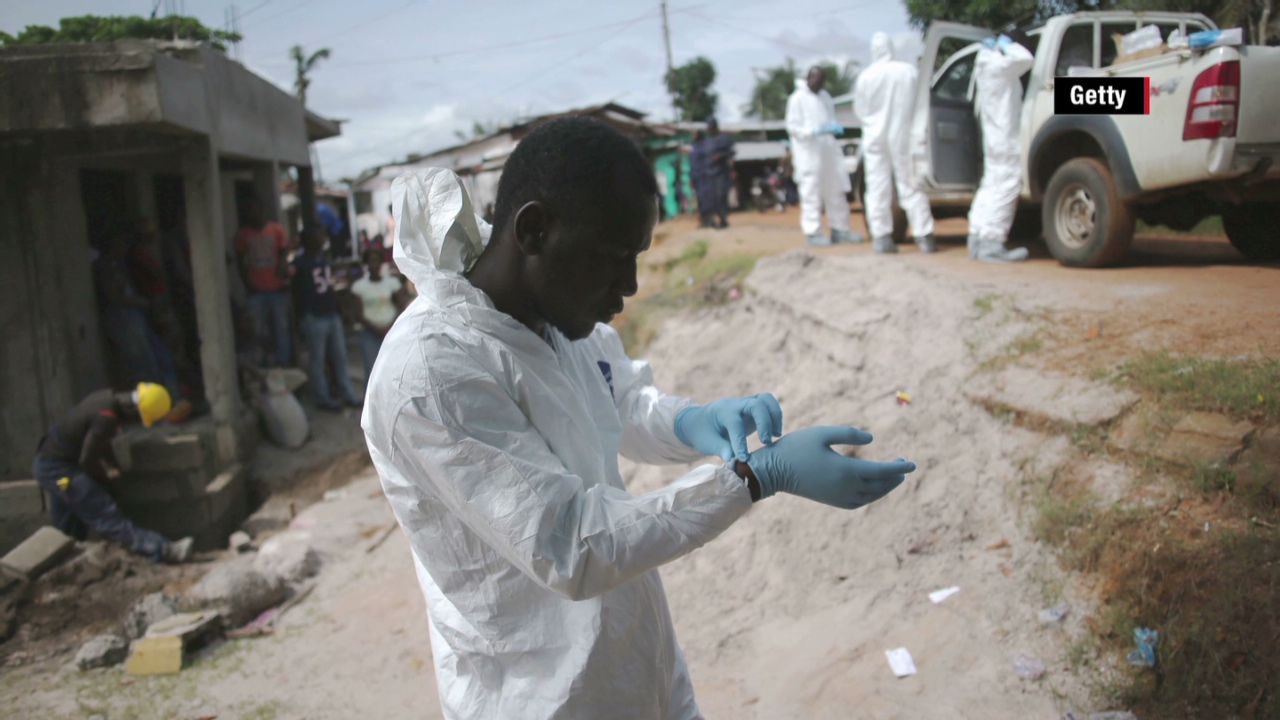
The U.S. Government has historically maintained that such facilities are essential for the safety of its diplomatic and aid-related staff working in volatile regions. However, the Kenyan judiciary’s decision reflects an increasing global trend where host nations are exerting more rigorous oversight over foreign-led projects. This is not merely a bureaucratic hurdle; This proves a assertion of national agency in the face of external health mandates.
Key Factors in the Suspension
- Lack of Public Consultation: Petitioners argued that the local community was not adequately informed about the nature of the facility.
- Sovereignty Concerns: Questions were raised regarding whether the facility would operate under Kenyan law or if it would be granted extraterritorial status.
- Public Health Safety: Concerns regarding the containment protocols for the Ebola virus, which has an extremely high mortality rate, led to demands for independent safety reviews.
What Happens Next?
The suspension remains in effect pending further hearings where the government will be required to present documentation regarding the bilateral agreements surrounding the facility. The court has signaled that the transparency of the agreement will be a focal point of the upcoming proceedings. For now, the site remains under a legal freeze, preventing further development until the judiciary is satisfied that all national regulations are being met.

This situation serves as a critical case study for international health organizations and diplomatic corps. It highlights that in an increasingly interconnected world, the “where” and “how” of global health infrastructure are just as important as the medical necessity itself. As the legal process continues in Nairobi, the international community will be watching closely to see how the court balances the immediate needs of global health security with the fundamental rights of a host nation to oversee its own territory.
We will continue to monitor the court docket for the next scheduled hearing. If you have thoughts on the balance between national sovereignty and international health cooperation, please join the conversation below. Your perspective on how global health policy should be managed in a post-pandemic world is valued here at World Today Journal.
Keep reading