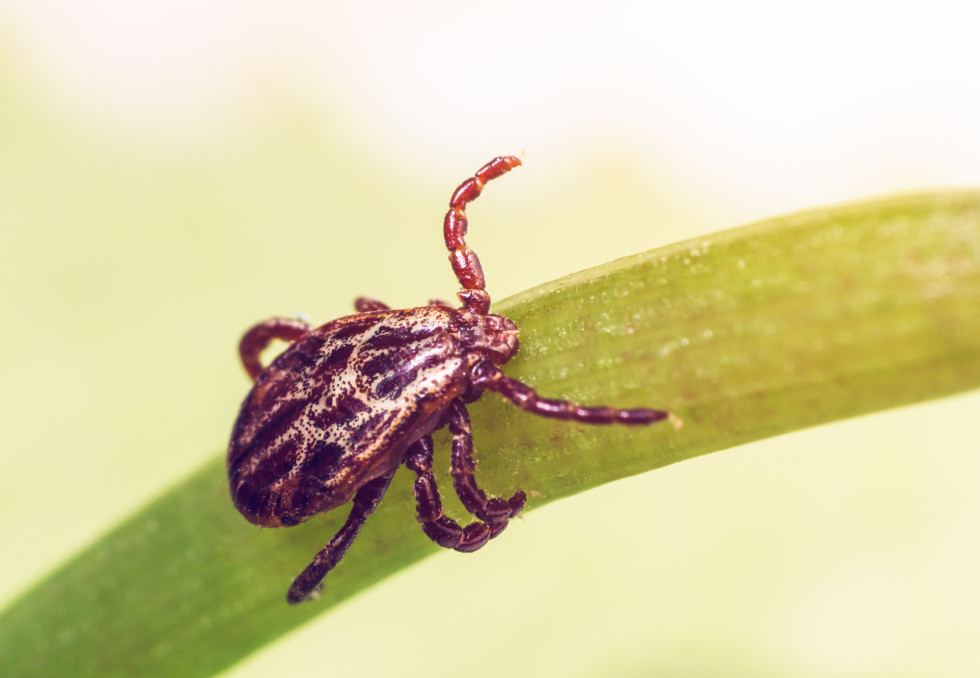
The geographic range and activity levels of ticks in France have expanded significantly, increasing the risk of human exposure to vector-borne diseases such as Lyme borreliosis. According to data from the Santé Publique France, the national public health agency, tick populations are now present in diverse environments across nearly all French departments, moving beyond traditional forest habitats into urban parks and private gardens.
This expansion is largely attributed to shifts in climate patterns and changes in land use, which have created more favorable conditions for the survival and proliferation of Ixodes ricinus, the most common tick species in Europe. As a physician and researcher, I have observed that this trend requires a renewed focus on preventive measures and public health surveillance, particularly as the duration of the transmission season appears to be lengthening in several regions.
Environmental and Climatic Drivers
The proliferation of ticks in France is not a localized phenomenon but rather a result of broad ecological shifts. Research published by the French Agency for Food, Environmental and Occupational Health and Safety (ANSES) indicates that milder winters and longer, humid autumns allow ticks to remain active for longer periods throughout the year. These conditions support the life cycle of the tick, which requires high humidity levels to survive and successfully transition between its larval, nymphal, and adult stages.
Furthermore, changes in land use—specifically the reforestation of former agricultural lands and the expansion of peri-urban green spaces—have increased the proximity between humans, domestic animals, and the wildlife hosts that ticks rely on, such as cervids and rodents. This increased “human-wildlife interface” is a primary driver in the rising number of reported tick bites. According to the Ministry for the Ecological Transition, managing these green spaces is now a key component of integrated vector management strategies designed to reduce tick density near human settlements.
Understanding the Health Risks
The primary health concern associated with tick expansion is the transmission of pathogens, most notably the bacteria Borrelia burgdorferi, the causative agent of Lyme disease. Clinical surveillance conducted by Santé Publique France monitors the incidence of this condition, which remains the most frequent tick-borne disease in the country. While Lyme disease is the most recognized risk, ticks can also carry other pathogens, including tick-borne encephalitis (TBE) virus and Anaplasma phagocytophilum.
Clinical presentation of Lyme disease often begins with erythema migrans, a characteristic expanding skin rash that appears in the days or weeks following a bite. Early diagnosis and treatment with appropriate antibiotics are essential to prevent late-stage complications, which can affect the nervous system, joints, and heart. Because symptoms can be subtle or delayed, public health officials emphasize the importance of tick checks following any outdoor activity, even in areas previously considered low-risk.
Practical Preventive Measures
Effective prevention centers on reducing the likelihood of a tick attachment and ensuring prompt removal if a bite occurs. The Santé Publique France recommendations for the public are clear and consistent: when walking in wooded or tall-grass areas, individuals should wear long, light-colored clothing that covers the skin. Light colors make it easier to spot ticks before they reach the skin.
Using EPA-registered repellents containing DEET or Icaridin can provide an additional layer of protection. However, the most critical step remains a thorough physical inspection of the body—including skin folds, the scalp, and behind the ears—immediately after returning from an outdoor excursion. If a tick is found, it should be removed as soon as possible using a fine-tipped tick removal tool. The ANSES advises against using chemical substances like alcohol or ether, as these can induce the tick to regurgitate, potentially increasing the risk of pathogen transmission.
The Path Ahead for Public Health
Surveillance systems in France continue to evolve to meet the challenges posed by the shifting distribution of tick populations. The CiTIQUE program, a collaborative research initiative, plays a vital role by collecting data from citizen scientists to map tick activity in real-time. This bottom-up approach provides researchers with granular data that official monitoring stations might otherwise miss, allowing for more localized and timely public health alerts.

Looking ahead, the next major update from national health authorities regarding vector-borne disease trends is expected in the annual surveillance reports published by Santé Publique France. These reports are essential for adjusting regional health policies and ensuring that medical practitioners are equipped with the latest diagnostic guidelines. As we continue to navigate the impacts of a changing climate on public health, maintaining awareness and prioritizing preventive behaviors remain our most effective tools. We encourage readers to share their experiences or questions in the comments section below to foster a broader community dialogue on this critical health topic.
Keep reading