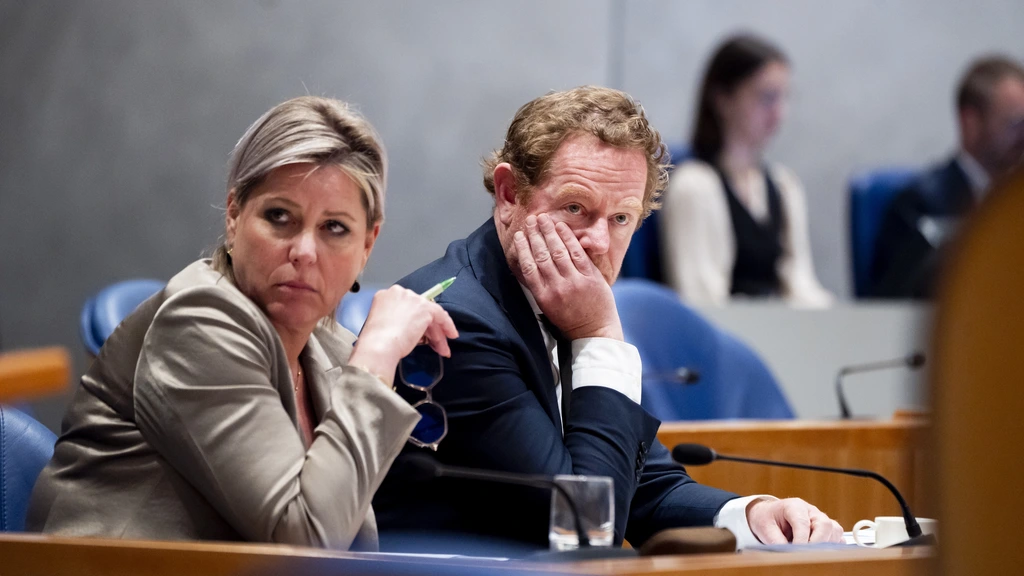
Dutch Education Minister Rianne Letschert has approach under scrutiny from members of parliament regarding her handling of pro-Palestinian protests at Maastricht University, where she served as president until February 2026. The criticism centers on allegations that university leadership did not take sufficient action to address concerns raised by Jewish students and staff during demonstrations that escalated in late 2023 and early 2024, including reports of chants calling for violence against Zionists.
Letschert, who assumed the role of Minister for Education, Culture and Science in the Jetten cabinet on 23 February 2026, acknowledged during a parliamentary hearing that she has undergone “a steep learning curve” since the incidents. She stated that while she did not directly manage the university’s response at the time of the protests in her capacity as a government minister, she has since engaged in dialogue with Jewish members of the university community and participated in a government-established task force reviewing antisemitism in higher education.
The controversy emerged following demonstrations at Maastricht University related to the Israel-Hamas conflict, during which property damage occurred and slogans were reportedly chanted calling for “all Zionists to be killed.” These incidents prompted scrutiny from political parties including the PVV, JA21, BBB, and independent representative Laura Bromet, who questioned whether the university’s response adequately protected Jewish students and staff from feeling unsafe on campus.
In response to the growing concern, a task force established by the previous Schoof coalition government concluded that universities and colleges across the Netherlands must “more clearly, more frequently and publicly” commit to protecting Jewish students and staff. The group’s findings emphasized the need for consistent and visible institutional stances against antisemitism, particularly in the context of political protests related to international conflicts.
Letschert confirmed that she supports implementing all recommendations from the task force report, stating that institutions have a duty to report suspected criminal acts to authorities regardless of the potential consequences for individuals involved. She clarified that while she refrained from commenting on specific procedural decisions made during her tenure at Maastricht University due to her current ministerial role, she upholds the principle that universities must act when there is suspicion of punishable offenses.
The minister’s participation in the task force and her public commitment to its recommendations mark a significant step in the government’s broader effort to address rising concerns about antisemitism in Dutch higher education. Her acknowledgment of personal growth in handling the situation reflects an evolving institutional approach to balancing free expression with campus safety during periods of heightened political tension.
As of April 2026, Dutch universities continue to review and implement security and inclusion measures in line with national guidelines, with ongoing monitoring by parliamentary committees. The situation remains a focal point in national debates about academic freedom, religious tolerance, and the responsibilities of educational institutions during times of international crisis.
For updates on official government responses to antisemitism in education, refer to the Netherlands Ministry of Education, Culture and Science’s public announcements and parliamentary proceedings.
We welcome your thoughts on this developing story. Share your perspective in the comments below or join the conversation on social media using #EducationNetherlands.
Worth a look