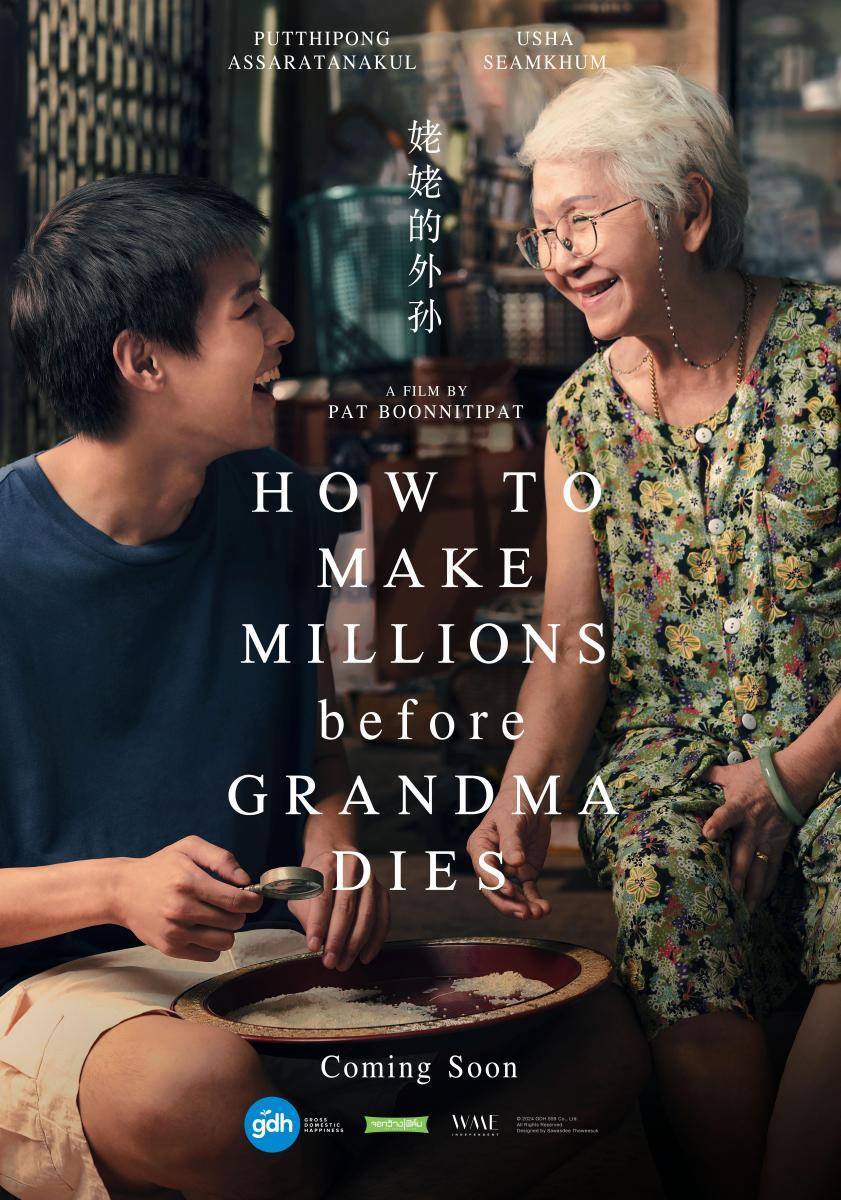
The documentary film “Letters to Grandma” (《给阿嬷的情书》) has garnered significant attention within the Chinese diaspora in Melbourne, Australia, emerging as a focal point for discussions on cultural identity, family legacy, and the immigrant experience. The film, which explores the emotional resonance of familial bonds across generations, has been noted for its ability to bridge the gap between traditional heritage and the contemporary lives of overseas Chinese families.
The production serves as a narrative bridge for many who have relocated to Australia, offering a visual and emotional medium to process the distance from their ancestral homes. The film’s reception in Melbourne reflects a broader trend of increased interest in localized storytelling that addresses the specific challenges and sentiments of the Chinese-Australian community. Such works often rely on grassroots support to secure screenings and maintain momentum in competitive international markets.
Cultural Significance for the Diaspora
The core appeal of “Letters to Grandma” lies in its exploration of universal themes—specifically, the reverence for elders and the preservation of history through personal correspondence. Within the Melbourne Chinese community, the documentary has been cited as a “cultural touchstone” that encourages younger generations to engage with the stories of their ancestors.
The film’s focus on the “Grandma” figure—a symbolic anchor for many Chinese families—resonates with the concept of filial piety, a core value that remains prominent despite the geographical displacement of the diaspora. By highlighting these personal narratives, the film provides a platform for viewers to share their own family histories, effectively turning individual screenings into community-building events.
International Distribution and Scheduling Challenges
While the documentary has seen success in localized screenings in Australia, its broader international rollout has faced logistical adjustments. Reports indicate that plans for a North American release have undergone revisions, with new scheduling yet to be determined. The film has been extended, with screenings continuing until July 31.
For audiences seeking the most up-to-date information on upcoming screenings, official social media channels and authorized regional distributors remain the most reliable sources for scheduling updates.
What the Film Reveals About Modern Identity
Beyond its emotional narrative, “Letters to Grandma” serves as a case study for the evolving nature of Chinese identity in the 21st century. The film highlights the tension between the desire to assimilate into Australian society and the urge to preserve the cultural nuances of one’s upbringing.
The film’s success in Melbourne suggests that there is a robust appetite for content that moves beyond stereotypes and delves into the complexities of “home.” By documenting the lived experiences of those who have moved between cultures, the filmmakers have tapped into a sentiment that is both deeply personal and broadly applicable to many in the Chinese-Australian community.
Future Updates and Engagement
As the film continues its circuit, the production team is expected to provide further details regarding extended screenings and digital access options. The discourse surrounding the film remains active on community forums, where many viewers continue to discuss the themes of memory and legacy.
If you have attended a screening or would like to share your perspective on how the film reflects the experience of the Chinese diaspora in Melbourne, please feel free to contribute to the ongoing discussion in the comments section below. For official updates regarding future showings, please refer to the primary promotional channels associated with the film’s distribution partners.
- Refreshing Watermelon Cucumber Salad with Feta and Mint (10-Minute Recipe)
- Missy Elliott Honors Aaliyah’s ‘One In a Million’ on 30th Anniversary: ‘It Was Art & a Masterpiece
- Chinese Giant Acquires MediaMarkt in Historic Move After Decade (newsdirectory3.com)
- Why Only 10% of Movie Remakes Beat the Original (daybreakwire.com)